Step Inside the Palace of Eternal Splendor
The Hue Museum of Royal Antiquities (Bảo tàng Cổ vật Cung đình Huế) opens a magnificent window into the lavish life and cultural zenith of Vietnam’s last ruling family, the Nguyễn Dynasty (1802–1945). You will find this indispensable museum centrally located within the ancient capital, offering a compelling and richly detailed narrative of imperial Vietnam. Consequently, it stands as one of the country’s most significant cultural institutions.
A Historical Setting: The Long An Palace
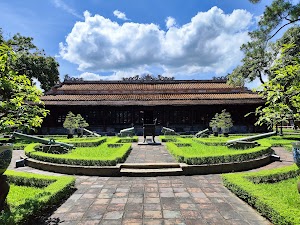
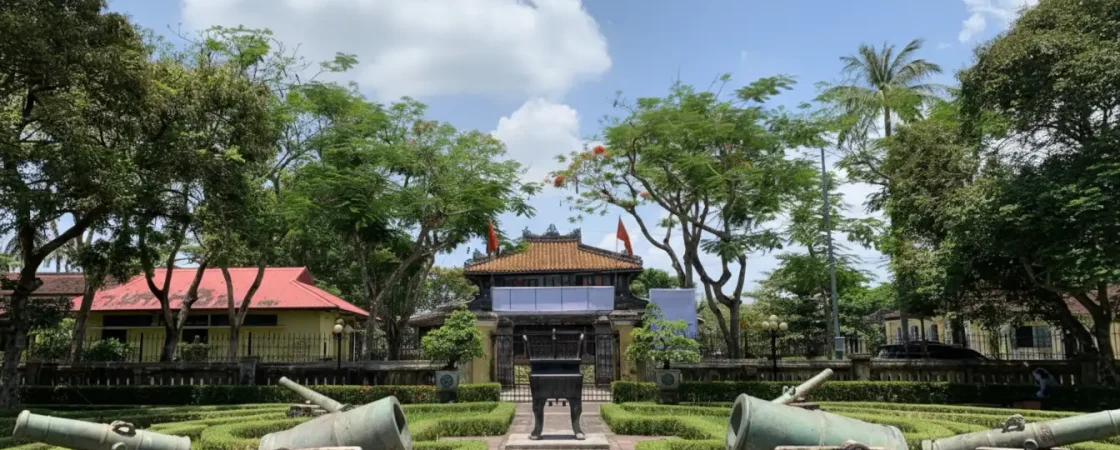
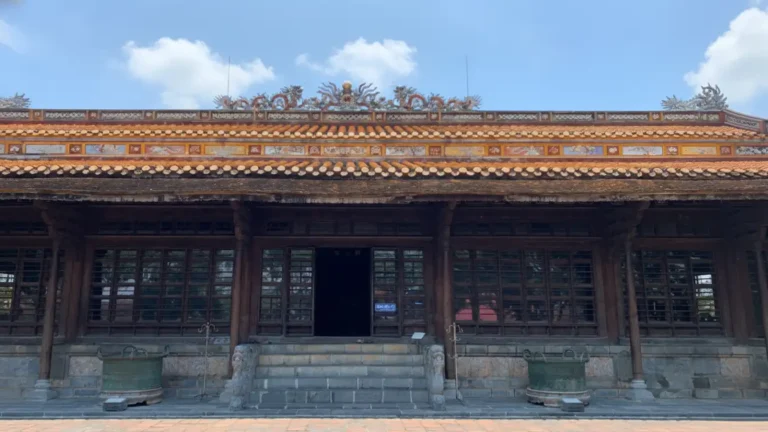
The museum does not just house historical items; it sits inside a historical treasure itself. Emperor Thiệu Trị originally ordered the construction of the beautiful Long An Palace in 1845. It served first as a study and later as a reading hall for the Emperor. Architects designed the palace in the highly refined “trùng thiềm điệp ốc” (double eaves, overlapping roof) style, showcasing the exquisite woodworking, intricate carvings, and vibrant painting techniques of the Nguyễn court. The building’s design already provides an immersive experience before you even view the first artifact.
The Imperial Collection: Gold, Jade, and Ceramics
The museum actively collects, preserves, and displays over 11,000 valuable artifacts, providing a complete picture of the dynasty’s life. Visitors explore the rich history through several key categories of royal art and ceremonial objects.
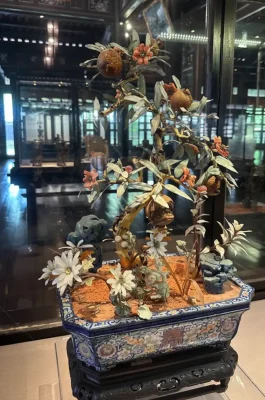
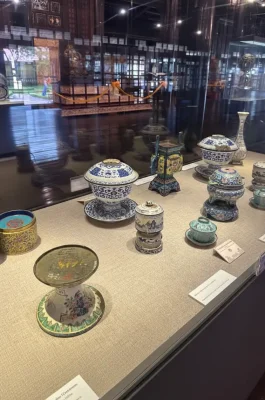
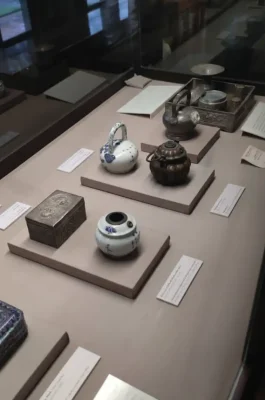
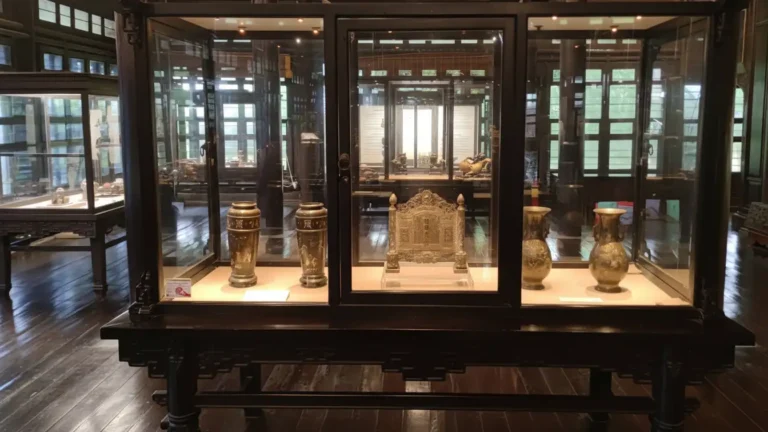
Ceremonial and Decorative Arts: The largest section focuses on exquisite Nguyễn Dynasty ceramics and porcelain. These pieces exhibit the advanced artistry and the unique blend of Vietnamese, Chinese, and European influences that characterized the period. Furthermore, you will see intricately crafted gold and jade objects, which served the emperors and high-ranking officials.
Imperial Regalia: The most captivating displays include the official imperial garments and personal items. Look closely at the Dragon Robes worn by the emperors, which demonstrate incredible embroidery skills and the strict symbolism associated with royal status. Moreover, the museum exhibits precious crowns, swords, and ceremonial seals.
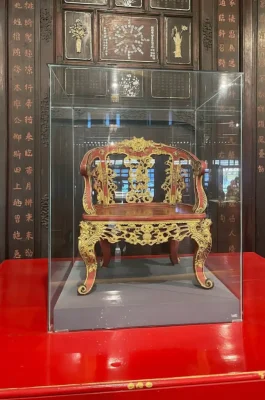
The Dragon Thrones: The museum showcases a stunning replica of the imperial throne—or sometimes the original—which instantly conveys the absolute power of the emperor. The impressive scale and craftsmanship make this one of the most popular photo opportunities, as it symbolizes the absolute center of the Nguyễn universe.
A Bridge to the Past
Visiting the museum is not simply a stroll through dusty exhibits. It provides a profound educational experience. The extensive collection teaches you about the courtly rituals, the artistic tastes, and the political administration that governed Vietnam for over a century. You will appreciate the resilience of Vietnamese heritage, because the country meticulously preserved these items despite war and historical upheaval. Therefore, the museum stands as a proud reminder of a glorious and complex imperial past.
Practical Visitor Guidance
Locating the museum is easy as it sits conveniently near the Imperial Citadel. It typically opens daily, often with a lunch break, so visitors should check current hours before planning a visit. A small entrance fee applies, and visitors purchase tickets at the main gate. Since the site is highly revered, visitors must maintain respectful behavior and wear modest clothing while exploring the grounds. Photography is generally permitted, but flash photography is often prohibited inside the palace to protect the delicate artifacts.