
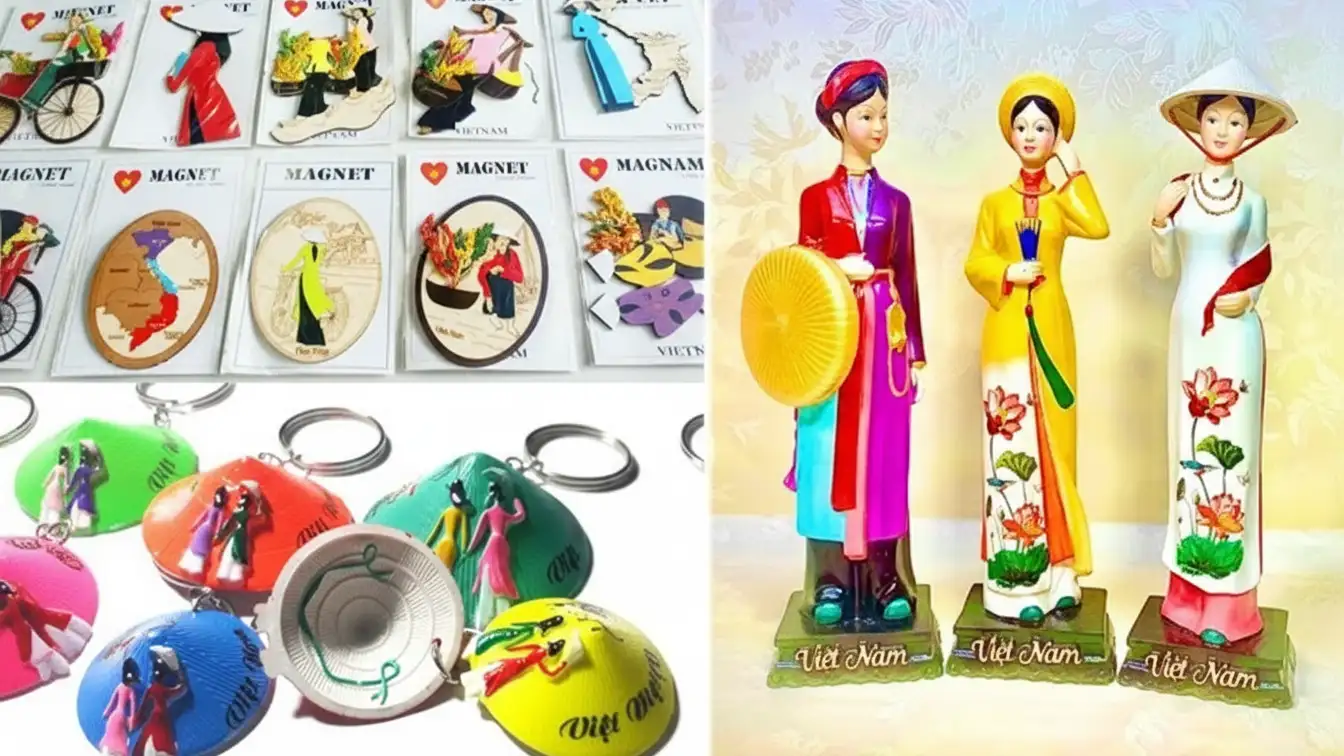
Shopping in Vietnam is not just about transactions; it is a lively, immersive cultural experience. Vietnamese markets are colorful, chaotic hubs where you can find everything from fresh produce to custom-made clothing. However, these environments require a specific set of skills, especially when it comes to pricing.
If you are intimidated by the idea of haggling or unsure where to find the best local treasures, this guide will equip you with the confidence and knowledge needed to navigate Vietnam’s bustling markets and come away with excellent souvenirs.
1. Mastering the Marketplace: Key Vietnamese Markets
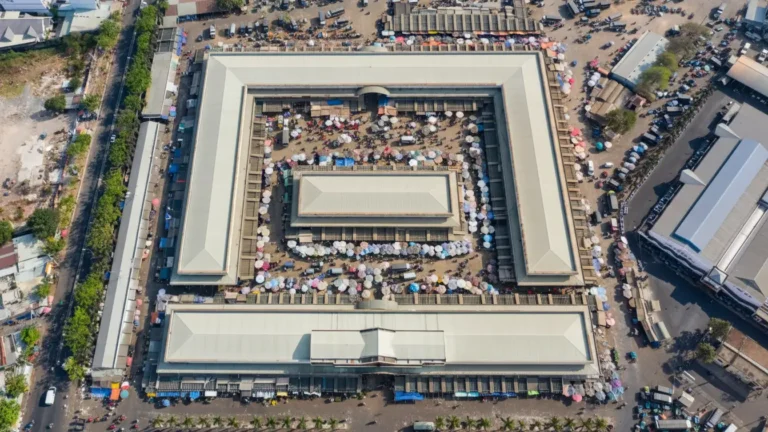
Vietnam’s major tourist cities feature iconic markets, each with its own character and specialties.
| Market Name | Location | Key Characteristics | Best Items to Buy |
|---|---|---|---|
| Ben Thanh Market | Ho Chi Minh City | Iconic landmark, very tourist-focused, covered and well-organized. High starting prices. | Souvenirs, coffee, T-shirts, dry goods. |
| Han Market | Da Nang | Two-story market, famous for custom tailoring (downstairs) and local snacks/seafood (upstairs). | Tailoring services, Vietnamese snacks, dried seafood. |
| Hoi An Night Market | Hoi An | Mostly outdoor, famous for colorful silk lanterns and affordable street food. | Silk lanterns, clothing, leather goods. |
| Dong Xuan Market | Hanoi | Large, bustling local wholesale market; less tourist-oriented, requires strong bargaining skills. | Textiles, electronics, local snacks, clothing. |
2. The Golden Rule of Shopping: The Art of the Deal
In most tourist markets in Vietnam, the displayed price is merely a suggestion. Bargaining is not optional; it is expected. Sellers start high, assuming you will negotiate.
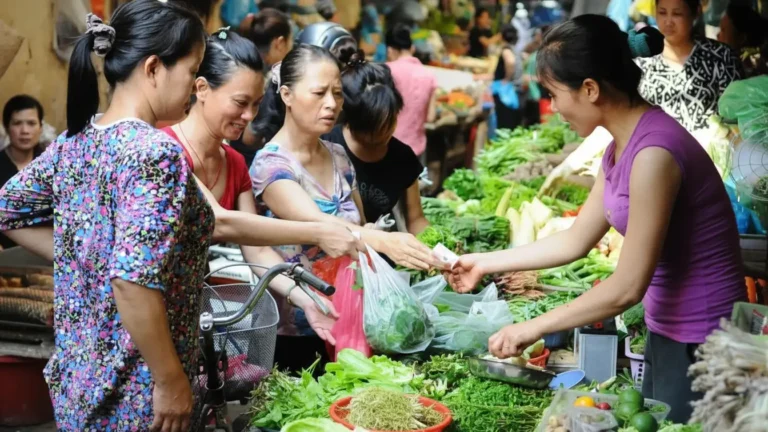
Bargaining Strategies That Work
Start Low, But Not Offensive: A good starting point is usually 30% to 50% of the vendor’s initial asking price. For example, if they ask VND 300,000, counter with VND 100,000 to VND 150,000.
Smile and Be Polite: Keep the interaction light and friendly. Negotiation is a game, not a confrontation. A firm but cheerful “No, thank you, too high!” with a smile is far more effective than a scowl.
Know Your Limit (and Be Ready to Walk Away): Decide beforehand what you are willing to pay. If the vendor won’t meet your reasonable price (usually around 60–70% of their starting price), be prepared to walk away. Often, they will call you back with a better price.
Use Small Bills: Paying with a large denomination note (VND 500,000) for a small purchase is inconvenient for both parties. Always have smaller bills ready for transactions.
Shop Around: Never buy the first item you see. Check similar stalls to gauge the average price before engaging in serious negotiation.
Pro Tip: If shopping in a non-tourist market (like a local wet market), bargaining is less aggressive. However, in heavily touristed areas like Ben Thanh or Han Market, assume you must negotiate.
3. Recommended Vietnamese Souvenirs to Bring Home
Vietnam offers a beautiful range of high-quality, authentic souvenirs that reflect its culture and craftsmanship.
A. Coffee and Tea Culture
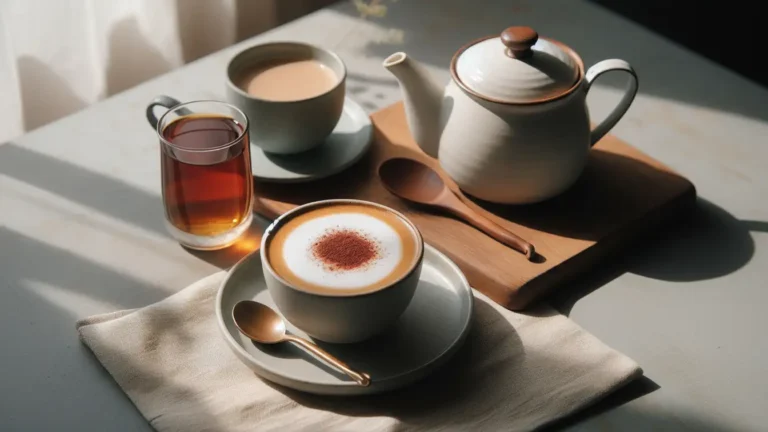
Vietnamese Coffee Beans (Cà Phê): Vietnam is famous for its robust Robusta beans. Look for brands like Trung Nguyen or local specialty roasters. Ensure the beans are fresh, often sold in brightly colored vacuum-sealed bags.
Weasel Coffee (Cà Phê Chồn): This Kopi Luwak-style coffee is a sought-after luxury item, but ensure you buy from reputable, ethical suppliers.
Artichoke Tea (Trà Atisô): Popular in the cooler mountain regions (Dalat), this tea is known for its mild flavor and health benefits.
B. Traditional Crafts and Textiles
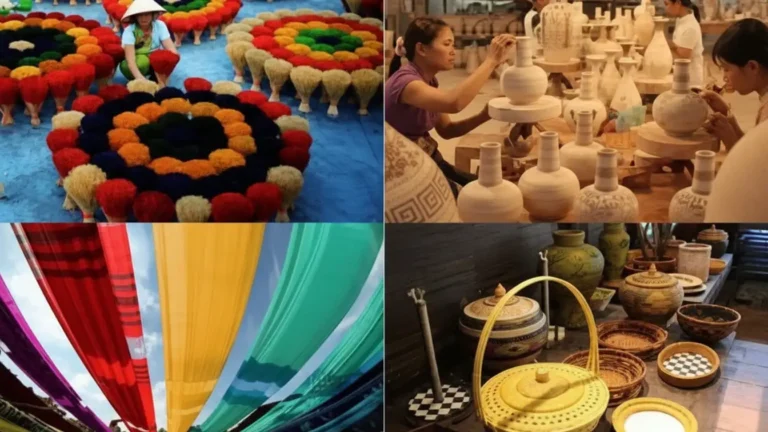
Nón Lá: Chiếc nón lá mang tính biểu tượng của Việt Nam. Chúng có giá cực kỳ rẻ (chỉ vài đô la) và rất lý tưởng để che nắng và chụp ảnh.
Vải lụa và quần áo may đo: Hội An nổi tiếng với dịch vụ may đo nhanh chóng và giá cả phải chăng. Nếu mua vải (đặc biệt là lụa), hãy kiểm tra chất lượng bằng cách sờ và soi dưới ánh sáng.
Đồ sơn mài: Những bức tranh, bát và hộp được chế tác tinh xảo bằng cách phủ và đánh bóng nhiều lớp sơn mài màu. Chúng là những món quà tuyệt đẹp nhưng cũng rất dễ vỡ.
C. Home Goods and Accessories
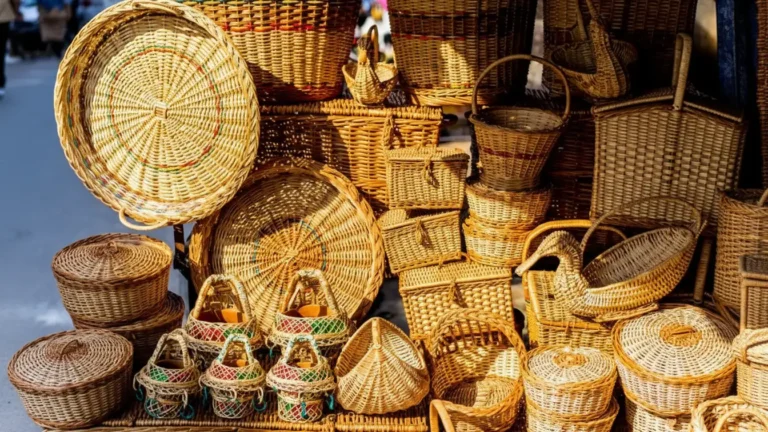
Rattan and Bamboo Products: Vietnam specializes in lightweight, durable woven goods. Look for beautiful rattan handbags, placemats, and baskets, often found at great prices outside the main tourist stalls.
Chopsticks: High-quality wooden or mother-of-pearl inlaid chopsticks make practical and lovely gifts.
Propaganda Art: Reproductions of colorful, historic Vietnamese propaganda posters are widely available and make vibrant, easy-to-pack wall art.
4. Shopping Safety and Awareness
A few safety precautions will ensure a smooth, enjoyable shopping experience:
Watch Your Belongings: In crowded markets, be vigilant against pickpockets. Wear your backpack on your front and keep valuables secured.
Check Quality: If buying electronics, tailored items, or silk, always inspect the quality carefully before paying. Check seams, zippers, and finishes.
Know the Currency: Be familiar with the value of the large Dong (VND) notes (VND 100,000 vs. 500,000) to avoid handing over too much money by mistake.
By adopting a friendly negotiating style and knowing exactly what and where to buy, you will unlock the true joy of shopping in Vietnam’s energetic, fascinating markets.