
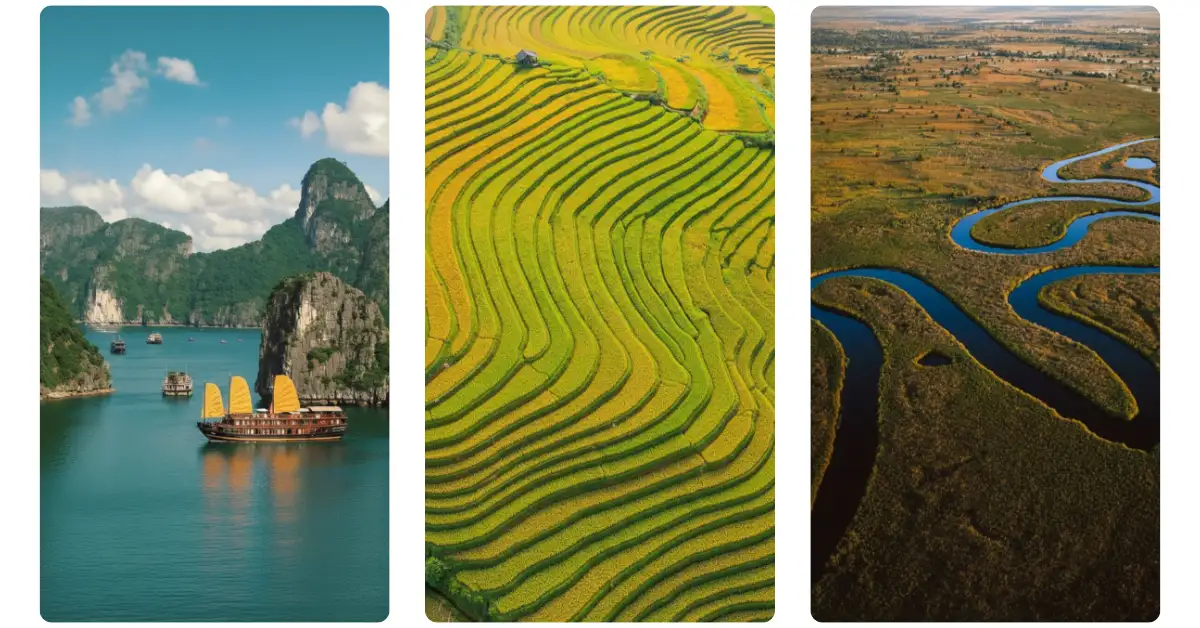
Vietnam is a country that demands active participation, offering a spectacular array of landscapes and cultural experiences. While wandering through bustling cities and savoring street food are essential, certain tours and activities are considered quintessential, offering deep dives into the country’s heritage and natural splendor.
If your time is limited, this guide presents the “Unforgettable Trio”—three absolutely essential activities that span the North, Central, and South, guaranteeing a well-rounded and memorable Vietnamese adventure. We’ve also added a bonus essential activity for the food-focused traveler!
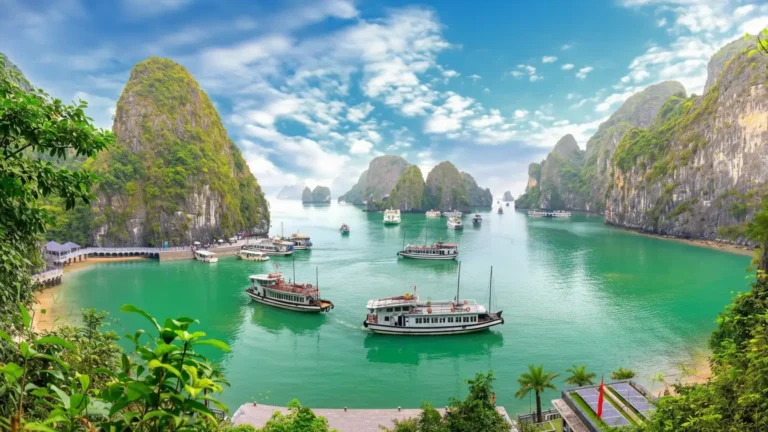
1. The Natural Wonder: Ha Long Bay Cruise (North)
Ha Long Bay, a UNESCO World Heritage Site, is arguably Vietnam’s most recognizable landscape. Located in the Gulf of Tonkin, its thousands of towering limestone karsts and islets rising dramatically from the emerald water create a mystical, unforgettable vista.
Why It’s a Must-Do: There is no better way to appreciate this geological masterpiece than gliding through the formations on a traditional junk boat.
Choosing Your Cruise: Cruises range from budget day-trips to luxurious multi-day voyages.
2-Day/1-Night: Recommended. This allows you to witness both a stunning sunset and sunrise over the karsts, and participate in activities like kayaking, swimming, and exploring hidden caves without feeling rushed.
3-Day/2-Nights: Ideal for those who want more time for deep relaxation and deeper exploration, often venturing into the less-trafficked Lan Ha Bay or Bai Tu Long Bay areas.
What to Expect: Cruises typically include all meals, cabins, and activities. Be sure to check what is included in the price (e.g., entrance fees, kayaking rentals) before booking.
2. The Cultural Immersion: Sapa Trekking (Northwest)
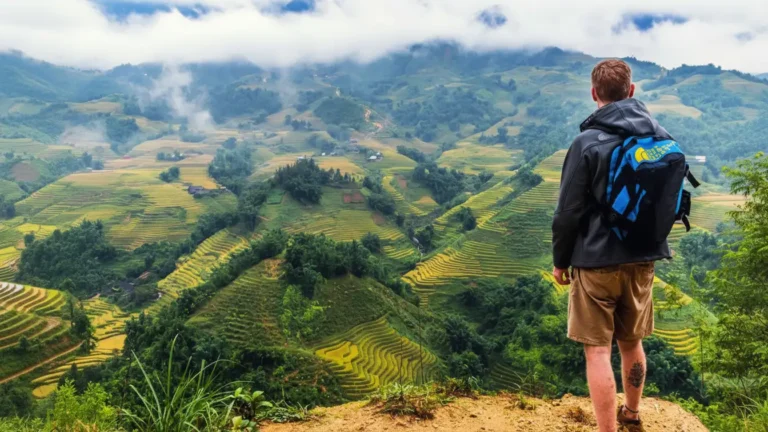
Venturing away from the capital, the mountainous region around Sapa offers a vastly different, cooler, and ethnically diverse experience. Trekking here is less about grueling physical challenge (though that is an option) and more about cultural exchange.
Why It’s a Must-Do: Sapa is home to breathtaking tiered rice paddies and vibrant ethnic minority communities, such as the H’mong and Dao people. A trek offers stunning views and invaluable cultural insights.
Trekking Options:
Day Trek: Simple walks through the valleys to nearby villages like Cat Cat, offering introductory views of the terraces.
Homestay Trek (2-3 Days): Highly recommended. This involves hiking between villages and spending the night in a traditional home (homestay). This provides the most authentic interaction with local families, sharing meals and learning about their unique way of life.
Best Time to Go: Aim for September to November to see the golden rice harvest, or March to May for blooming spring landscapes and mild weather.
3. The Riverine Life: Mekong Delta Tour (South)
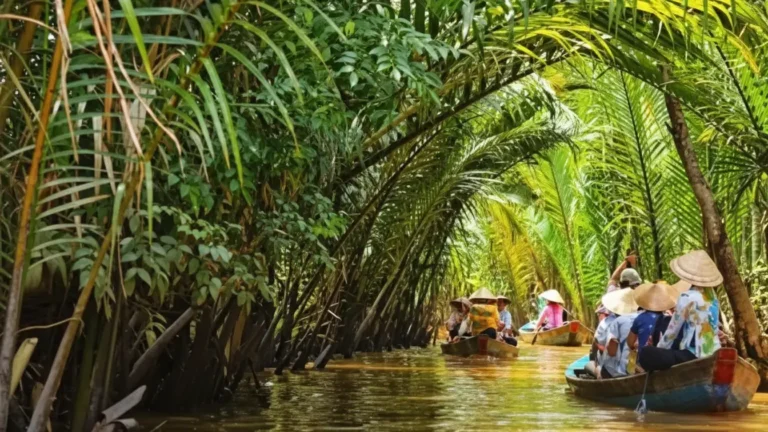
The Mekong Delta, often referred to as the “rice bowl” of Vietnam, is a vast, fertile network of rivers, swamps, and islands in the country’s south. A trip here reveals a lifestyle deeply intertwined with the water.
Why It’s a Must-Do: It provides a stark contrast to the hectic cities. You’ll witness the unique riverine economy and culture, where markets float and houses stand on stilts.
Tour Highlights:
Floating Markets: Can Tho’s Cai Rang Floating Market is a famous example, where vendors trade fruits, vegetables, and goods directly from their boats.
Small Canal Trips: Taking a small, traditional wooden boat (sampan) through the narrow, verdant canals, surrounded by coconut trees, is the highlight of the delta experience.
Fruit Orchards and Workshops: Tours often include visits to local farms, coconut candy workshops, and rice paper producers, offering a taste of the delta’s produce.
Timing: While a long day trip from Ho Chi Minh City is possible, a 2-day/1-night trip staying in a local town like Can Tho allows you to experience the markets early in the morning, which is essential.
While not geographically tied to one region, a cooking class is an activity that should be on every traveler’s itinerary, regardless of where they are in the country (Hoi An and Ho Chi Minh City are popular spots).
Why It’s Essential: Vietnamese cuisine is celebrated worldwide, and a class is the best way to decode its flavor balance. You learn the crucial techniques behind using fresh herbs and achieving the perfect blend of sweet, sour, salty, and spicy.
The Experience: Classes typically start with a trip to the local market to source ingredients, followed by hands-on instruction to prepare iconic dishes like Phở, Bánh Xèo (savory pancakes), or fresh spring rolls.
| Region | Activity | Primary Focus | Best Time |
|---|---|---|---|
| North | Ha Long Bay Cruise | Natural Beauty, Relaxation | Oct–Dec, Mar–May |
| North | Sapa Trekking | Culture, Adventure, Nature | Sept–Nov (Harvest), Mar–May (Mild) |
| South | Mekong Delta Tour | Riverine Culture, Local Life | Dec–Apr (Dry Season) |
| Nationwide | Cooking Class | Culinary Immersion | Any Time |
By incorporating at least one of these major regional activities, your Vietnam trip will transcend simple sightseeing and become a journey of profound discovery.