
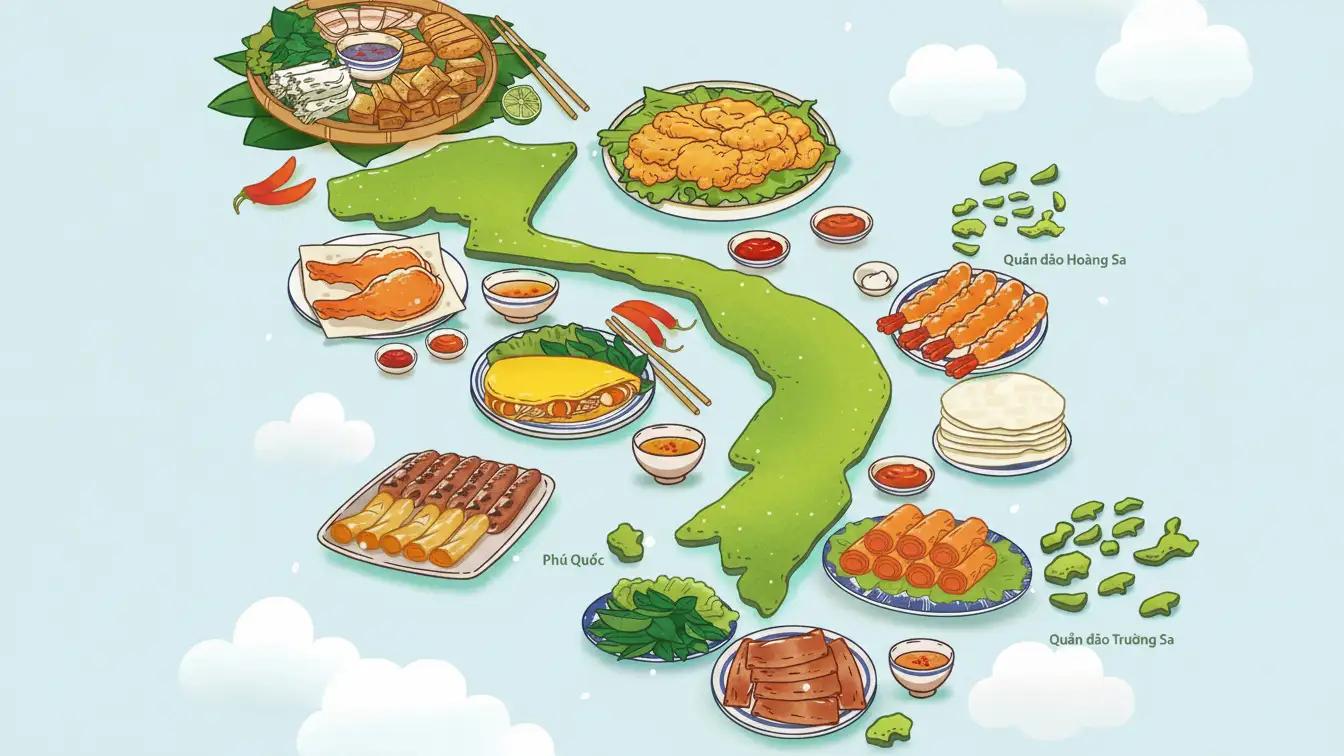
Vietnamese cuisine is world-renowned for its freshness, balance of flavors, and vibrant use of herbs. Food is not just sustenance in Vietnam; it is an immersive cultural experience found everywhere, from humble plastic stools on the pavement to elegant fine dining establishments. To truly experience the country, you must venture beyond tourist traps and dive into the authentic flavors.
This guide is your passport to Vietnam’s most iconic dishes, offering tips on regional specialties and how to eat like a local.
1. Phở (Noodle Soup): A National Obsession with Regional Twists
Phở, the quintessential Vietnamese noodle soup, is a daily ritual. It is typically eaten for breakfast or lunch, and while the core elements remain the same (broth, rice noodles, meat, herbs), its flavor profile shifts significantly between the North and South.
Regional Differences in Phở
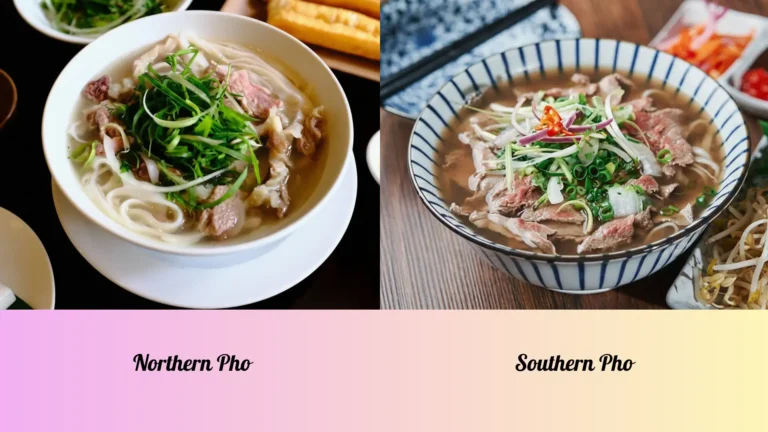
Northern Phở (Phở Bắc – Hanoi): This is the original and most classic version. The broth is clearer and purer, focusing intensely on the subtle, sweet savoriness of the beef bones and minimal spices. It’s typically served with wider noodles and simple garnishes like green onions and often quẩy (fried dough sticks). Locals prefer it straight, without heavy doctoring.
Southern Phở (Phở Nam – Ho Chi Minh City): The Southern style is generally richer, sweeter, and more spiced. It comes with a larger, overwhelming plate of fresh garnishes, including basil, cilantro, mint, bean sprouts, and sliced chilies. Diners are encouraged to customize their bowl with sauces like Sriracha and Hoisin.
How to Eat Phở Like a Local
Taste First: Always taste the broth before adding anything. Appreciate the chef’s intended flavor.
Add Herbs Sparingly (North) or Liberally (South): If in the South, tear the fresh herbs into the broth to infuse the flavor.
The Chopstick-Spoon Combination: Hold the spoon in your dominant hand to scoop the broth and meat, and the chopsticks in the other to manage the noodles. Slurping is not only acceptable but encouraged!
2. Street Food Icons: Bánh Mì and Bún Chả
These two dishes perfectly embody the street food culture: quick, complex, and overwhelmingly delicious.
Bánh Mì (The Sandwich)
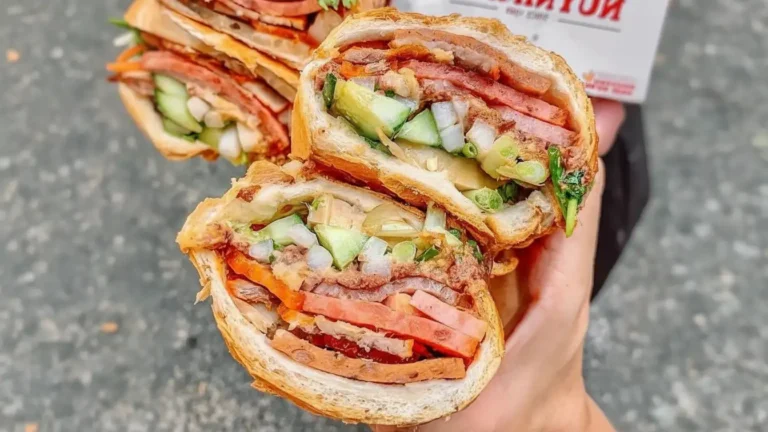
A delicious legacy of French colonialism, the Bánh Mì is a crusty baguette filled with a stunning mix of textures and flavors. Fillings usually include savory paté, various cuts of pork (ham, pork roll, grilled pork), pickled carrots and daikon, fresh cilantro, cucumber, and a final drizzle of spicy sauce.
Finding the Best Bánh Mì: Look for stalls with a long queue of locals—this is always the best indicator of freshness and quality. Also, look for stalls that specialize, such as those focusing only on Bánh Mì ốp la (with fried egg) or Bánh Mì heo quay (with crispy roasted pork).
Bún Chả (Grilled Pork and Noodle Dish)
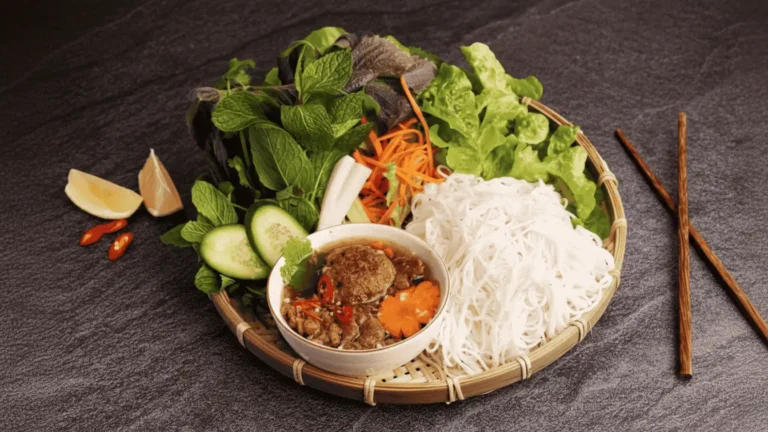
Bún Chả có nguồn gốc từ Hà Nội, và trở nên nổi tiếng trên toàn thế giới khi Anthony Bourdain và Barack Obama từng cùng nhau thưởng thức món ăn này. Bún Chả gồm ba thành phần chính:
Thịt lợn nướng: Những miếng thịt lợn nhỏ và những dải thịt mỡ được nướng trên than hoa.
Bún (Bún sợi): Một chồng bún gạo nguội.
Nước Chấm: Một loại nước dùng có vị ngọt, mặn và chua, gồm nước mắm, đường, giấm, đu đủ xanh thái lát và những miếng thịt lợn nướng nổi bên trong.
Cách ăn bún chả: Lấy một ít bún, vài loại rau thơm và một ít thịt lợn, rồi chấm tất cả vào bát nước chấm trước khi ăn. Không được đổ nước chấm lên bún!
3. The Distinctive Coffee Culture
Vietnam is one of the world’s largest coffee exporters, and its unique, strong café culture is a daily pleasure. It’s a social activity, often enjoyed slowly while perched on low stools watching the world go by.
Essential Vietnamese Coffee Drinks
Cà phê sữa đá (Iced Coffee with Condensed Milk): The classic. A strong, dark roast brewed through a small metal filter (phin) and mixed with sweet condensed milk, then poured over ice. The perfect tropical fuel.
Cà phê trứng (Egg Coffee): A Hanoi specialty. It involves a strong, hot black coffee base topped with a light, airy, creamy foam made from whisked egg yolks and sweetened condensed milk. It tastes less like egg and more like a rich, coffee-flavored tiramisu.
Coconut Coffee (Cà phê cốt dừa): A popular cold drink that blends strong coffee with frozen coconut milk and crushed ice—a delicious, dessert-like indulgence.
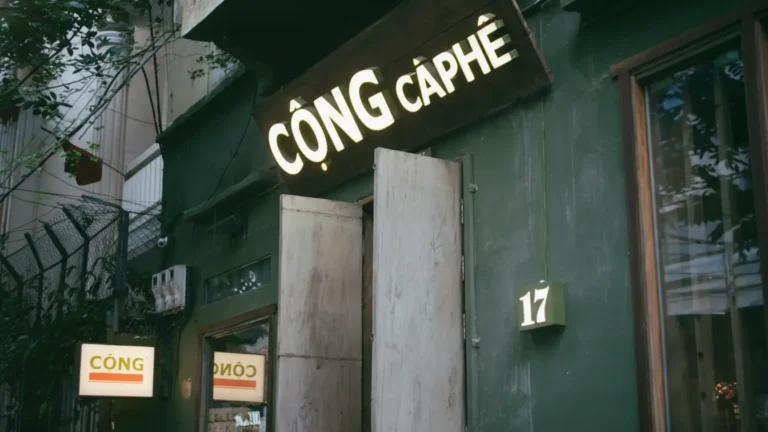
Café Experience: Cong Caphe
While dozens of independent cafes are worth visiting, Cong Caphe is a must-try for its unique atmosphere. Designed with communist-era retro aesthetics (military-green uniforms, rustic wooden furniture), it offers great Wi-Fi and is the perfect place to enjoy a Cà phê cốt dừa (coconut coffee) in a distinctive, themed environment.
4. Fine Dining and Culinary Classes
While street food offers immense flavor, Vietnam’s fine dining scene is rapidly evolving, particularly in Hanoi and HCMC, blending traditional techniques with modern presentation.
Tasting Menus: Look for restaurants offering tasting menus that focus on regional specialties, providing a sophisticated, curated view of Vietnamese cuisine.
Cooking Classes: Enroll in a local cooking class (often found in Hoi An or HCMC). This provides hands-on knowledge about balancing the core flavors—sweet (sugar), sour (lime/vinegar), salty (fish sauce), and spicy (chili)—and helps you bring the taste of Vietnam home.
Embrace the street, don’t be afraid of the plastic stools, and always be ready to try something new. Vietnam’s food scene is as diverse as its landscape, offering an endless array of delicious discoveries.