
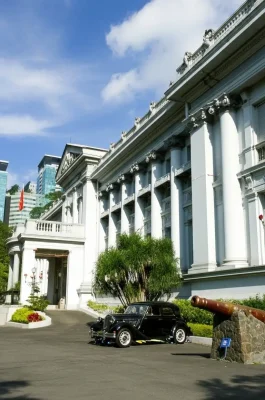
The Palace's Many Lives: A History Told in Stone
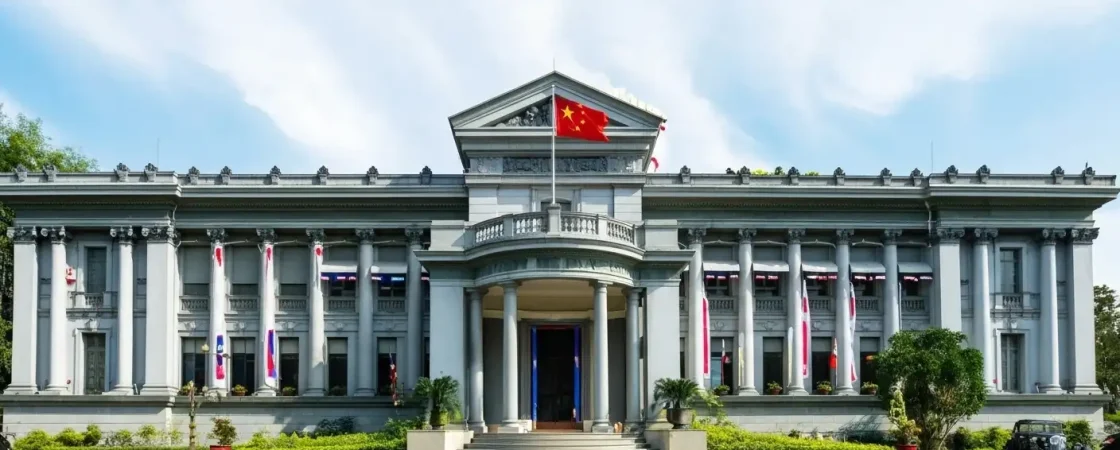
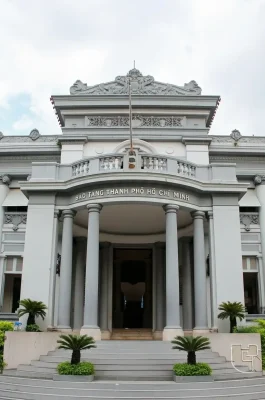
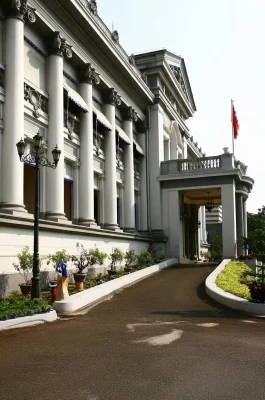
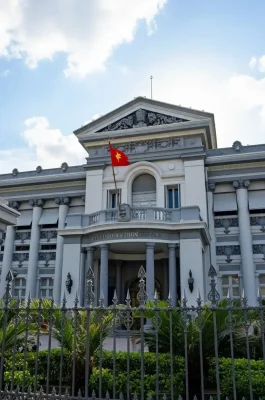
The museum building itself serves as your first history lesson. French architect Alfred Foulhoux initially designed this neoclassical mansion as a Commercial Museum in 1890. However, its purpose dramatically shifted over the decades. First, it became known as the Gia Long Palace. It served as the residence for the French Governor of Cochinchina. Throughout the turbulent 20th century, it housed various high-ranking government offices. It even briefly functioned as a temporary Presidential Palace for South Vietnam in the 1960s. Finally, the structure transformed into the Ho Chi Minh Revolutionary Museum in 1978. It later became the Museum of Ho Chi Minh City. Therefore, the architecture directly witnessed the colonial era, wartime turmoil, and reunification.
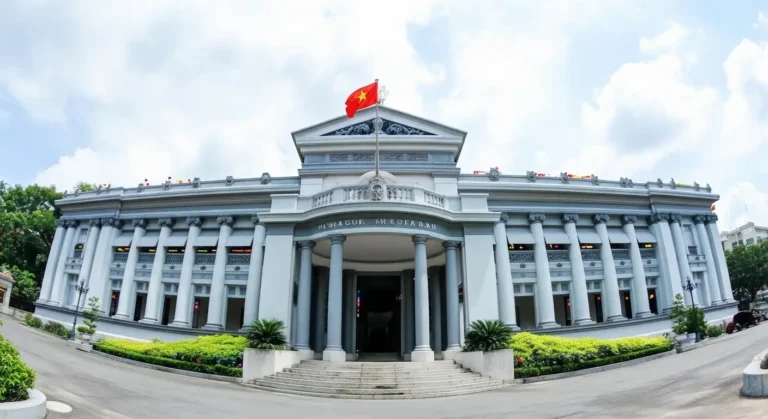
Architecture: Where East Meets West
The building’s design showcases a stunning blend of European Baroque and Renaissance styles with distinct Asian elements. Look closely at the exterior: you will find intricate reliefs from Greek mythology adorning the facade. In contrast, Eastern-style roof ornamentation features delicate flowers, snakes, and geometric patterns. Consequently, this architectural fusion perfectly symbolizes the city’s identity as a cultural meeting point.
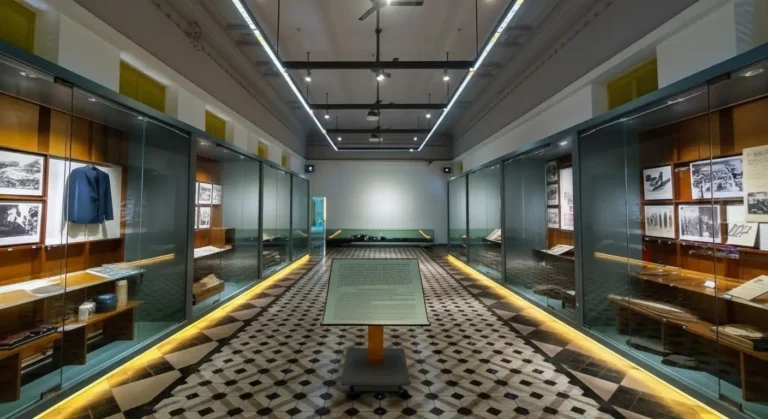
Unveiling Saigon's Story
The exhibits inside offer a sweeping narrative of the city’s past and present, organized thematically.
Saigon’s Foundation: Trace the city’s history from its natural environment and early archaeological finds. Highlights include the vibrant Óc Eo culture. Furthermore, the museum covers the city’s establishment as a major port and administrative center.
Economic & Cultural Life: Explore how the city flourished as a trade hub. The exhibits showcase historical maps, traditional handicrafts (like pottery and wood carving), and a fascinating collection of historical Vietnamese currency.
The Revolutionary Struggle: Dedicated rooms chronicle the periods of resistance against French and American forces. They feature a poignant collection of artifacts, documents, and photographs. Significantly, these exhibits highlight the city’s pivotal role in the fight for national independence. The outdoor area also proudly displays historic aircraft and military vehicles.
Essential Visitor Information
The museum is conveniently located at 65 Lý Tự Trọng, Bến Nghé Ward, District 1, Ho Chi Minh City. It sits near the Independence Palace and Notre Dame Cathedral.
Opening Hours: The museum is open daily from 8:00 AM – 5:00 PM.
Admission Fee (Approximate):
Adults: 30,000 VND
Students (with ID): Receive a 50% discount.
Photography: An additional 20,000 VND fee may apply per camera.
Recommendation: Check the museum’s official website or contact them directly for the most current information, including any temporary exhibition closures.