Xôi (pronounced “Soy-ee”) is one of Vietnam’s most essential and beloved culinary staples. It refers to various dishes made from steamed or cooked glutinous rice (sticky rice). More than just a breakfast item, Xôi serves as a quick meal, a hearty snack, a side dish, and a ceremonial food for special occasions like weddings and Tết (Lunar New Year).
The beauty of Xôi lies in its incredible versatility, as it perfectly carries both savory and sweet flavors, allowing for a multitude of regional variations.
Xôi: The Basics
The Base: The foundation of all Xôi dishes is glutinous rice (gạo nếp). This rice is first thoroughly washed, soaked (often overnight) to achieve the perfect chewiness, and then traditionally cooked in a steamer basket (chõ in the North, xửng in the South) until tender, sticky, and fragrant.
Two Core Categories: All Xôi falls into one of two major categories:
Savory Xôi (Xôi Mặn): Served as a complete, hearty meal with rich, protein-based toppings.
Sweet Xôi (Xôi Ngọt): Served as a breakfast, snack, or dessert, often flavored with coconut milk, sugar, and natural colorings.
Preparation: The rice grains are often mixed with coloring agents (like turmeric for yellow, gấc fruit for red, or pandan for green) or complementary ingredients (like mung beans or peanuts) before steaming.
Types and Varieties of Xôi
The variations of Xôi are seemingly endless, showcasing the creativity of Vietnamese street food.
Savory Xôi (Xôi Mặn)
These are rich, full meals often eaten for breakfast or lunch.
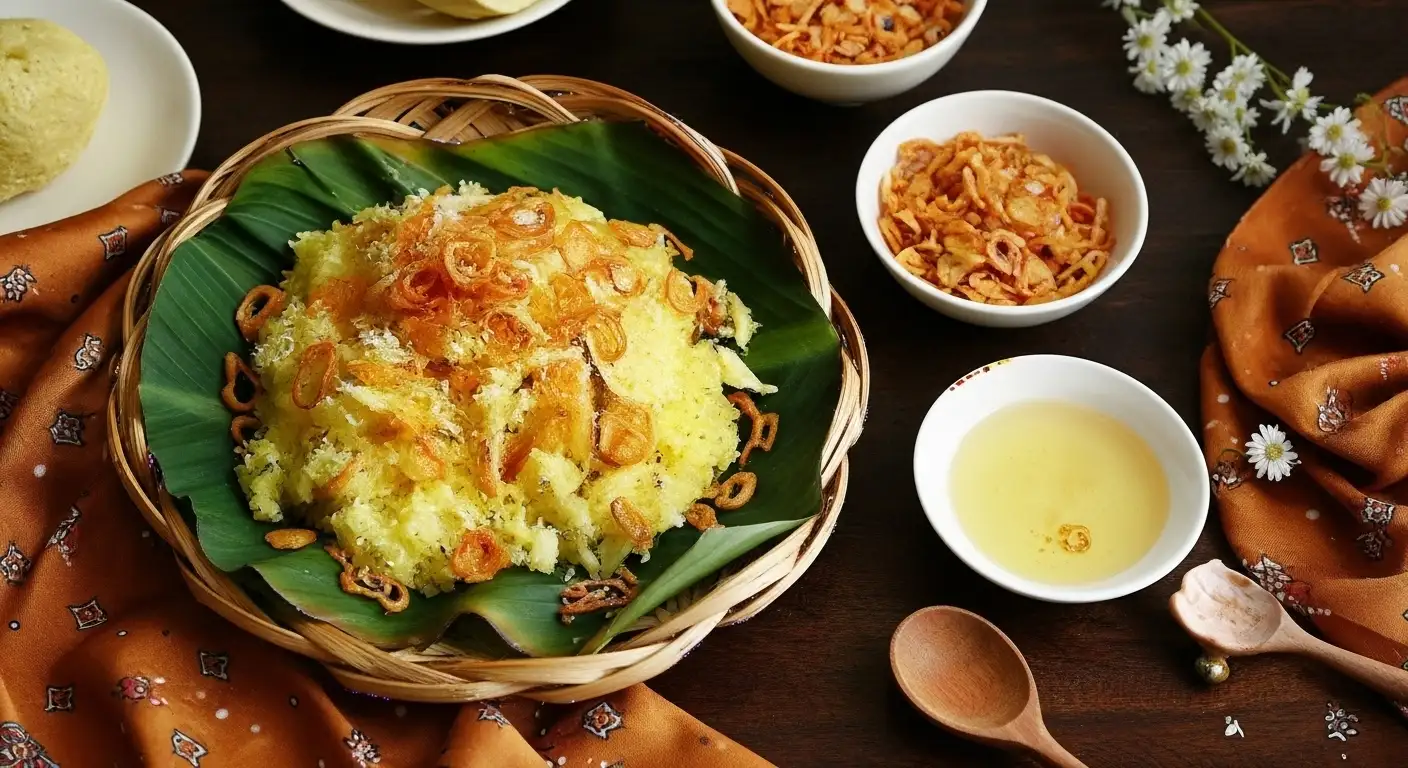
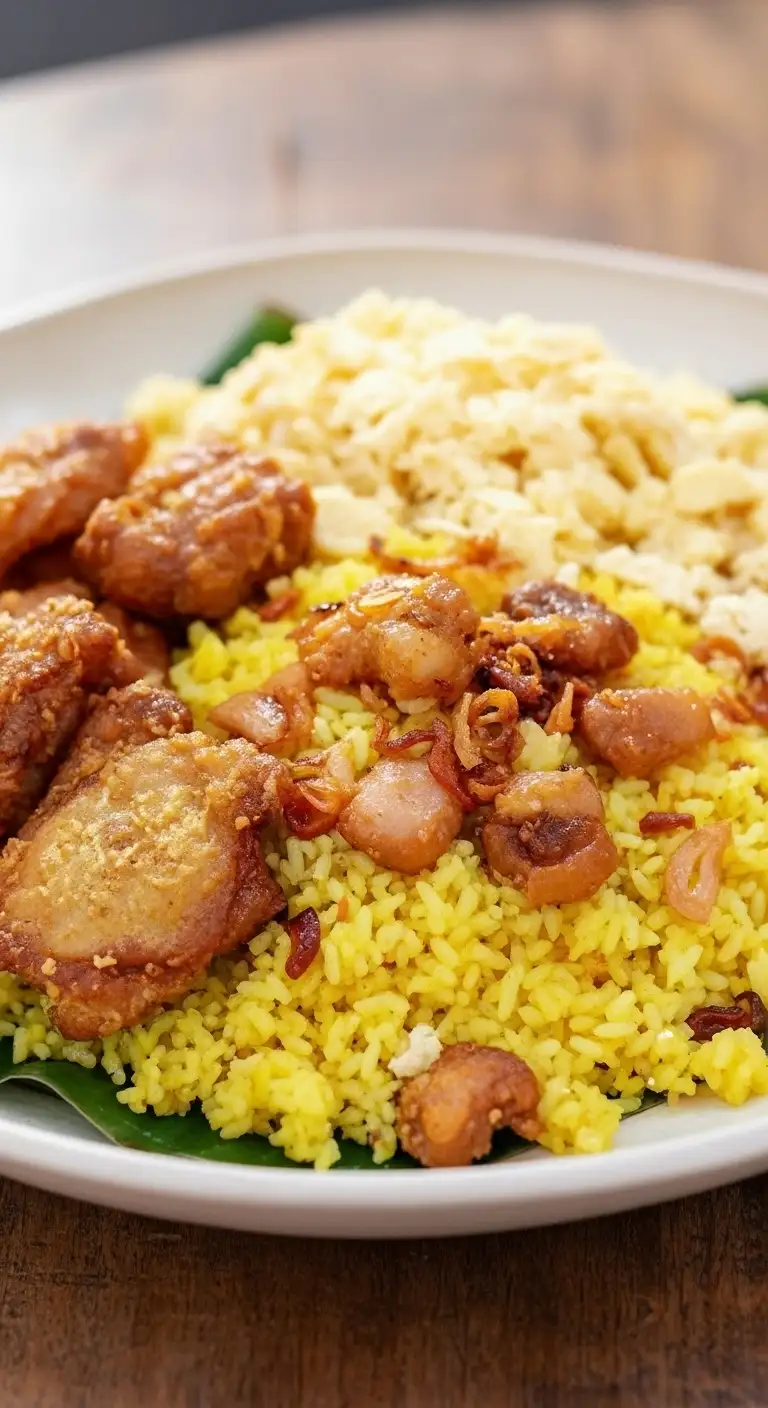
Xôi Xéo (Yellow Sticky Rice with Mung Bean): Arguably the most famous Northern savory Xôi. The sticky rice is colored yellow (with turmeric or gấc oil), then topped with thin flakes of creamy, crushed mung bean paste, a generous drizzle of scallion oil, and a shower of crispy fried shallots. Often served with Vietnamese sausage (chả lụa), braised pork, or shredded chicken.
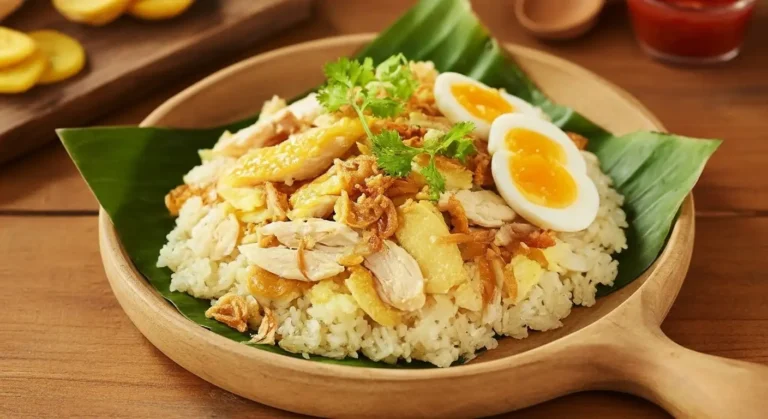
Xôi Gà (Chicken Sticky Rice): Sticky rice cooked in chicken broth to give it a yellow color and buttery flavor, then topped with shredded chicken, a mix of shredded herbs (like Vietnamese mint), and scallion oil.
Xôi Thịt Kho Tàu (Braised Pork Sticky Rice): Sticky rice topped with rich, slow-braised pork and sometimes a hard-boiled egg that has been simmered in a mixture of coconut water, soy sauce, and sugar.
Sweet Xôi (Xôi Ngọt)
These are often colorful, slightly sweet, and aromatic dishes.
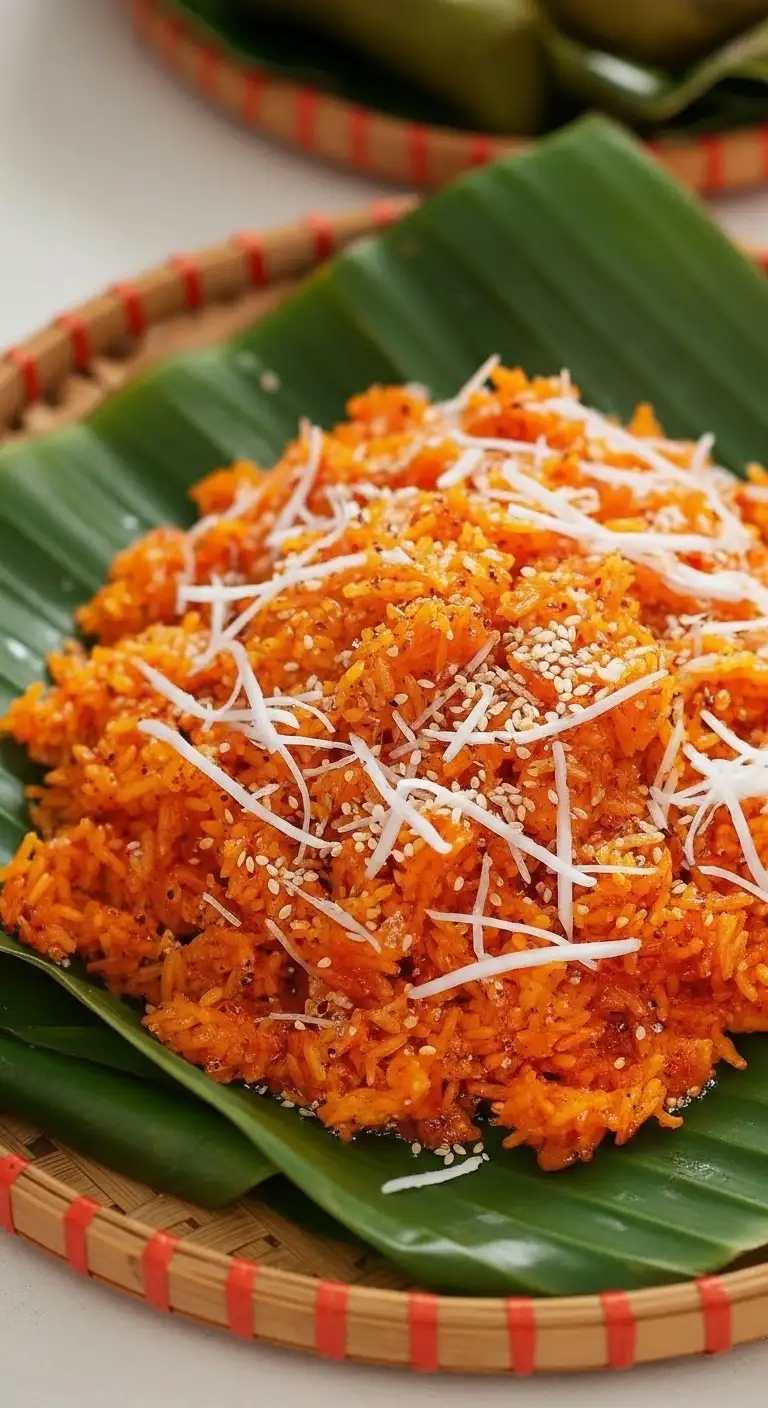
Xôi Gấc (Red Sticky Rice): The most ceremonial Xôi. The rice is mixed with the pulp of the gấc (baby jackfruit) fruit, giving it a stunning, naturally vibrant red-orange color—a symbol of good luck and happiness. It is lightly sweetened and often served at weddings and Tết.
Xôi Lá Dứa (Pandan Sticky Rice): Steamed with pandan extract, which gives the rice a fragrant aroma and a beautiful, gentle green hue. It’s often sweetened with sugar and coconut milk.
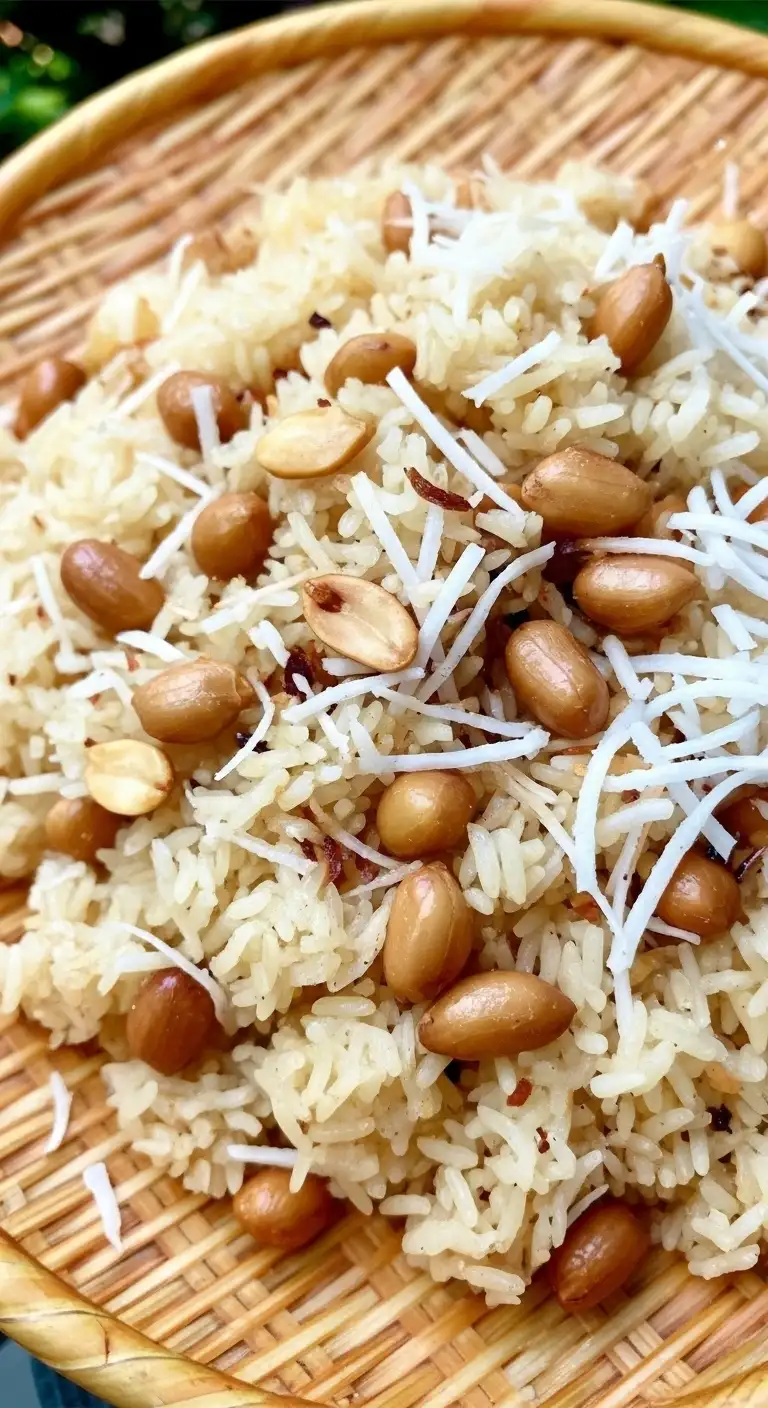
Xôi Đậu Xanh/Đen (Sticky Rice with Green/Black Beans): Rice mixed and steamed with whole or split green/black beans. Served simply with a sprinkle of sugar and roasted sesame-peanut salt (muối vừng).
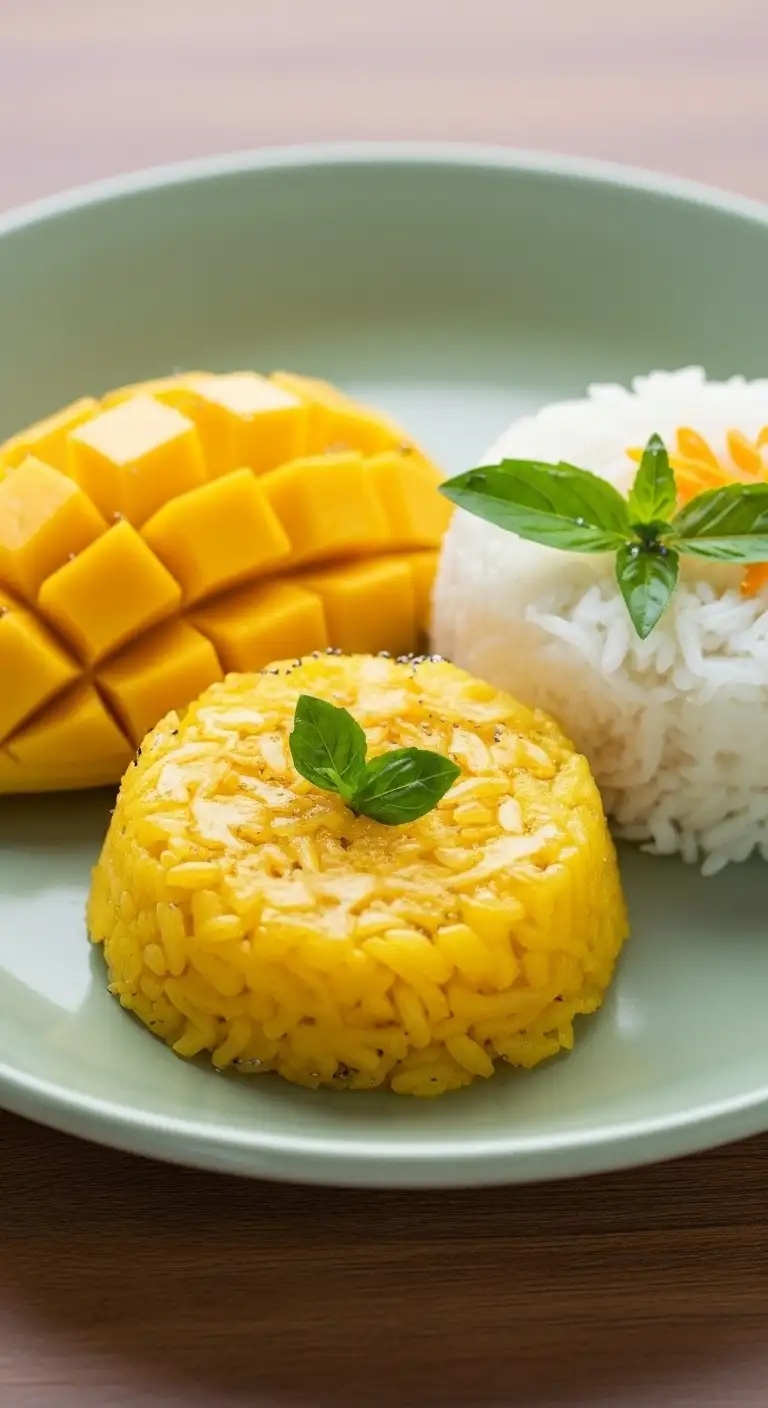
Xôi Mít/Xoài (Jackfruit/Mango Sticky Rice): A Southern favorite, featuring warm sticky rice stuffed inside jackfruit segments or served alongside slices of fresh mango and drizzled with thick, sweet coconut cream.
How to Eat Xôi
Xôi is an on-the-go meal, typically served in a few easy ways:
Wrapped in a Leaf: Traditionally, street vendors wrap a serving of Xôi in a square piece of banana leaf, lotus leaf, or arrowroot leaf. This keeps the rice warm, prevents sticking, and imparts a subtle, fresh aroma.
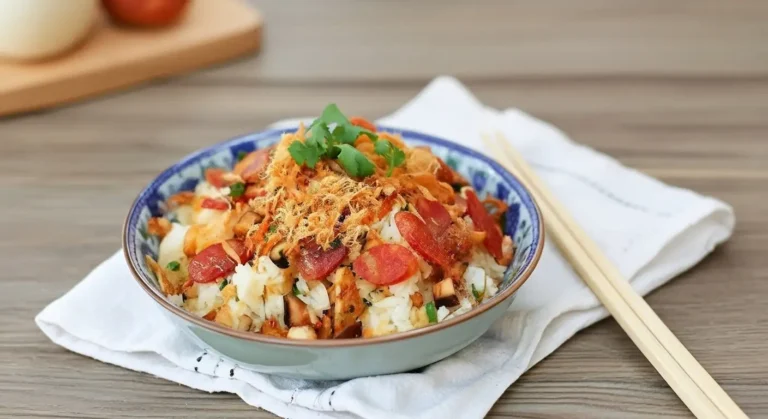
Using a Spoon: Savory Xôi is usually eaten directly from the wrapper or served in a small bowl/plate, eaten with a spoon or chopsticks, ensuring you get a bite of the sticky rice base and all the toppings.
Adjusting the Flavor: Vendors often give you a selection of optional condiments, especially for savory Xôi, such as:
Scallion Oil (Mỡ Hành): A savory, aromatic oil with cooked scallions.
Shredded Pork Floss (Chà Bông): Dried, shredded meat that adds a salty, cotton-like texture.
Pickles: Sliced cucumber, pickled daikon, or carrots to add a tangy, crunchy element.
Regional Differences
The flavor of Xôi is heavily influenced by the distinct culinary preferences of Vietnam’s three regions.
| Region | Flavor Profile & Typical Xôi | Key Differences |
|---|---|---|
| Northern Vietnam (Hanoi) | Traditional, Subtle, Hearty. The origin of many classic Xôi recipes. | Prefers less sweetness and focuses on the pure flavor and texture of the rice and complementary cereals. Savory Xôi often uses simpler, pork-based toppings (like Xôi Xéo or Xôi Ngô). |
| Central Vietnam (Huế/Đà Nẵng) | Bold, Savory, Spicy. Reflects the central region's love for richer, more seasoned food. | Favors robust savory versions like Xôi Gà (Chicken Sticky Rice), where the rice itself is heavily seasoned by cooking in chicken stock. Dishes are more likely to feature strong aromatics and chili. |
| Southern Vietnam (Ho Chi Minh City) | Sweet, Rich, Coconut-based. Embraces the tropical abundance of the Mekong Delta. | Xôi here is generally sweeter, with heavy use of coconut milk and sugar in both savory and sweet versions. Tropical fruit-based Xôi (Xôi Xoài, Xôi Mít) is most popular here. Savory Xôi often includes creamy additions like pâté and various sauces. |