

I. Introduction: The Vibrant Appeal of Hai Phong in 2026
Vietnam’s Crucial Port and Coastal Hub
Hai Phong—the “Red Flower City”—serves as Northern Vietnam’s most vital port and a dynamic, industrial counterpoint to Hanoi’s historic elegance. While many travelers simply pass through on their way to Ha Long Bay or Cat Ba Island, visitors in 2026 discover a city rich with unique colonial architecture, a fiercely independent culture, and some of the best street food in the country. Therefore, bypassing Hai Phong means missing a truly authentic Vietnamese urban experience.
This curated guide details the Top 10 Hai Phong Attractions for 2026, offering insights into its naval history, its role as a gateway, and the hidden charm that earns its famous nickname. Get ready to explore the coastal energy and culinary secrets of the Red Flower City.
II. The Gateway to Adventure (TOP 1-3)
1. Cat Ba Island National Park
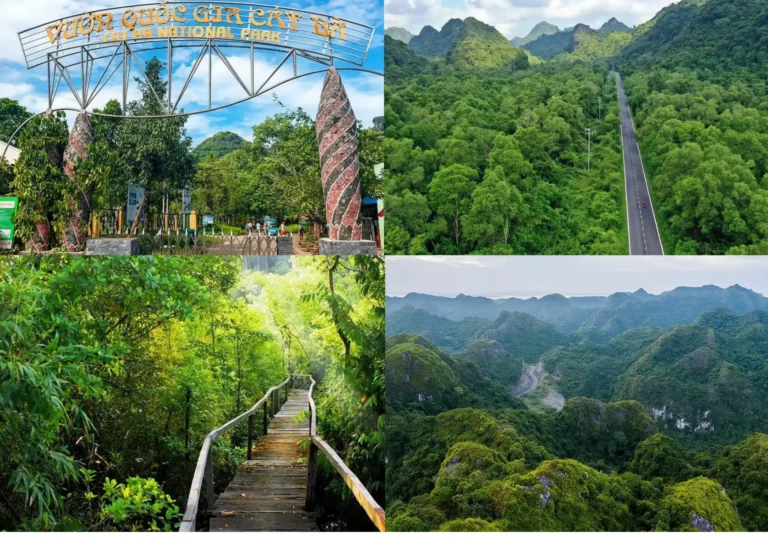
While technically a short ferry ride from the city, Cat Ba Island is intrinsically linked to the Hai Phong travel experience, serving as the primary gateway to the island and its dramatic karsts.
The Essential Island Escape: Cat Ba boasts stunning natural beauty, comprising jungle-covered mountains, untouched beaches, and part of the UNESCO-recognized Ha Long Bay ecosystem. Consequently, most travelers use Hai Phong’s Bến Phà Gót (Gót Ferry Terminal) to access the island.
The 2026 Experience: Once on Cat Ba, travelers can hike within the National Park, kayak through Lan Ha Bay (often cited as a quieter alternative to Ha Long Bay), or relax on the island’s three main beaches. Furthermore, the island offers excellent rock climbing and trekking opportunities.
2. Hospital Cave (Động Quân Y) on Cat Ba Island
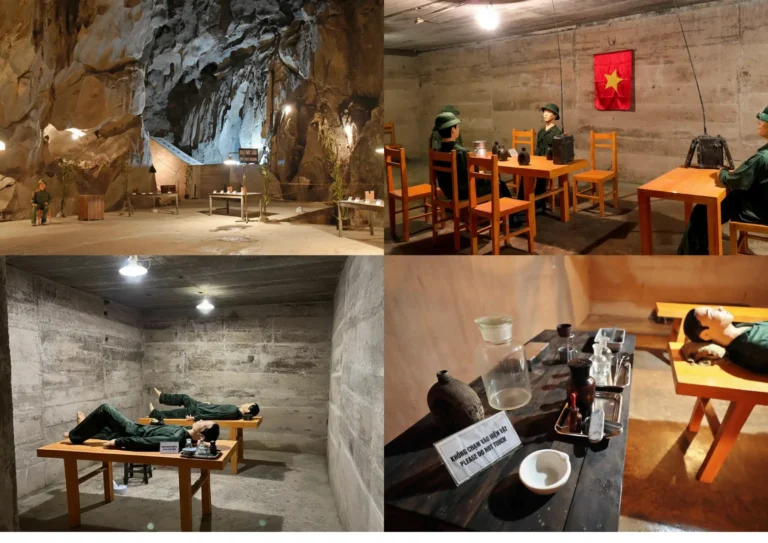
While you access this site via the Hai Phong gateway, the Hospital Cave is one of the most historically fascinating—and easily accessible—caves in the region. Used during the American War, this site transformed a natural karst formation into a highly functional, three-story military hospital.
A Secret Wartime Sanctuary: Constructed between 1963 and 1965, the cave was fully operational, featuring 17 rooms, a surgery theater, and a small cinema for recovering soldiers. Consequently, exploring the cave reveals a powerful look into the resilience and ingenuity of the Vietnamese military.
The Experience: Visitors explore the concrete structures built directly into the cave walls, observing the preserved rooms and the challenging conditions the staff and patients endured. Furthermore, the high, dark ceiling of the cave reminds you that you are deep inside a secure natural fortress.
Pro Tip: Therefore, visiting the Hospital Cave is an essential way to complement your historical understanding of the region after using Hai Phong as your transport hub. Allocate about one hour for the guided tour inside.
3. Đồ Sơn Beach

Located about 20 kilometers southeast of the city center, Đồ Sơn is Hai Phong’s main coastal resort area. Historically, it served as a popular retreat for the French colonial elite.
A Coastal Retreat with History: Đồ Sơn features a long, curving strip of sand. It remains popular with domestic tourists, especially during the summer months. Therefore, expect a bustling atmosphere rather than quiet isolation.
Local Attractions: Beyond the sand, visitors explore the Casino Đồ Sơn (one of the few legal casinos in Vietnam) and enjoy the local seafood restaurants clustered along the shoreline.
III. Historic Charm and City Life (TOP 4-7)
4. Hai Phong Opera House (Nhà hát lớn Hải Phòng)

The Opera House stands as the most prominent architectural legacy of the French colonial era, defining the city center.
Colonial Grandeur in the City Center: Built in 1904, the Opera House mimics the design of the Paris Opera House, though on a smaller scale. Its vibrant yellow facade is instantly recognizable and perfectly embodies the city’s historical layers.
City Center Hub: The square in front of the Opera House acts as a focal point for the city. Consequently, locals and visitors gather here, especially in the evenings, making it a great place for people-watching.
5. Hai Phong Museum
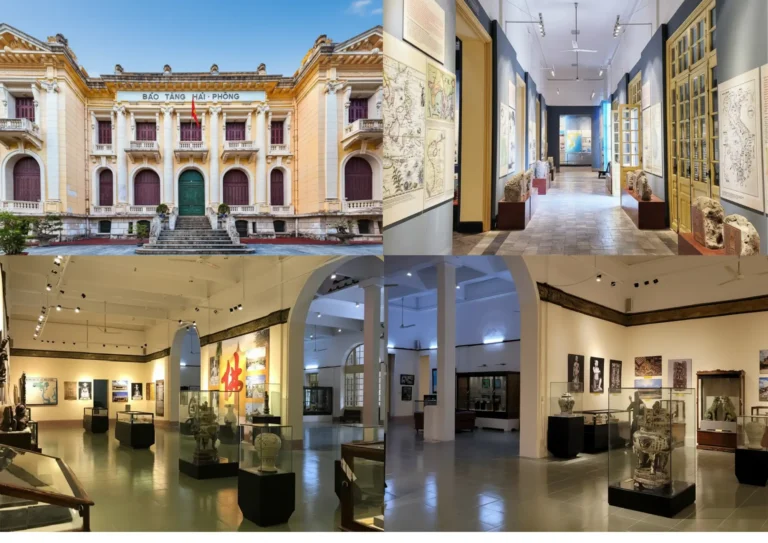
The city museum, located in a beautifully preserved colonial building, offers essential context for understanding Hai Phong’s rise as an industrial and port center.
Chronicling the Port City’s Development: The exhibits cover the city’s history from pre-colonial days through the French occupation, highlighting its crucial role during the Vietnam War. Furthermore, the museum showcases the region’s unique natural resources and anthropological findings.
Visitor Insight: Visiting the museum provides excellent background information, enriching your appreciation for the busy port activity you see throughout the city.
6. Du Hang Pagoda (Chùa Dư Hàng)
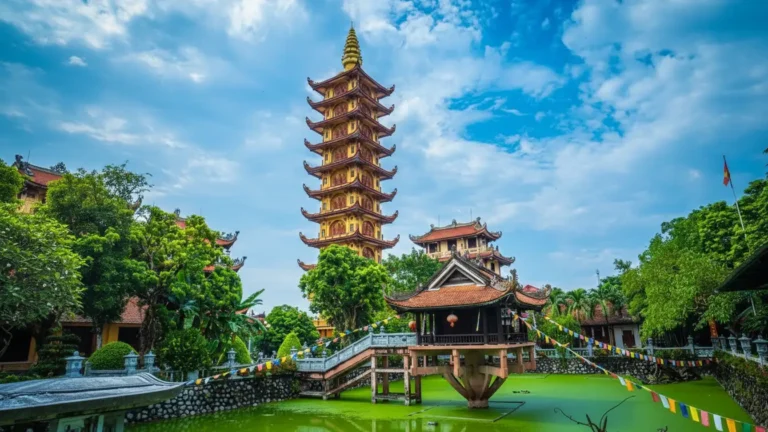
This ancient Buddhist pagoda offers a peaceful escape from the city’s energetic pace. It is one of Hai Phong’s most important cultural and religious sites.
A Serene Spiritual Retreat: Founded over three centuries ago, the pagoda features traditional Vietnamese architecture, beautiful gardens, and ancient trees. Therefore, the atmosphere is immediately calming.
The Experience: Visitors observe traditional rituals and admire the highly decorated main hall, which houses several ancient statues and bells.
7. Tam Bạc Lake and Pedestrian Street
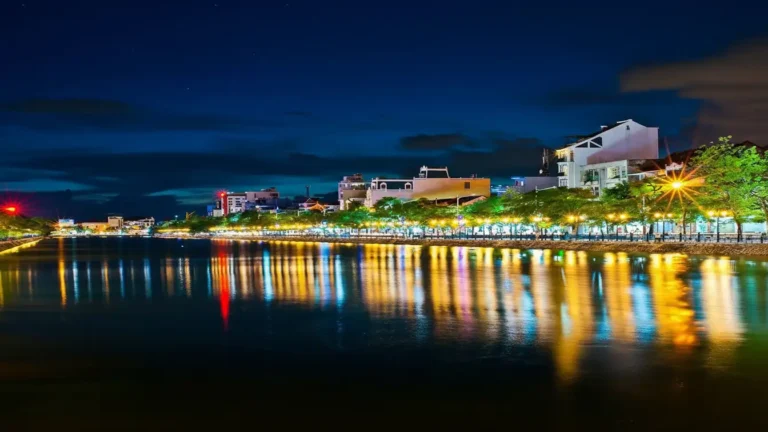
A key feature of downtown Hai Phong, Tam Bạc Lake offers a central point for relaxation and evening activity, similar to Hanoi’s Hoàn Kiếm Lake.
Evening Strolls and City Views: The lake is lined with trees and often illuminated at night. Recently, the city has developed the adjacent area into a pedestrian street, increasing its appeal as a modern leisure destination. Consequently, this area buzzes with local activity after dark.
IV. Food, Faith, and Unique Culture (TOP 8-10)
8. Cát Bi Market: The Culinary Heart (Chợ Cát Bi)
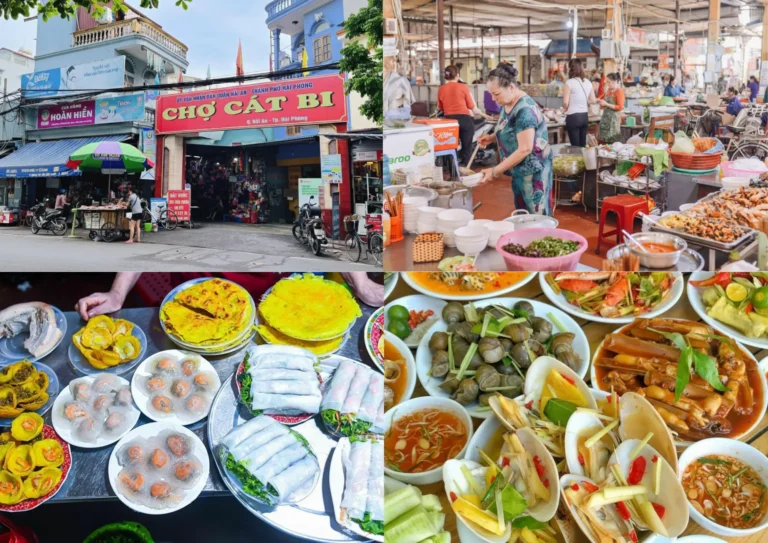
Hai Phong is a culinary powerhouse, and Cát Bi Market is widely regarded as the city’s foremost “food paradise.” Therefore, tasting the local specialties right where they originate is non-negotiable for any serious food traveler.
The Source of Hai Phong’s Signature Dishes: This market is a bustling hub where locals find the freshest ingredients and where the best street food stalls converge. It is the premier place to sample delicacies that originated in the port city, including:
Bánh Đa Cua: The unique dark-red noodle soup with fresh crab meat and aromatic broth.
Bánh Mì Cay: The famous small, “spicy baguette” filled with paté and dipped in the intense chí chương chili sauce.
The Experience: Consequently, visiting Cát Bi immerses you in the raw, energetic daily life of Hai Phong’s residents. You can observe the preparation of these dishes and enjoy authentic flavors at affordable prices.
Foodie Tip: Furthermore, while the market is active throughout the day, the surrounding side streets come alive with additional, smaller food stalls in the early evening, offering a broader range of snacks and cooked seafood.
9. The Cathedral of Hai Phong (Nhà thờ chính tòa Hải Phòng)
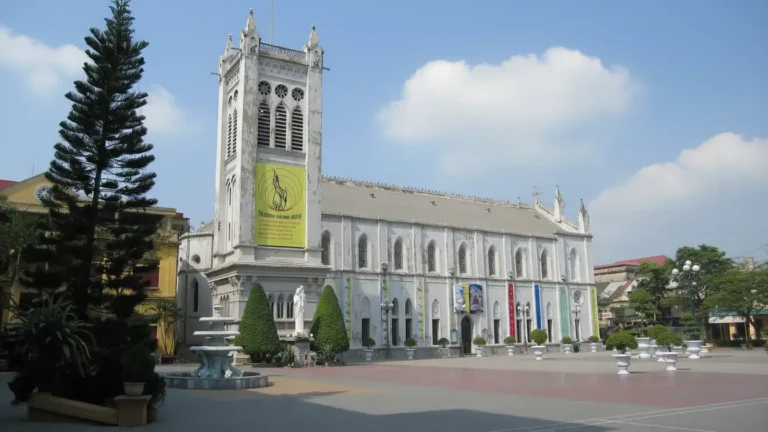
This large, striking cathedral stands as a major center for the region’s Christian community and boasts impressive architecture.
A Modern Religious Landmark: While not as old as some colonial structures, the Cathedral’s size and detailed architecture make it a significant city landmark. Moreover, the active services provide a glimpse into the religious diversity of Northern Vietnam.
10. The Red Flower Theme (Cây Phượng)

Hai Phong is globally known as the “City of Red Flowers” (Thành phố Hoa Phượng Đỏ), a nickname derived from the abundant Flamboyant/Royal Poinciana trees (Cây Phượng) that bloom intensely red in the summer.
Experiencing the City’s Signature Color: To truly appreciate the theme, visit during May and June when the flowers are in full bloom. Consequently, the entire city becomes awash in red and orange hues. Look for the best displays along the major boulevards and near the Opera House.