
I. Introduction: The Charm of Vietnam's Capital in 2026
Hanoi: A City of Lakes, History, and Enduring Charm
Stepping into Hanoi is like peeling back the layers of Vietnamese history. While Ho Chi Minh City pulses with modern, commercial energy, the northern capital retains a profound, ancient soul, beautifully juxtaposed with the lingering elegance of its French colonial past. For travelers exploring Vietnam in 2026, Hanoi offers an unmatched blend of cultural immersion—from the tranquil silence of its temples to the exhilarating chaos of its Old Quarter streets.
This definitive guide is your curated key to unlocking the very best of the city. We cut through the noise to bring you the Top 10 Hanoi Attractions for 2026, ensuring you experience the essential history, taste the unique northern cuisine, and discover the serene lake life that defines this charismatic city. Get ready to experience the heartbeat of Vietnam.
II. The Heart of Hanoi: Lakes and Quarter (TOP 1-3)
1. Hoàn Kiếm Lake & Ngoc Son Temple
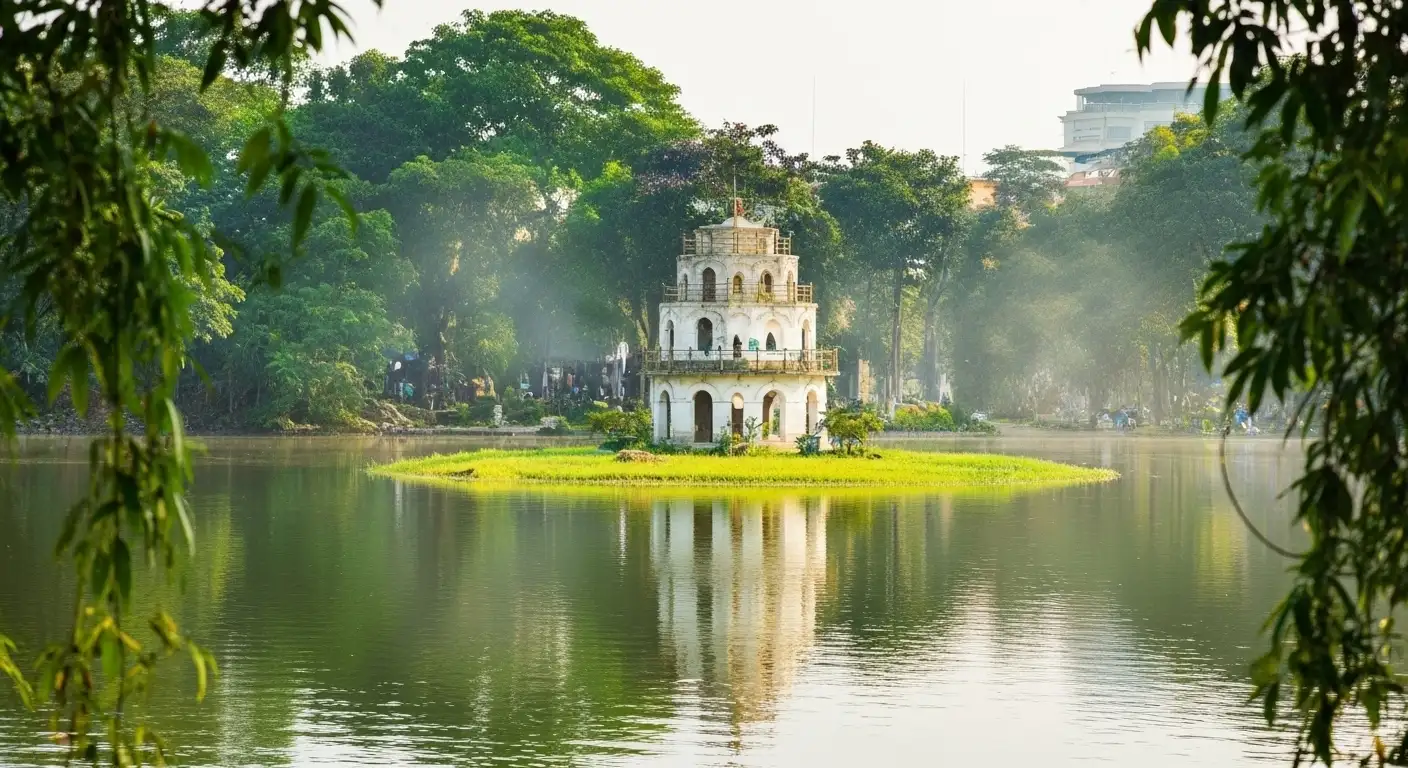
Hoàn Kiếm Lake (Lake of the Returned Sword) is the geographical and spiritual heart of Hanoi. It is more than just a body of water; it’s the city’s primary social gathering point, a tranquil oasis surrounded by endless traffic, and the centerpiece of a beloved local legend about Emperor Lê Lợi and a magical sword.
Hanoi’s Spiritual and Social Center: Every morning, the lake shore is lined with locals practicing Tai Chi, jogging, or doing aerobics. On weekends (usually Friday evening to Sunday evening), the surrounding streets are closed to traffic, transforming the area into a massive pedestrian zone filled with street performers, artists, and families—a truly essential cultural experience for the 2026 traveler.
The Ngoc Son Temple: The Temple of the Jade Mountain sits on a small island in the lake, accessible via the iconic, bright red Húc Bridge (Rising Sun Bridge). This temple is dedicated to Trần Hưng Đạo (a national hero), Văn Xương (a scholar), and Lã Đông Tân (a fairy), reflecting Vietnam’s diverse spiritual beliefs. Inside, you can view a preserved giant soft-shell turtle, believed to be the creature involved in the legendary sword story.
2026 Tip: For the best photos of the Turtle Tower (Tháp Rùa), a small, crumbling tower resting on its own island, visit at sunrise or sunset.
2. The Old Quarter (Phố Cổ) & 36 Streets
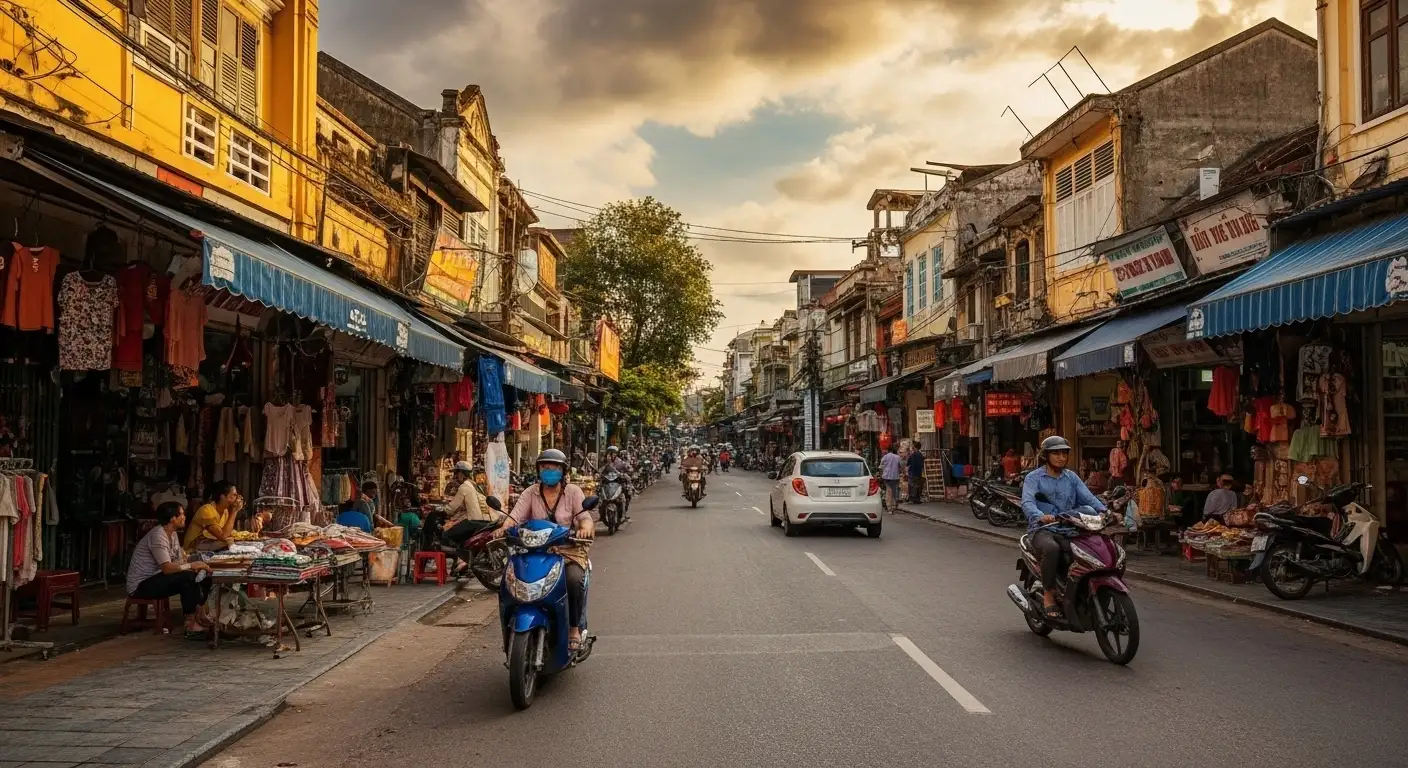
The Old Quarter is a magnificent, bewildering maze of narrow streets, ancient architecture, and ceaseless commerce. Historically, this area was divided into 36 guild streets, each specializing in a single trade—from “Silk Street” (Hàng Gai) to “Bamboo Street” (Hàng Tre). Though trades have diversified, the energy remains medieval.
Navigate the Maze of Commerce and Culture: This is where Hanoi’s life unfolds. Expect constant noise, the smell of street food, and the incredible sight of vendors carrying baskets of produce balanced on shoulder poles (gánh). This is the best place to find unique, locally made souvenirs.
Pro Tip for 2026: Crossing the street in the Old Quarter is an initiation rite. Do not run. Walk slowly and predictably, allowing the motorbikes to flow around you. For navigating, use the large Đồng Xuân Market as a central landmark.
Accommodation Tip: Staying in the Old Quarter offers instant access to food and life, but be prepared for noise, even late at night.
3. Train Street
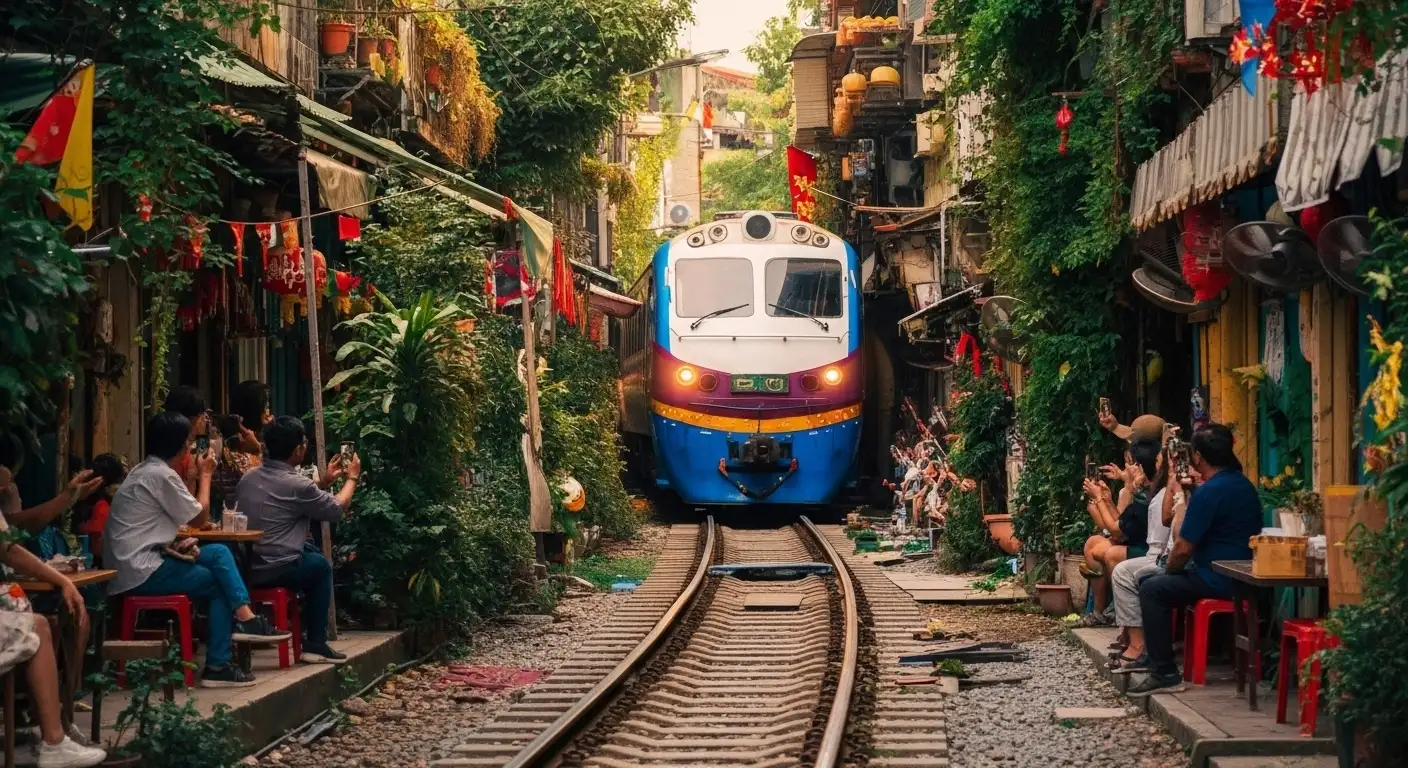
Perhaps the most famous—and controversial—attraction in recent years, Train Street is a narrow residential alley where the active railway line runs just inches from the front doors of homes and cafes.
The Thrill of the Close Call (2026 Status): Due to overcrowding and safety concerns, official entry to the narrowest sections of Train Street has been inconsistent. As of 2026, access is often restricted unless you are entering an official, permitted café.
Crucial Update: If you plan to visit, do so with an abundance of caution. The train usually passes twice in the evening (around 6 PM and 7 PM). Tourists should enter through a café that has staff positioned to monitor the track. Never stand on the tracks when the train is approaching. This attraction’s status is subject to local government changes, so check recent reviews.
III. Political & Cultural History (TOP 4-6)
4. Ho Chi Minh Mausoleum Complex
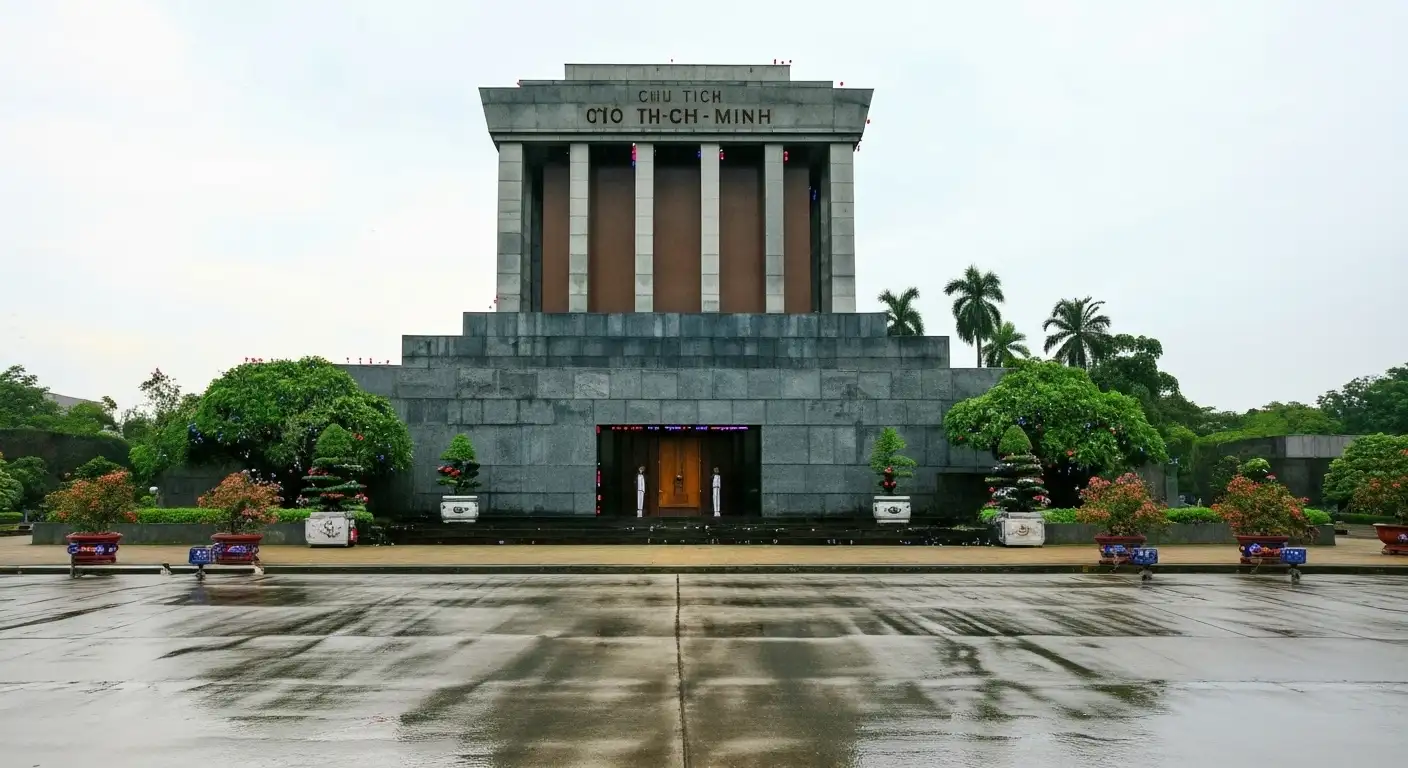
The Ho Chi Minh Mausoleum is the final resting place of Vietnam’s revolutionary leader, Ho Chi Minh. This massive, grey stone structure stands in solemn contrast to the lively city around it.
Respecting the Father of the Nation: Visiting the preserved body of “Uncle Ho” is a highly regimented experience. Visitors must follow a strict dress code (shoulders and legs covered), maintain silence, and walk in single file. It is a powerful display of national devotion.
Complex Details: The surrounding area includes the beautiful Presidential Palace (Ho Chi Minh chose not to live here, opting for a nearby, more modest stilt house), the small, iconic One Pillar Pagoda (a uniquely designed temple), and the Ho Chi Minh Museum which explores his life and work.
Pro Tip: The mausoleum is closed for a seasonal preservation period (usually September to November). Always check the official schedule before planning your 2026 visit to avoid disappointment.
5. Temple of Literature (Văn Miếu – Quốc Tử Giám)
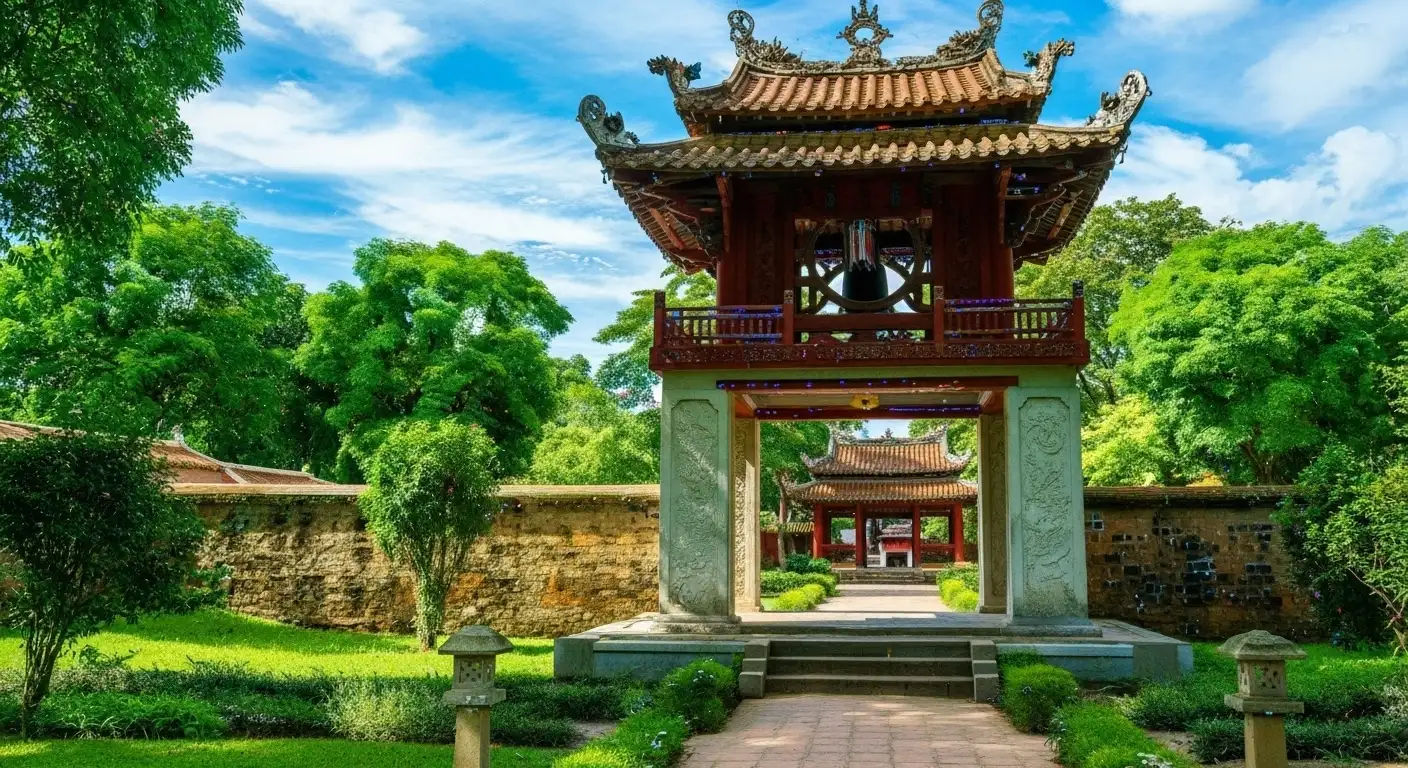
Established in 1070, the Temple of Literature is dedicated to Confucius and his disciples, and housed Quốc Tử Giám, Vietnam’s very first national university. It is a peaceful, beautiful compound that has served as a center for learning for nearly a millennium.
Vietnam’s First National University: The complex consists of five distinct courtyards. The third courtyard is the most famous, featuring the Stelae of Doctors, large stone slabs resting on the backs of giant stone tortoises, inscribed with the names of successful candidates from royal exams dating back to the 15th century.
The Experience: Wander through the meticulously maintained gardens and traditional architecture. It’s a favorite spot for students to take graduation photos, symbolizing good luck for their future careers.
6. Hỏa Lò Prison Museum (The Hanoi Hilton)
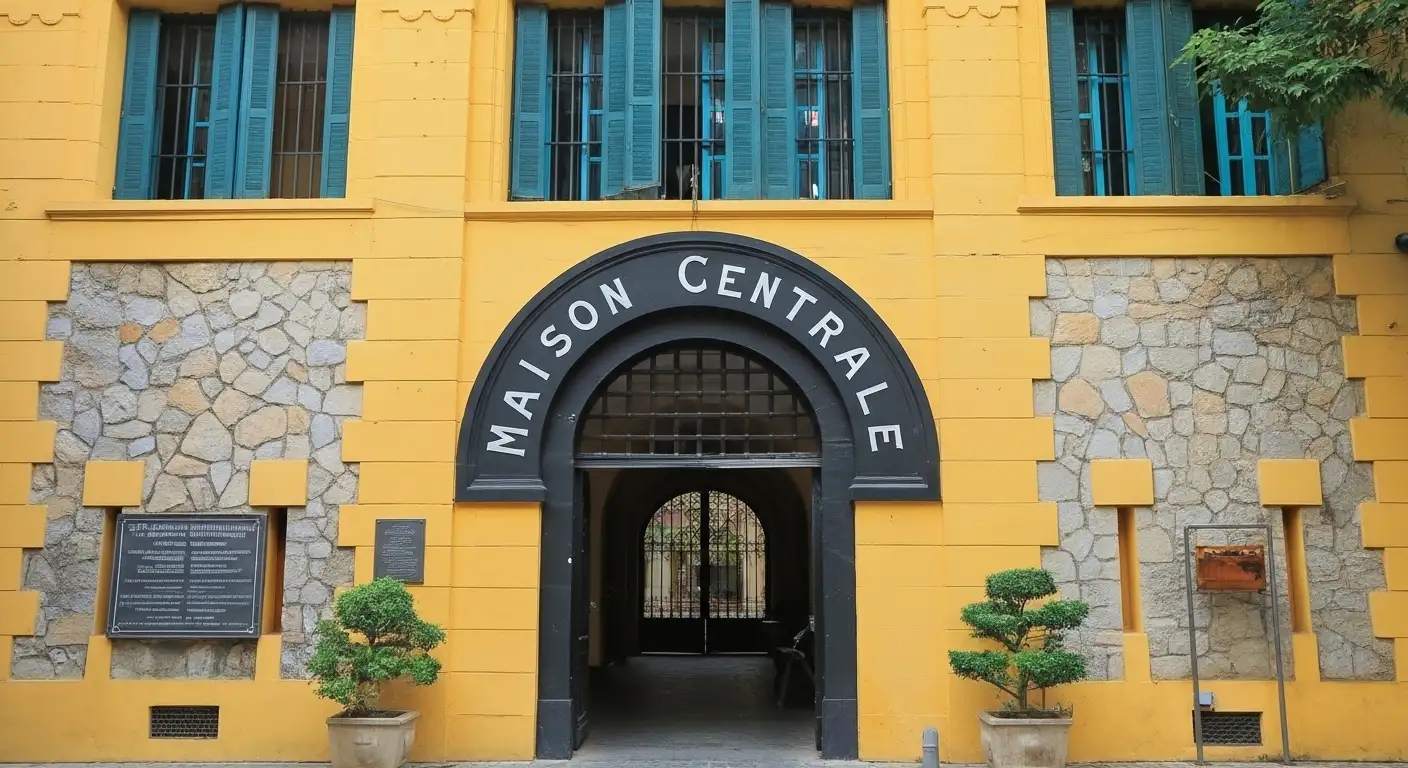
Known infamously by American prisoners of war (POWs) as the “Hanoi Hilton,” Hỏa Lò Prison served a starkly different purpose under French colonial rule.
A Look at Two Wars: The museum is divided into two main narratives. The first, and most expansive, details the brutal conditions and torture inflicted upon Vietnamese political prisoners by the French. The second section covers its use during the American War, generally portraying American POWs being treated with relative courtesy and comfort (a narrative that contrasts sharply with Western accounts).
The Experience: Though only a fraction of the original prison remains, the museum is chilling and thought-provoking. It’s essential viewing for a deeper understanding of Vietnam’s struggle for independence.
Pro Tip: Allocate at least 90 minutes. The original guillotine, used by the French, is a powerful central exhibit.
IV. Immersive Experiences & Food (TOP 7-10)
7. Imperial Citadel of Thăng Long
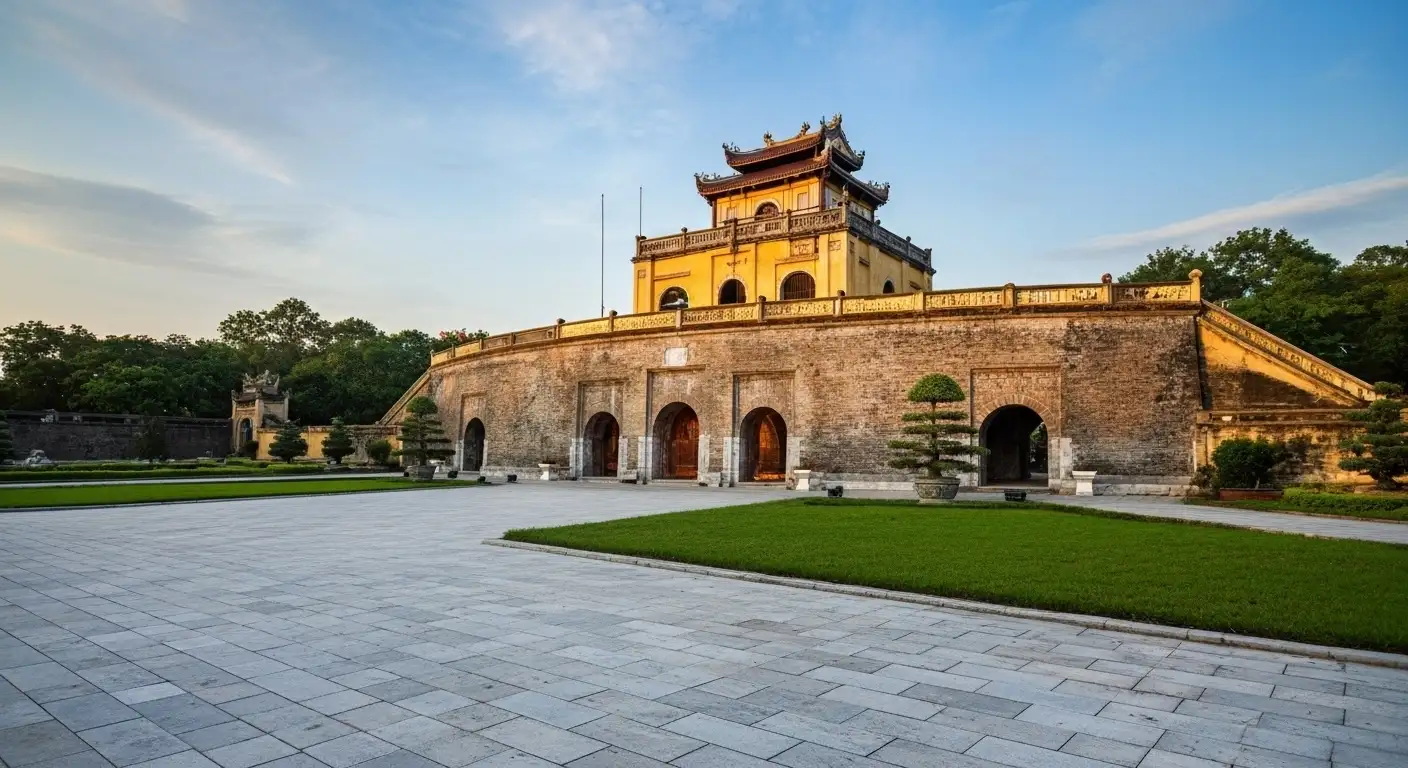
Designated a UNESCO World Heritage Site, the Citadel was the political center of Vietnam for thirteen consecutive centuries, serving as the seat of power for various dynasties.
A Thousand Years of History: Unlike other attractions, the Citadel is a huge archeological site. Visitors can explore the remains of ancient palaces, administrative buildings, and the impressive Kính Thiên Palace foundation.
Must-See: Don’t miss the D67 Tunnel and House, a highly preserved military bunker and command center used by North Vietnamese generals during the American War. The adjacent Flag Tower of Hanoi is one of the few structures that survived destruction during the French conquest.
8. Vietnamese Women’s Museum
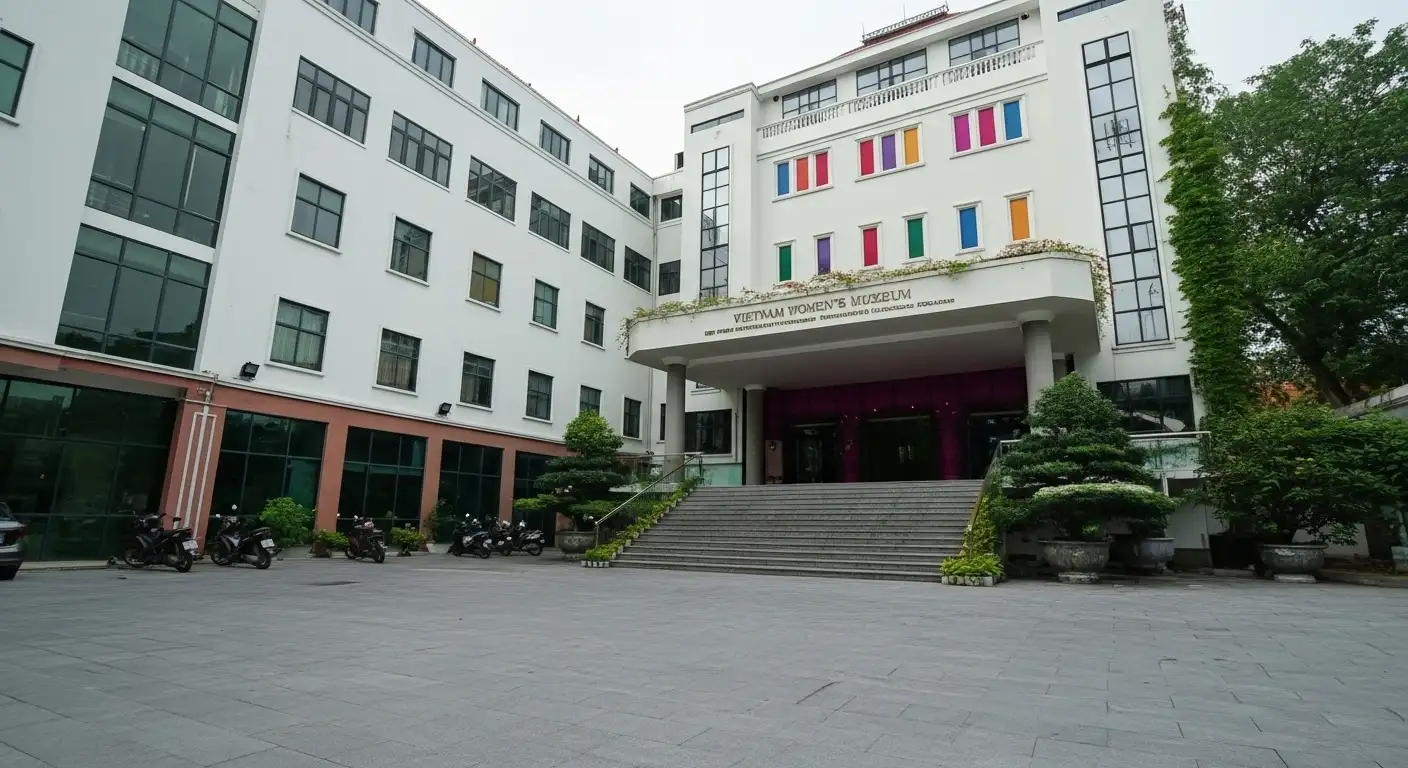
This museum consistently receives high marks from travelers for its engaging, sensitive, and thorough documentation of Vietnamese women’s history and contributions.
Celebrating the Role of Women: The museum covers three main themes: Women in Family, Women in History, and Women’s Fashion and Traditions (ethnic minorities). The most poignant floor is dedicated to the women who served in the military and played key roles in the resistance wars.
Cultural Insight: The extensive collection of vibrant ethnic minority costumes (thổ cẩm) and jewelry is a highlight, offering a rare glimpse into the country’s diverse groups.
9. The World of Hanoi Street Food (Night Market)
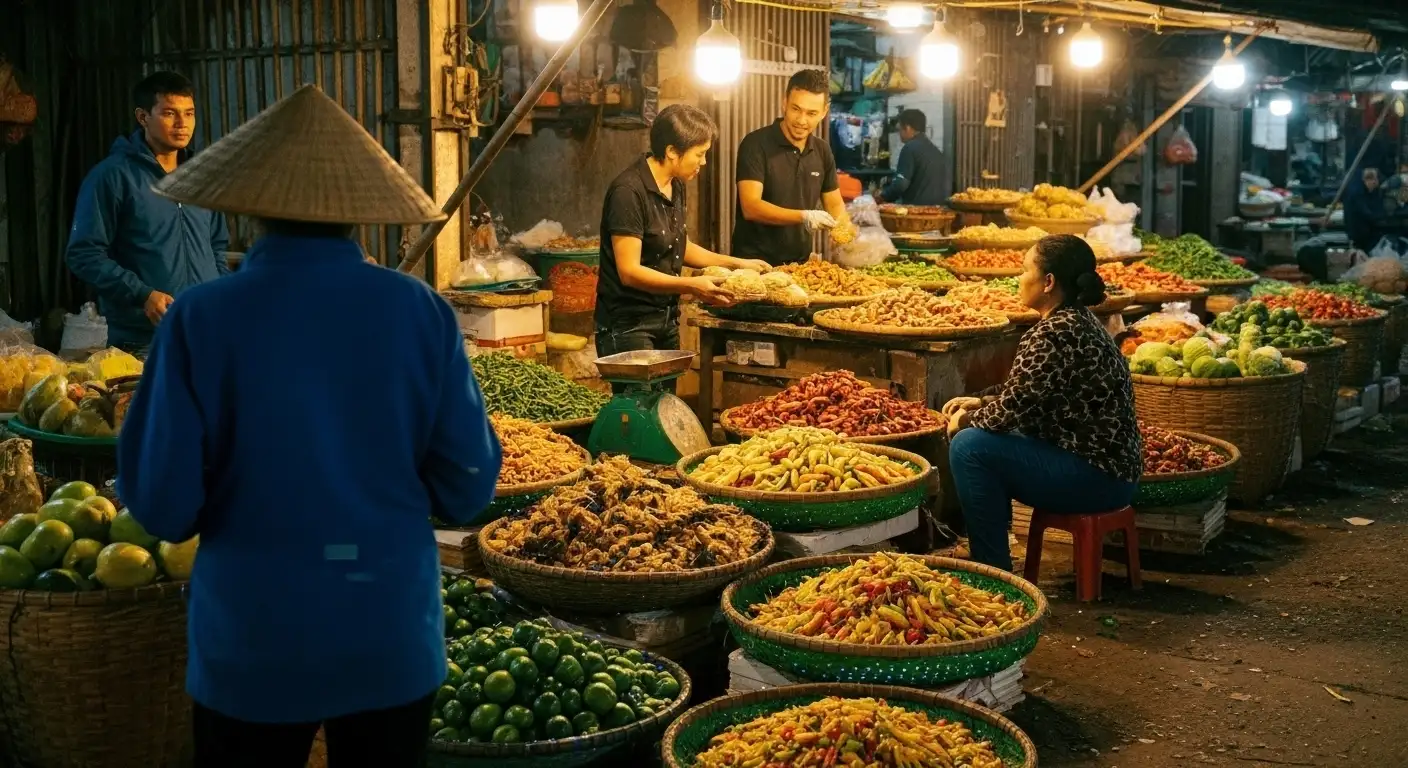
Hanoi is arguably the street food capital of Vietnam, boasting dishes that are unique to the North and essential for any traveler.
Culinary Must-Tries Beyond Phở: While Phở is ubiquitous, Hanoi is famous for:
Bún chả: Charcoal-grilled pork patties and belly slices served in a sweet, sour broth with vermicelli noodles. (Made famous by Anthony Bourdain and Barack Obama).
Chả Cá Lã Vọng: Turmeric-marinated fish fried tableside with dill and spring onions—so iconic, it named the street it originated on.
Egg Coffee (Cà Phê Trứng): A decadent Hanoi invention where a rich egg yolk meringue floats atop strong Vietnamese coffee.
Foodie Tip: For the best atmosphere and authenticity, join a guided street food tour in the Old Quarter or seek out vendors near Hàng Bông Street.
10. Lotte Center Hanoi (Observation Deck)
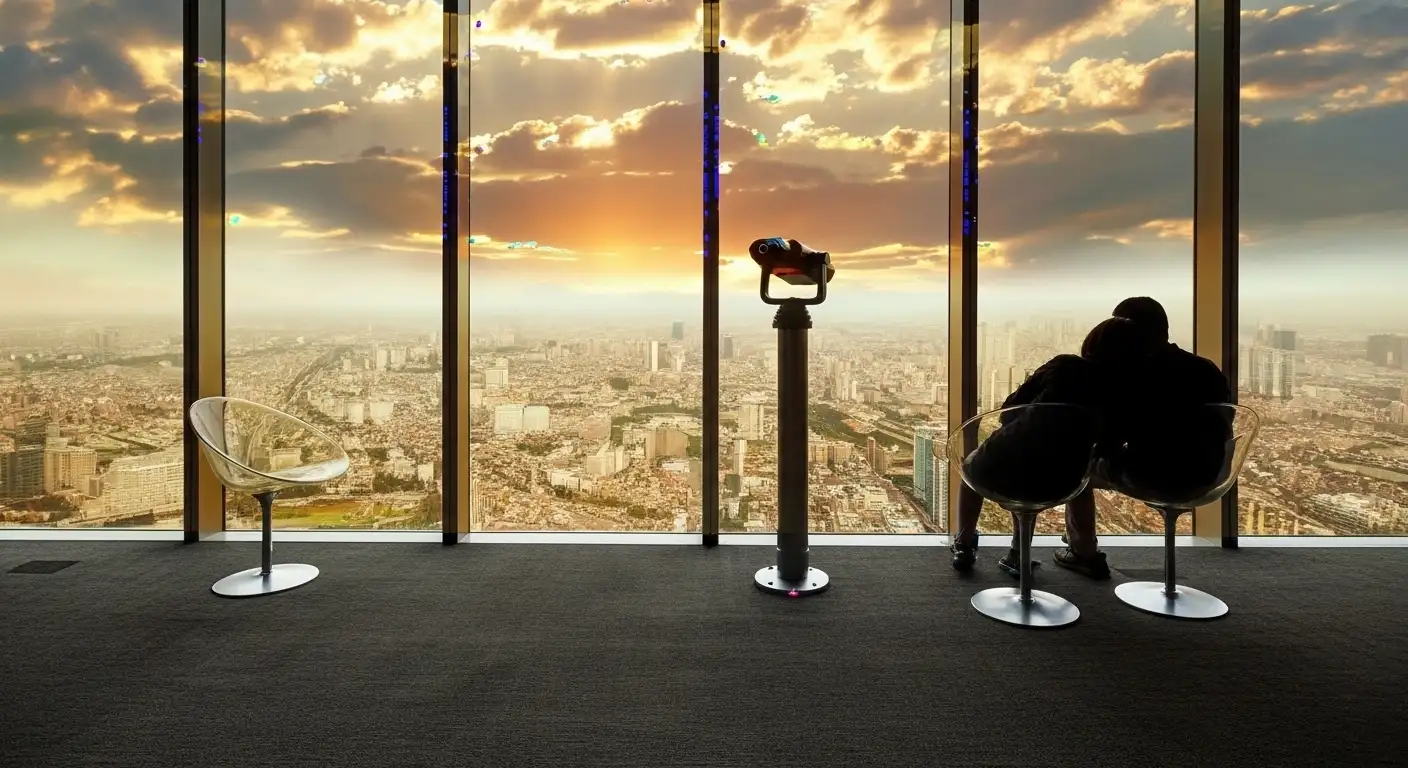
For a true contrast to the ancient Old Quarter, head to the Ba Đình District to visit the Lotte Center, Hanoi’s second tallest skyscraper.
The Modern Contrast: The Observation Deck on the 65th floor provides a stunning, modern panoramic view of the entire city, offering a clearer understanding of Hanoi’s urban sprawl, lakes, and surrounding fields.
Alternative Experience: The Lotte Center is home to excellent shopping and dining. You can visit the Top of Hanoi rooftop bar for a drink and the view without paying the Observation Deck fee.