
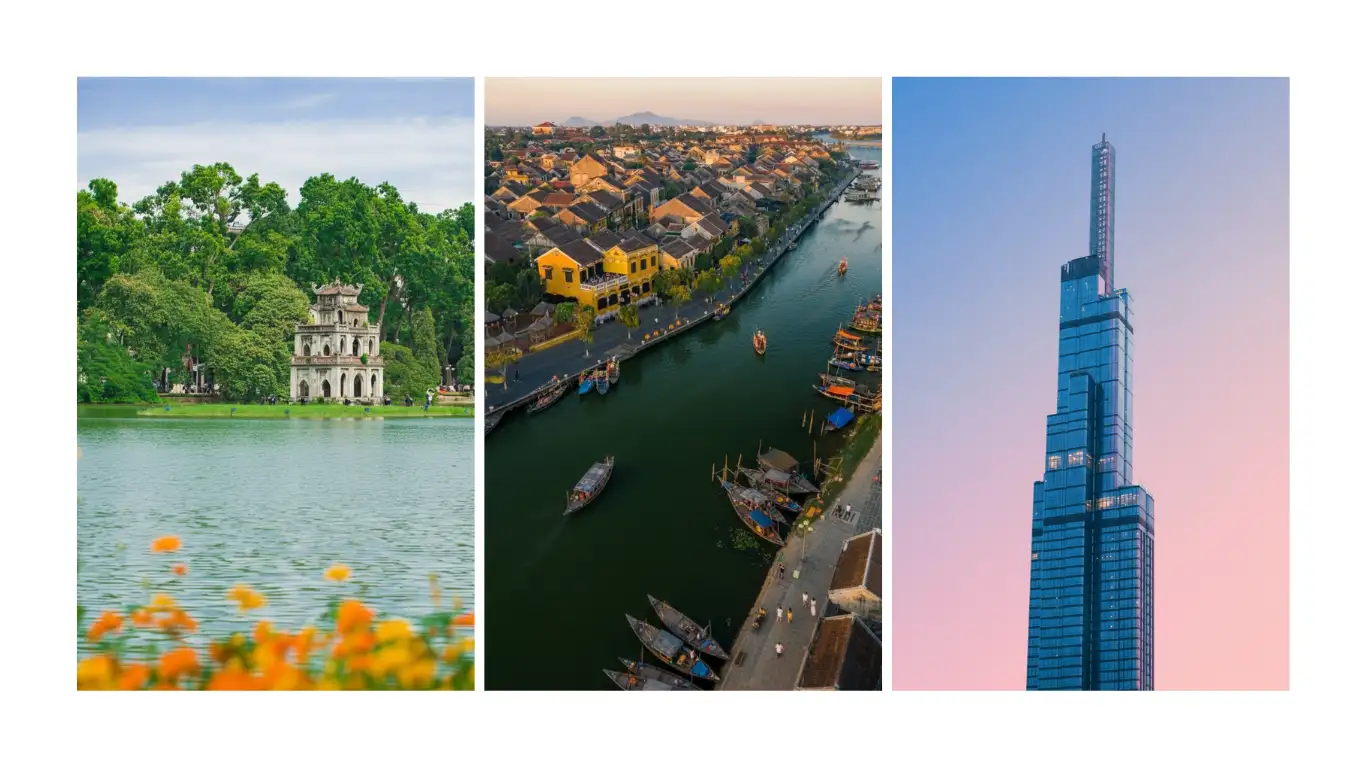
Vietnam is a photographer’s paradise, offering an incredible palette that ranges from the misty mountains of the North to the vibrant, chaotic streets of the South. Capturing the essence of this dynamic country goes beyond snapping a quick photo of a famous landmark; it requires seeking out the right light, finding hidden vantage points, and understanding the rhythm of local life.
This guide reveals the most iconic and some of the best-kept-secret photo locations across Vietnam’s main cities, along with essential tips on how to capture your ‘life shot’ safely and respectfully.
1. Hanoi: History, Chaos, and Hidden Corners
Hanoi offers a unique blend of ancient traditions set against a backdrop of urban movement.
The Iconic Shot: Hanoi Train Street: This narrow residential street, where a live train passes inches from homes and cafes, is world-famous.
Photography Tip: Check the train schedule beforehand (it varies daily) and arrive early. Prioritize safety: Always listen to café owners and locals, and step completely off the tracks when the train approaches. This spot is often partially closed, so check recent local reports.
The Architectural Shot: St. Joseph’s Cathedral: The neo-Gothic cathedral provides a striking backdrop.
Photography Tip: Shoot from the steps opposite the entrance early in the morning for soft light and minimal crowds, capturing the contrast between the Parisian style and the surrounding Vietnamese street life.
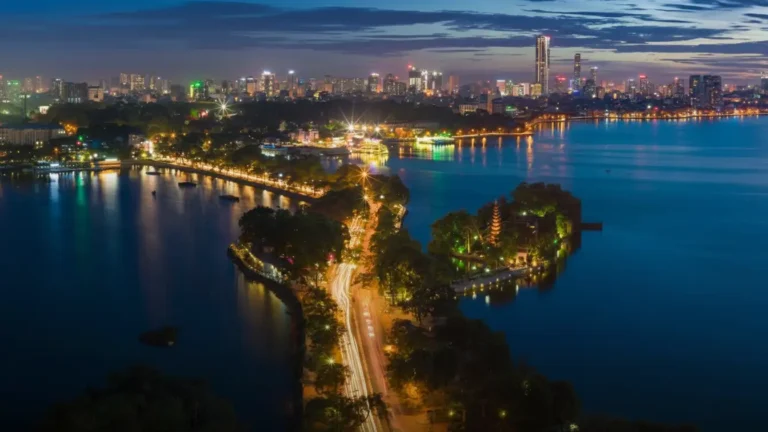
The Hidden Gem: Sunset from West Lake (Hồ Tây): Escape the Old Quarter bustle. The Tay Ho area around West Lake offers beautiful views of the sunset, reflecting vibrant colors over the water.
Photography Tip: Find a spot along the lake’s edge or visit one of the lakeside cafes for a wide, atmospheric shot, especially during the “golden hour.”
2. Ho Chi Minh City (HCMC): Energy and Elevated Views
HCMC is faster, flashier, and offers more opportunities for elevated shots of the urban sprawl.
The Landmark Shot: The Saigon Central Post Office and Notre Dame Cathedral: These stunning colonial buildings are side-by-side.
Photography Tip: Due to ongoing construction (especially on the Cathedral), focus on the grand interior of the Post Office. The arched ceiling and vintage phone booths provide an excellent opportunity for architectural detail and portraiture.
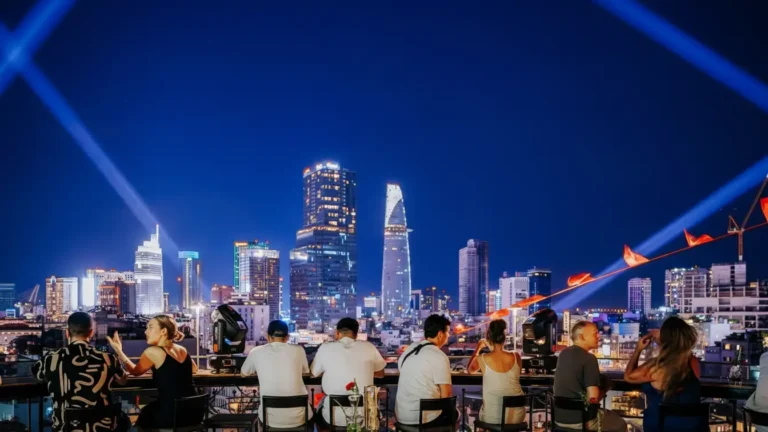
The Panoramic View: Rooftop Bars: HCMC boasts fantastic rooftop bars, perfect for capturing the city’s kinetic energy from above.
Recommended Spots: The Saigon Saigon Rooftop Bar (historical charm) or the observation deck at the Bitexco Financial Tower (modern panorama).
Photography Tip: Use a tripod (if allowed) or stabilize your camera on a ledge for long-exposure shots at night, capturing the stunning trails of motorbike headlights.
The Street Scene: The Motorbike Traffic: To capture the chaos safely, find an elevated pedestrian crossing or a balcony in District 1.
Photography Tip: Set your camera to a fast shutter speed (e.g., 1/250 sec or higher) to freeze the motion, or a slower speed (e.g., 1/30 sec) to create a sense of blur and movement while keeping a central subject sharp.
3. Central Vietnam: Lanterns, Beaches, and Royal Grandeur
The Central region offers diverse photo opportunities, from ancient royal structures to colorful lanterns.
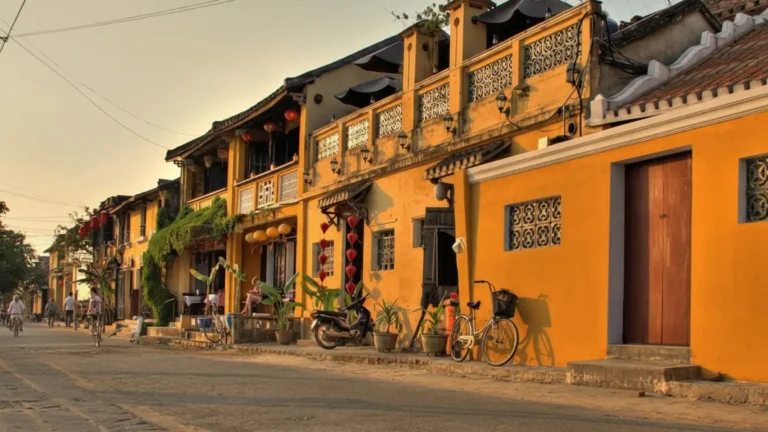
The Romantic Shot: Hoi An’s Old Town at Night: The UNESCO town is illuminated by thousands of colorful silk lanterns.
Photography Tip: The best time is right after sunset (blue hour), before the sky turns completely black. Focus on the Hoai River, where floating paper lanterns are released. Use a moderate aperture (f/4 to f/8) to keep both the lanterns and the background slightly sharp.
The Nature Shot: My Khe Beach (Da Nang): Wide, sandy beaches with the iconic Lady Buddha statue visible in the distance.
Photography Tip: Use the beach’s natural leading lines (like wet sand or a line of palm trees) to draw the viewer’s eye toward the Lady Buddha. Sunrise is typically the best time for soft, colorful light.
The Historical Shot: The Imperial Citadel (Hue): The ancient walls and gates of the former imperial capital are impressive.
Photography Tip: Focus on symmetrical compositions when shooting the Ngo Mon Gate (main entrance) or capture the intricate details of the roof tiles and stonework inside the Forbidden City.
4. Safety and Etiquette in Travel Photography
Capturing stunning photos must always be balanced with respect and safety.
Be Mindful of Privacy: Always ask for permission before taking close-up photos of individuals, especially elderly people or ethnic minority villagers in Sapa. A smile and a simple gesture of pointing at the camera usually suffice. Never take photos of children without their parents’ permission.
The Grab-and-Run Risk: As previously noted, when taking photos near the street, be extremely mindful of snatch-and-grab thieves on motorbikes. Never hang your camera or phone strap toward the road. Step into a doorway or turn your back to a wall.
Respect Sacred Spaces: Avoid climbing on or placing equipment near statues, altars, or sacred artifacts in temples. Turn off your flash in dark, quiet religious areas.
Don’t Block the Flow: In crowded areas like markets or train streets, be quick and aware of the people around you. Don’t block vendors trying to work or locals trying to pass.
By combining an eye for composition with a consciousness for safety and local culture, your Vietnamese photo album will be filled with beautiful, meaningful, and unforgettable images.