
In today’s travel landscape, reliable internet connectivity is non-negotiable. Whether you need Google Maps for navigation, Grab for transport, or just want to share stunning photos of Ha Long Bay, having accessible data is crucial. When planning a trip to Vietnam, travelers face a primary decision: should they purchase a local SIM card or rely on a Pocket Wi-Fi (MiFi) device?
Vietnam boasts excellent and affordable 4G coverage, especially from major providers like Viettel and Mobifone. This guide thoroughly compares the two main connection methods, helping you choose the best option based on your travel style and needs.
1. Option A: The Local SIM Card (The Traveler's Favorite)
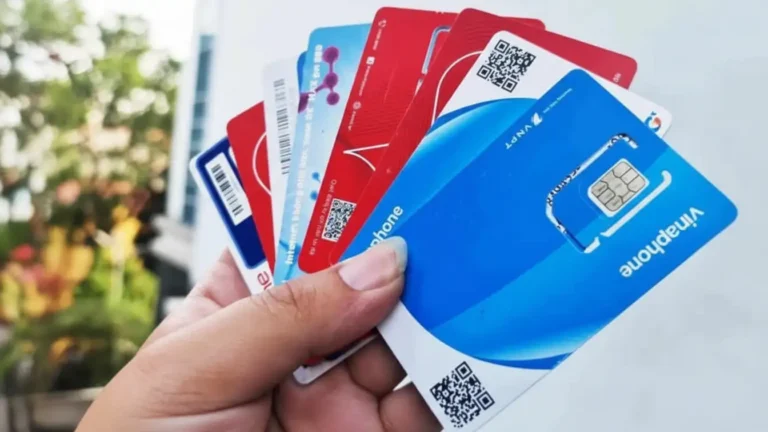
Purchasing a local SIM card is the most common and often the most cost-effective method for individual travelers.
Pros of Using a Local SIM
Cost-Effectiveness: Vietnamese SIM cards are incredibly cheap, offering generous data packages. For example, a 30-day tourist SIM with daily high-speed data (e.g., 4GB/day) often costs between $5 and $15 USD.
Uninterrupted Connectivity: Your phone is always connected without the need to carry an extra device. This is essential for quickly calling a Grab or using maps on the fly.
Local Phone Number: Some tourist SIMs come with a local Vietnamese phone number, which can be useful for making local reservations or contacting hotels.
Best Providers: Viettel generally offers the best coverage, especially in remote areas like Sapa or Ha Giang. Mobifone is another reliable option, particularly in urban centers.
Cons of Using a Local SIM
Single Device Limitation: The data is only available on the phone where the SIM card is installed. Sharing with travel partners requires setting up a Wi-Fi hotspot, which drains the phone battery rapidly.
SIM Swap Hassle: You must temporarily remove your home country’s SIM card, meaning you can’t receive calls or texts to your primary number (unless your phone supports dual SIMs or eSIM).
Initial Setup: Requires a brief stop at the airport counter or a phone shop for registration, which can take 10–20 minutes.
Recommendation for SIM Card Purchase:
Buy your SIM card immediately upon arrival at the airport (Hanoi, HCMC, or Da Nang). Although rates are slightly higher than in the city, the airport kiosks handle the complex registration process quickly and reliably. Ensure your phone is unlocked before you travel.
2. Option B: The Pocket Wi-Fi / MiFi Hotspot
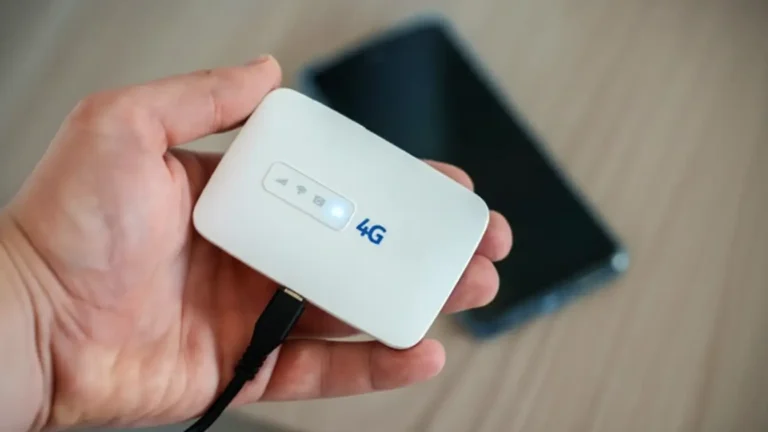
A Pocket Wi-Fi device is a small, portable router that creates a private Wi-Fi network, allowing multiple devices to connect to the internet simultaneously.
Pros of Using Pocket Wi-Fi
Group Sharing: Ideal for groups, families, or couples traveling together, as several phones, tablets, and laptops can connect to one device. This often makes the per-person cost cheaper than buying individual SIMs.
Keep Your Home SIM: You can leave your primary SIM card in your phone to receive essential texts or calls, while using the Wi-Fi for all data needs.
Data Privacy: You are connecting to a private network, which can offer a better sense of security than relying on public Wi-Fi.
Cons of Using Pocket Wi-Fi
Rental Fee and Deposit: Requires a daily rental fee (typically $5–$8 per day) plus a refundable security deposit.
Battery Life: The device is another item you must charge daily and carry around. If the battery dies, all connected devices lose internet access.
Pickup/Drop-off Hassle: You must arrange to pick up the device upon arrival and return it before departure, adding a layer of logistical complexity.
Dependency: If one person carrying the MiFi leaves the group, everyone else loses connectivity.
Recommendation for Pocket Wi-Fi Rental:
This option is best for a small group of 3+ travelers or those who absolutely must keep their home SIM active for business or personal reasons. Pre-booking online from a reputable provider is recommended.
3. The Comparison: SIM vs. Wi-Fi vs. Public Wi-Fi
| Feature | Local SIM Card | Pocket Wi-Fi | Public Wi-Fi (Hotel/Cafe) |
|---|---|---|---|
| Cost | Very Low ($5–$15 for 30 days) | Moderate ($5–$8 daily rental) | Free (usually) |
| Best For | Solo travelers or couples | Groups and families (3+ people) | Casual evening browsing |
| Convenience | Excellent (always with your phone) | Requires carrying and charging an extra device | Spotty, inconsistent, and often slow |
| Security | Private and secure | Private and secure | Low (Avoid banking/sensitive logins) |
| Battery Impact | Drains phone battery slightly | Drains no phone battery (separate device) | Minimal |
4. Final Verdict and Recommendation
For the vast majority of individual travelers and couples, the Local SIM Card is the superior option in Vietnam.
The combination of incredibly low cost, high data allowance, excellent network coverage, and the convenience of having your connectivity built right into your phone makes the local SIM unbeatable for ease and affordability. Simply ensure your phone is unlocked before you leave home.