

Vietnam’s immense length and diverse topography mean that it experiences three distinct regional climates. Consequently, there is no single “best time” to visit the entire country. The optimal time for your trip depends entirely on which region you prioritize and what your main travel goal—be it a relaxing beach vacation, cultural sightseeing, or challenging mountain trekking—is.
This comprehensive guide will break down the regional weather patterns, pinpoint the best times for specific activities, and provide essential packing tips for the wet and dry seasons.
1. Decoding Vietnam's Three Climatic Zones
Understanding the difference between the North, Central, and South is the first step in planning your travel dates.
A. The North (Hanoi, Ha Long Bay, Sapa)
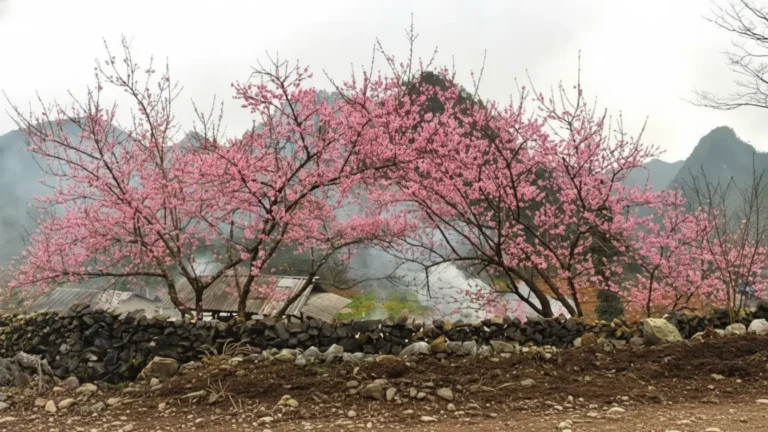
The North is the only region with four distinct seasons, although the winter is short and the summer is long and intense.
Dry/Cool Season (October – April): This is generally considered the best time. October to December offers crisp, clear skies and comfortable temperatures (averaging 17°C–22°C), ideal for exploring Hanoi and Ha Long Bay. January and February are the coldest months; temperatures can drop to 10°C or lower, and Sapa can experience frost.
Wet/Hot Season (May – September): High heat and humidity dominate. Heavy rainfall and thunderstorms are common, which can occasionally affect visibility in Ha Long Bay and make trekking trails muddy.
B. The Central Region (Da Nang, Hoi An, Hue)
The Central Coast has a unique climate, often peaking when the rest of the country is in transition.
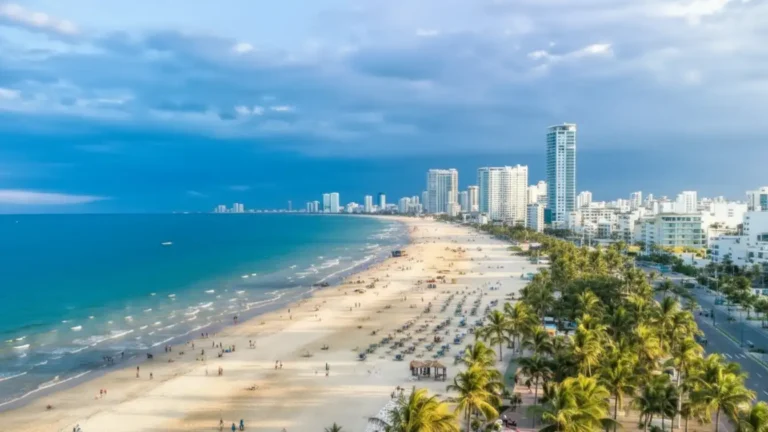
Dry/Hot Season (January – August): This is the prime time for beach lovers. February to May offers the most pleasant conditions—sunny, warm, and low rain. Temperatures peak from May to July, often hitting the mid-30s°C.
Wet/Typhoon Season (September – December): This period brings heavy rainfall, with October and November being the peak typhoon months. Flooding is common in low-lying areas, particularly in Hoi An and Hue. Travel during this time is generally advised against.
C. The South (Ho Chi Minh City, Mekong Delta, Phu Quoc)
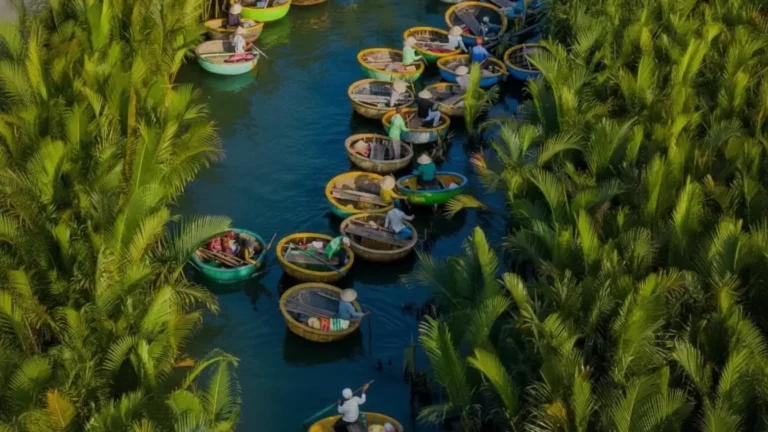
The South is tropical year-round, characterized only by two seasons: dry and wet, with minimal temperature fluctuation.
Dry Season (December – April): Hot, sunny, and dry. This is peak season for tourism. December to February offers the most comfortable temperatures (around 26°C), perfect for exploring Ho Chi Minh City and relaxing on Phu Quoc’s beaches.
Wet Season (May – November): Hot and humid. Rain usually falls in short, heavy afternoon downpours (monsoons/skolls), often lasting an hour or two before the sun reappears. While the rain doesn’t typically disrupt sightseeing for long, it makes the air heavier.
2. Choosing Your Adventure: Best Times Based on Purpose
To streamline your planning, here are the most recommended windows based on what you want to achieve on your trip.
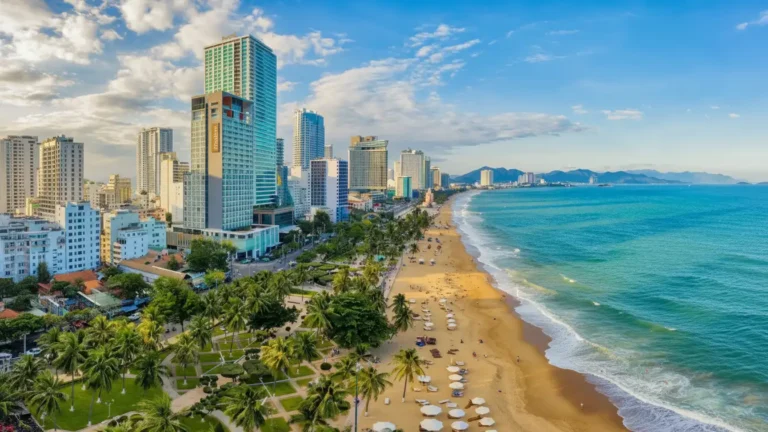
Purpose 1: Beach and Resort Vacation (Da Nang, Phu Quoc, Nha Trang)
Recommended Time: December to May
South: December to April is the dry season—ideal for clear skies, calm waters, and island hopping in Phu Quoc.
Central: January to May offers perfect beach weather for Da Nang and Hoi An, avoiding the typhoon risk.
Avoid: Central Vietnam (September-November) and Southern Vietnam (June-October) due to heavy rain and storms.
Purpose 2: Cultural Sightseeing and City Exploration (Hanoi, HCMC, Hue)
Recommended Time: October to April
Why: Urban exploration is best done when temperatures and humidity are lower. The North enjoys its cool, dry period, and the South is in its most comfortable dry season. Hue and Hoi An are accessible and warm during the start of this window (Feb-Apr).
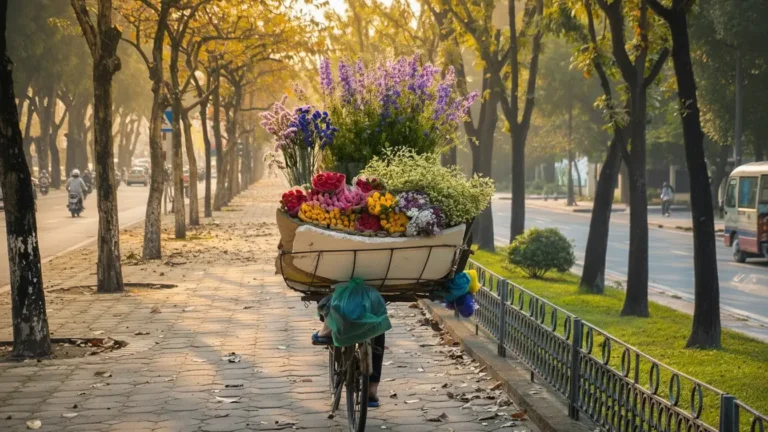
Tip: If visiting Hanoi, aim for October-November for the most pleasant weather known as “Hanoi Autumn.”
Purpose 3: Trekking and Mountain Exploration (Sapa, Ha Giang)
Recommended Time: September to November (Autumn) & March to May (Spring)
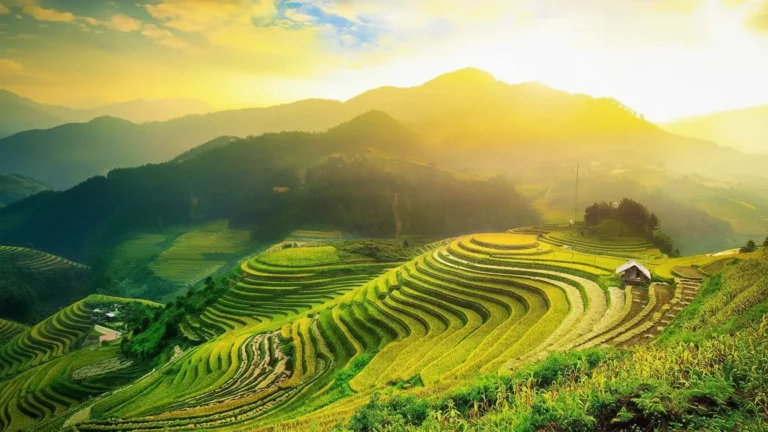
Autumn (Sept-Nov): This is the golden window. The rice terraces in Sapa and Mu Cang Chai are often golden and ready for harvest. The weather is cool, dry, and perfect for long hikes.
Spring (Mar-May): Temperatures rise, and the misty skies often clear, offering excellent visibility and blooming landscapes without the intense summer heat.
Avoid: Mid-winter (Dec-Feb) due to cold and heavy mist, and summer (Jun-Aug) due to heavy rains that turn trails slick and dangerous.
3. Notable Festivals and Events
Timing your trip around a major festival can be a deeply rewarding experience, though it requires meticulous planning as domestic travel skyrockets and prices inflate.
| Event | Approximate Date | Region | Impact on Travel |
|---|---|---|---|
| Tết Nguyên Đán (Lunar New Year) | Late Jan or Feb | Whole Country | Highest Impact. Most businesses close for up to a week. Book transport/hotels months in advance. Experience family traditions and vibrant flower markets. |
| Hue Festival | Biennial (Usually April/May) | Hue (Central) | Major cultural event celebrating imperial history. Crowds increase, but a must-see for culture lovers. |
| Hoi An Lantern Festival | 14th day of every lunar month | Hoi An (Central) | A beautiful, monthly event where all electric lights are turned off and thousands of silk lanterns illuminate the river and streets. |
| National Day | September 2nd | Whole Country | Celebrations and parades, particularly large in Hanoi and HCMC. Expect busy domestic travel. |
4. Essential Packing Tips: The Dry vs. Wet Season Toolkit
Packing smartly is crucial, given Vietnam’s high humidity levels.
| Season | Key Feature | Essential Gear |
|---|---|---|
| Dry Season | Intense sun, heat, strong UV | High-SPF sunscreen, wide-brimmed hat, sunglasses, light moisture-wicking clothes (for heat), light jacket/thermal layers (for Northern winter). |
| Wet Season | High humidity, heavy afternoon showers | Lightweight rain jacket/poncho, waterproof backpack cover, insect repellent (bugs thrive in humidity), quick-drying footwear (sandals/waterproof shoes), sealable bags for electronics. |
In conclusion, while the shoulder seasons of March-April and October-November generally offer the best overall weather across the country for a comprehensive North-to-South trip, the ideal choice is always dictated by your itinerary’s focus. Plan based on your primary destination’s dry season, and you will secure the best possible conditions for your Vietnamese adventure.