
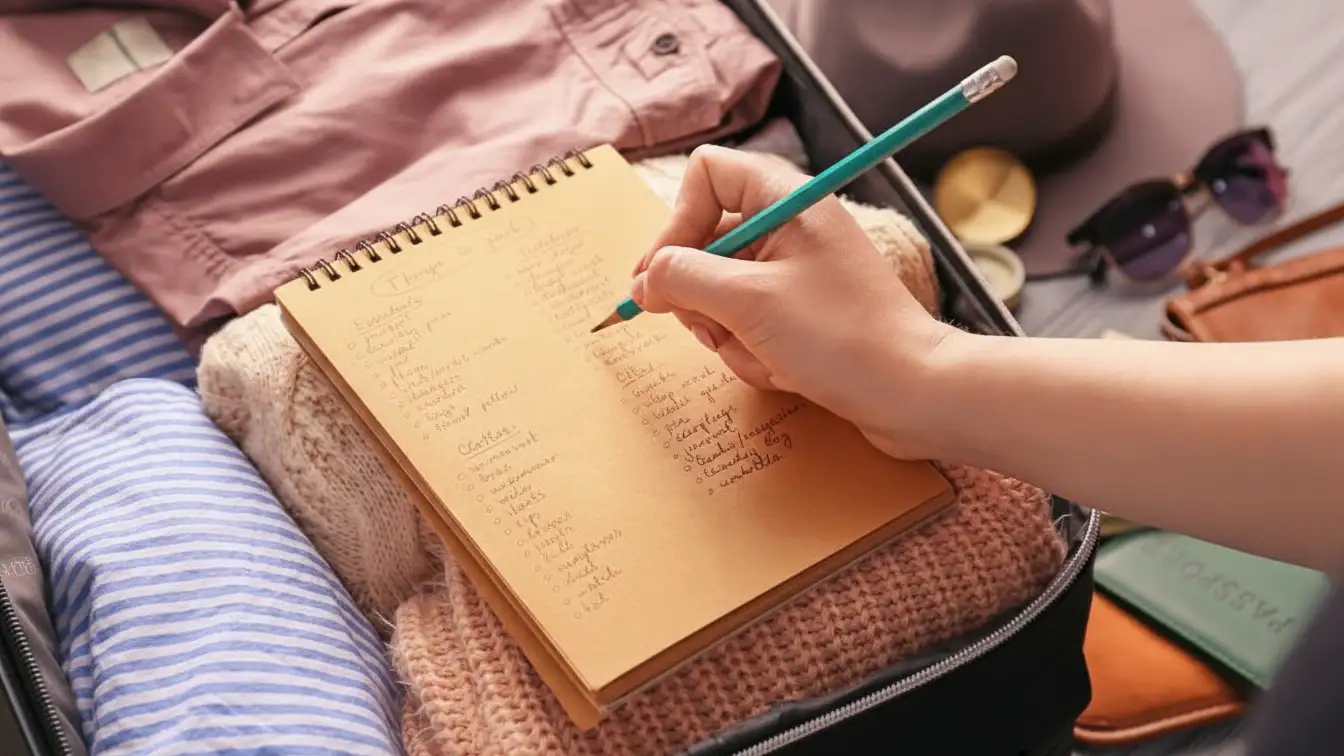
Packing for Southeast Asia, and Vietnam in particular, requires a strategy distinct from preparing for a temperate climate trip. The region’s high humidity, intense sunlight, and variable urban-to-remote environments mean that the right gear—especially lightweight, quick-drying clothing and specific health items—can make the difference between a comfortable adventure and a sweaty struggle.
This guide provides a comprehensive packing checklist, focusing on essentials you absolutely must bring and smart tips for maximizing space and preparedness.
1. Clothing: Beat the Heat and Humidity
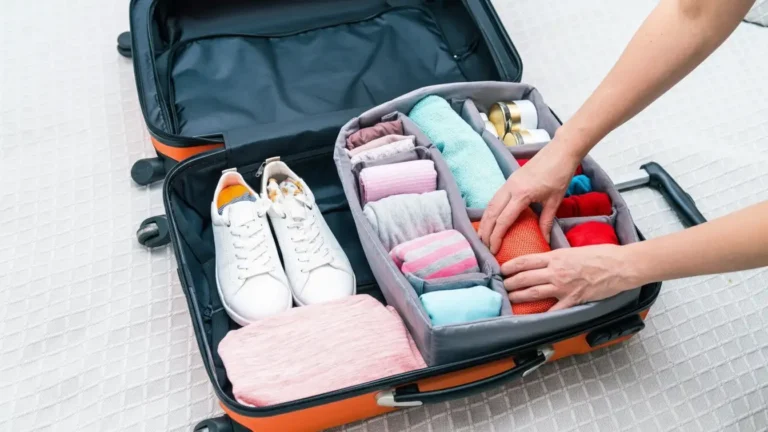
The key to dressing in Vietnam is embracing lightweight, breathable, and quick-drying fabrics. Avoid heavy cottons, which retain moisture and take ages to dry.
Lightweight, Breathable Tops: Pack moisture-wicking materials like linen, rayon, or synthetic blends. T-shirts and tank tops are staples.
Bottoms: Shorts, skirts, and lightweight trousers (like chinos or quick-dry trekking pants) are ideal. Long, loose trousers are excellent for temple visits, sun protection, and keeping mosquitos away in the evening.
Footwear Essentials:
Walking Shoes/Sneakers: Comfortable, broken-in shoes for city exploration (Hanoi, HCMC).
Quick-Drying Sandals/Flip-Flops: Absolutely essential for beaches, hotel rooms, and navigating sudden downpours.
Trekking Boots (Optional): Only necessary if you plan extensive, multi-day trekking in Sapa or Ha Giang. Otherwise, sturdy sneakers suffice.
Outerwear: A light rain jacket or poncho (especially if traveling during the wet season) and a light cardigan or wrap for chilly air-conditioned buses and planes.
Formal/Modest Wear: Bring one or two modest outfits (covering shoulders and knees) for visiting temples, pagodas, and historical sites like the Imperial Citadel in Hue.
2. Health and Hygiene: Must-Haves for the Tropics
These items are difficult or more expensive to find locally or are tailored specifically to your needs.
Sun & Bug Protection (Crucial Local Essentials)
High-SPF Sunscreen: The sun is incredibly strong, even on cloudy days. Bring a broad-spectrum sunscreen (SPF 30+) and reapply often.
Hat and Sunglasses: A wide-brimmed hat is non-negotiable for daytime sightseeing and preventing heatstroke.
Insect Repellent (DEET Recommended): Mosquitos are prevalent year-round, especially during the wet season and near the Mekong Delta. A repellent containing DEET or Picaridin is highly effective and essential for preventing insect-borne illnesses.
After-Bite Cream: For treating inevitable insect bites.
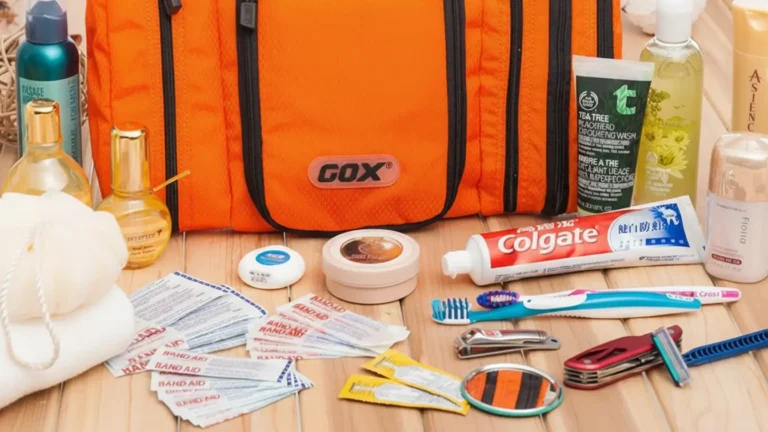
Personal Care and Pharmacy
Personal Medications: Bring an adequate supply of any prescription medications in their original packaging, along with a doctor’s note, just in case.
Basic First Aid/Med Kit:
Pain relievers (e.g., Ibuprofen)
Antidiarrheal medication (e.g., Imodium) – often needed due to new food and water.
Antihistamines (for allergies and insect bites)
Band-Aids, antiseptic wipes, and hydrocortisone cream.
Hand Sanitizer and Wipes: Street food is amazing, but hygiene can be spotty. Keep your hands clean before every meal.
3. Tech and Electronics: Stay Charged and Connected
While most large cities have modern infrastructure, a few simple items will ensure you never run out of power or connectivity.
Universal Travel Adapter: Vietnam uses the Type A (two flat parallel pins) and Type C/F (two round pins) sockets, with voltage at 220V. A universal adapter is the easiest solution.
Power Bank/Portable Charger: Invaluable for long bus rides, day tours, or when you rely on your phone for navigation (Grab/Google Maps).
Waterproof Phone Case/Dry Bag: Essential protection for your electronics on boat trips (Ha Long Bay, Mekong Delta) or during unexpected downpours.
Unlocked Smartphone: Crucial for purchasing a local SIM card (Viettel, Mobifone) upon arrival, which offers cheap and reliable data for maps and calling Grabs.
4. Miscellaneous Items: The Smart Traveler's Toolkit
These are the small things that significantly improve your comfort and travel efficiency.
Reusable Water Bottle: Help reduce plastic waste. Many hotels and cafes offer filtered water refills.
Small Towel/Quick-Dry Towel: A fast-drying microfiber towel is lighter and far more convenient than a standard cotton towel.
Headlamp/Small Flashlight: Useful for walking down dark alleys, early morning hikes, or during rare power outages.
Cable Lock: A small padlock is great for securing zippers on your daypack or locking up your belongings in a hostel locker.
Photocopies/Digital Copies: Keep copies of your passport, visa, and hotel confirmations stored separately from the originals (and backed up on the cloud).
Tissues/Toilet Paper: Public restroom facilities, particularly outside of major tourist areas, often lack toilet paper. Carrying a small packet is a smart move.
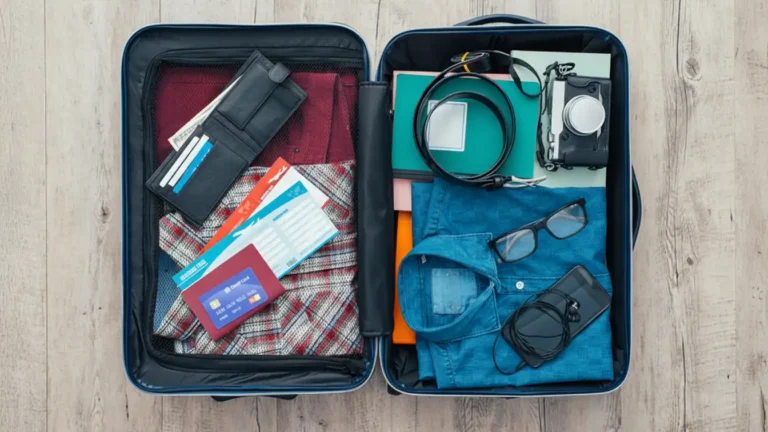
5. Smart Packing Tips for Southeast Asia
Roll, Don’t Fold: Rolling your clothes saves space and minimizes wrinkles in lightweight fabrics.
Pack Light: You will likely buy inexpensive, lightweight clothing in Vietnam (especially in Hoi An). Leave space in your bag! Dragging a heavy suitcase through humid streets is exhausting.
The Daypack Rule: Always keep your most valuable items (passport, money, essential medications, electronics) in a small, lockable daypack that stays with you on buses, planes, and tours.
Currency Split: Divide your cash and credit cards between your wallet, your daypack, and your main luggage to mitigate risk in case of loss or theft.
By following this checklist and prioritizing lightweight protection from the sun and rain, you’ll be fully prepared to enjoy the incredible sights and sounds of Vietnam without being weighed down by unnecessary bulk.