
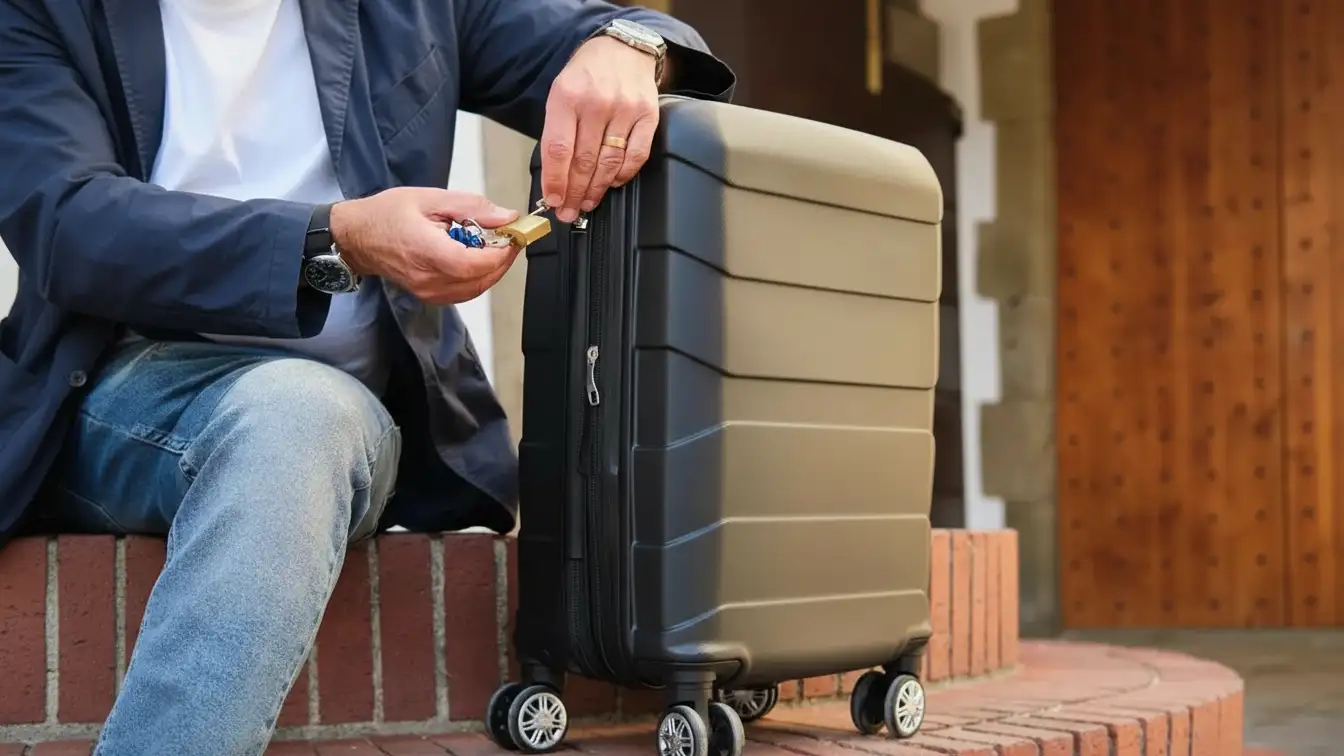
Vietnam is a welcoming country, but like any vibrant, developing destination, it operates by a different set of social rules and requires a unique awareness of safety risks. Successfully navigating Vietnam isn’t just about seeing the sights; it’s about understanding the unspoken rules of the road and showing respect for local culture and customs.
This guide provides crucial cultural etiquette and practical safety tips—from mastering the motorbike crossing to preventing common tourist scams—to ensure your trip remains enjoyable and respectful.
1. Mastering the Art of Traffic (The Motorbike Maze)
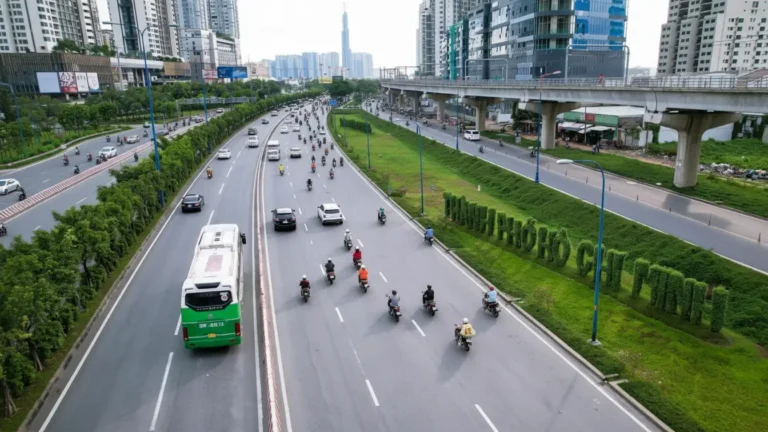
The sheer volume of motorbikes in Vietnamese cities can be overwhelming. Crossing the street may look impossible, but it follows an unspoken, organized chaos.
The Golden Rule: Walk Slow and Predictably: Never try to run, dart, or suddenly stop. The flow of traffic is designed to move around you. Start walking slowly and steadily across the street. Drivers will see your movement and adjust their speed and trajectory to avoid you.
Eye Contact is Key: Maintain soft eye contact with approaching riders. This helps them anticipate your path and signal that you see them.
Use Locals as Shields: If you’re nervous, wait for a local or a group of locals to cross and join their steady pace.
Avoid Sudden Moves: If you panic and jump backward, you create an unpredictable variable, which is dangerous. Maintain your slow, forward pace until you reach the other side.
2. Cultural Etiquette: Show Respect
Demonstrating respect for local customs is highly appreciated and will enhance your interactions with Vietnamese people.
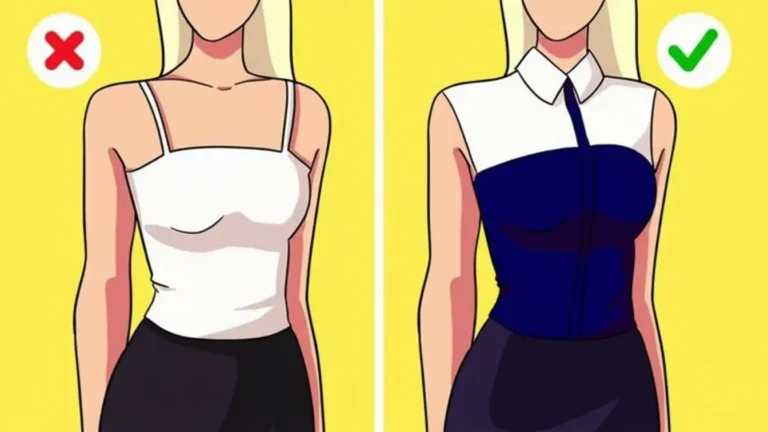
Dress Modestly at Temples and Pagodas: When visiting religious sites, always cover your shoulders and knees. This applies to both men and women. Keep a lightweight scarf or sarong handy in your daypack for instant coverage.
Use Both Hands: When giving or receiving money, gifts, or important items, use two hands. This is a common sign of respect throughout Asia.
Respect Elders: Respect for elders is paramount in Vietnamese culture. Addressing elders formally or speaking softly to them is always advisable.
3. Essential Safety and Crime Prevention
Vietnam is generally a very safe country for tourists, but petty crime, particularly targeting distracted foreigners, is common in major cities like Hanoi and Ho Chi Minh City.
Guarding Against Pickpockets and Bag Snatching
The Snatch-and-Grab Risk: Motorbike riders frequently target distracted tourists for phone or bag snatching. Never hold your phone or camera near the street curb. If using Google Maps, step into a doorway or away from traffic.
Wear Bags Across Your Body: Use a cross-body strap for bags and cameras, worn with the main pouch facing away from the road.
Keep Valuables Secure: Only carry essential cash for the day. Keep passports, extra cash, and credit cards secured in a money belt or locked in your hotel safe.
Be Wary of “Spill” Scams: If someone bumps into you or “accidentally” spills something on you, be immediately suspicious. This is often a distraction technique while an accomplice attempts to pickpocket you.
Transport and Taxi Scams
Using Grab: As explained in detail in our app guide, Grab (both car and motorbike services) is the safest and most convenient transportation option in Vietnam. Fares are fixed in advance and your journey is tracked via GPS, helping you avoid overcharging and ensuring a smooth ride.
Reputable Taxis: If you choose to take a traditional taxi, always opt for well-known and trusted companies such as Vinasun (white cars with green/red stripes) or Mai Linh (green and white cars). Avoid unbranded taxis or vehicles without clear company logos, as they may not follow standard pricing or safety regulations.
Emergency Help in Vietnam
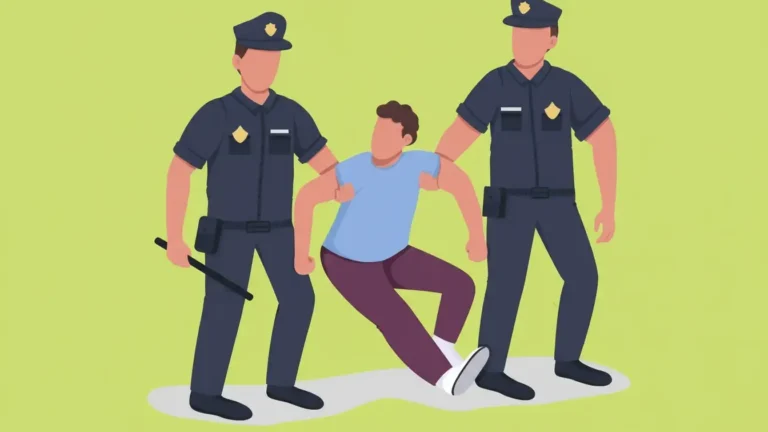
In case of an emergency or any situation you cannot handle or control on your own while traveling in Vietnam, don’t panic. You can visit the nearest local police station to receive prompt assistance. Vietnamese authorities are generally helpful and ready to support travelers with professionalism and care.
It is also highly recommended to remember the emergency contact numbers in Vietnam:
- 114 – Fire Department
- 113 – Police emergency response
- 115 – Emergency medical services
- 111 – National child protection hotline
- 112 – Search and rescue assistance
If remembering all five numbers feels overwhelming, simply memorize one of them to ask for help in any emergency situation. The operators will coordinate and dispatch the appropriate services to assist you. Among these, 113, 114, and 115 are the most commonly used emergency numbers in Vietnam.
Being prepared with this basic information can help ensure a safer and more worry-free travel experience.
4. Health and Environment Awareness

Hydration and Heat: Vietnam is hot and humid. Drink plenty of bottled water (tap water is not safe to drink) and limit direct sun exposure during the hottest parts of the day (11 AM – 3 PM).
Food Safety: While street food is incredible, choose stalls that are busy and appear clean. High turnover means the food is fresh. Avoid cut fruit or vegetables that have been sitting out for a long time.
Noise and Sleep: Vietnamese cities are loud, particularly with motorbike horns starting early. If you are a light sleeper, consider bringing earplugs or booking accommodation on a higher floor away from street-facing rooms.
Be Aware of Dogs: While most dogs are harmless, some stray dogs can be found in rural areas. Maintain distance and avoid direct contact.
By being mindful of your belongings, respectful of the culture, and predictable in traffic, you will navigate Vietnam safely and enjoyably, transforming potential worries into unforgettable memories.