

Modern travel in Vietnam is dramatically streamlined by a handful of essential smartphone applications. These apps not only enhance convenience but also provide crucial layers of safety, transparency, and cost savings—particularly when it comes to transportation and payments. Forget haggling over taxi fares or struggling with cash; mastering Grab and ZaloPay is the key to navigating Vietnam like a local.
This comprehensive guide breaks down the must-have apps for your Vietnam journey and provides actionable tips on how to use them safely and efficiently.
1. The Transportation King: Grab (Taxi and Motorbike)
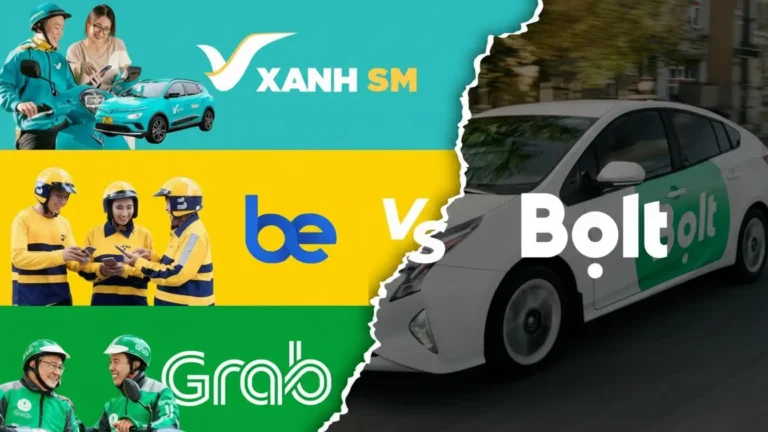
Grab is the undisputed champion of transportation in Vietnam, functioning as an indispensable ride-hailing, food delivery, and package delivery service all rolled into one. Using Grab eliminates the stress of negotiation and ensures safety and fair pricing.
Haggle-Free and Safe Rides
Transparent Pricing: The biggest advantage of Grab is that the fare is calculated and displayed upfront in the app, meaning there is absolutely no need to haggle with the driver. You agree to the price before the ride starts.
Safety First: Grab tracks the entire journey via GPS, linking your ride directly to your profile. This is crucial for safety, especially if traveling alone or late at night. You can easily share your trip status with friends or family.
GrabBike vs. GrabCar:
GrabBike: The cheapest, fastest, and most authentic way to move through city traffic. Ideal for solo travelers and short distances. Note: Only recommended if you are comfortable riding on the back of a motorbike in heavy traffic.
GrabCar: Standard car taxi. Best for groups of 3–4, travelers with large luggage, or those who prefer air-conditioned comfort.
Usage Tips for Grab
Pinpoint Your Location: Use the map function to set your exact pick-up point, especially in confusing Old Quarter alleys. Sometimes, selecting a nearby major landmark (e.g., a hotel lobby or cafe) works better.
Learn Simple Phrases: Although the app handles the address, a simple “Hello” (Xin chào) and “Thank you” (Cảm ơn) goes a long way. Use the app’s chat function for communication if needed.
Cash or Card: You can link a credit card, but paying with cash (VND) is still widely preferred by drivers and guarantees a quick exit upon arrival.
2. The Payment Innovator: ZaloPay (and other Mobile Wallets)
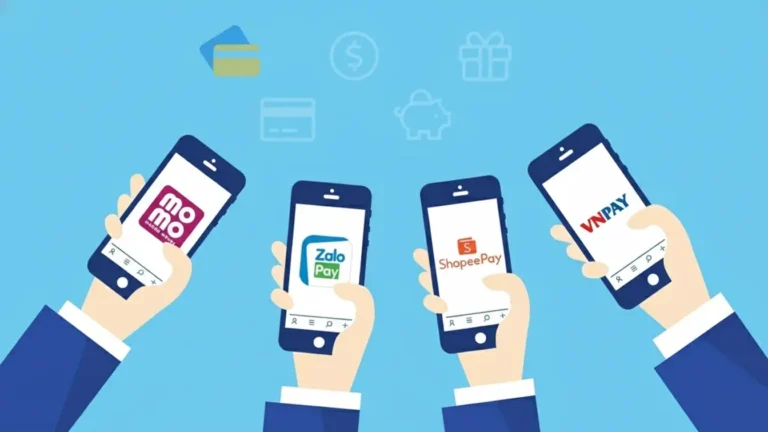
Vietnam is rapidly becoming a cashless society, primarily driven by QR code payments. While credit cards are accepted in high-end hotels and large restaurants, local markets, street vendors, and small cafes often rely on mobile wallets. ZaloPay is one of the most prominent, alongside MoMo and ViettelPay.
Why Go Mobile?
Hygiene and Speed: No fumbling with cash or worrying about receiving accurate change—transactions are instantaneous.
Wider Acceptance: While you might not carry enough small VND bills for a $2 Bánh mì, the vendor will almost certainly accept a QR code payment.
Local Integration: ZaloPay is often integrated with Zalo, Vietnam’s most popular messaging app (similar to WhatsApp or Line), making it widely accepted across the country.
Usage Tips for Mobile Payment
Setup Before You Go: Download and set up the app while you still have access to reliable internet and can link your international card (though linking may sometimes be complicated).
Load Funds Locally: The easiest way to use these apps is often to link them to a Vietnamese bank account or top them up with cash at a local convenience store, which is easier for short-term tourists.
Look for the QR Code: Always look for the distinct QR code sticker (often displayed on a sign near the cash register or on a vendor’s phone) to initiate payment.
3. Seamless Communication: Translation Apps
While many people in tourist centers speak basic English, venturing outside these areas, or dealing with Grab drivers and market vendors, necessitates a reliable translation tool.
Google Translate – The Essential Toolkit
Google Translate remains the gold standard, offering several indispensable features for Vietnamese travel:
Offline Translation: Crucial. Download the Vietnamese language pack before your trip. This allows you to translate phrases even without Wi-Fi or mobile data access.
Conversation Mode: Use the microphone feature to allow you and a local to speak directly, facilitating a near real-time two-way translation.
Camera Translation: Use the camera function to instantly translate text in menus, street signs, or product labels. This is a game-changer for navigating local menus.
Usage Tips for Translation
Keep it Simple: Use short, simple sentences when speaking into the translator. Avoid slang or complex idioms, as they often confuse the translation engine.
Be Patient: Show the person you are communicating with what you are doing. A smile and a gesture of “please wait” go a long way in ensuring patience while the translation loads.
4. Navigation and Planning Apps
Beyond transport and payments, two other apps are invaluable for daily exploration.
Google Maps: The most reliable tool for walking, driving, and public transport navigation. Crucial for showing Grab drivers exactly where you need to go.
Maps.me (Offline Maps): An excellent alternative to Google Maps, as it works entirely offline. Download the map of Vietnam and use it for trekking or in remote areas where data signal might be weak.
By ensuring your phone is loaded with these key applications—Grab for movement, ZaloPay for quick payments, and Google Translate for bridging the language gap—you will unlock a smoother, safer, and far more enjoyable travel experience in Vietnam.