
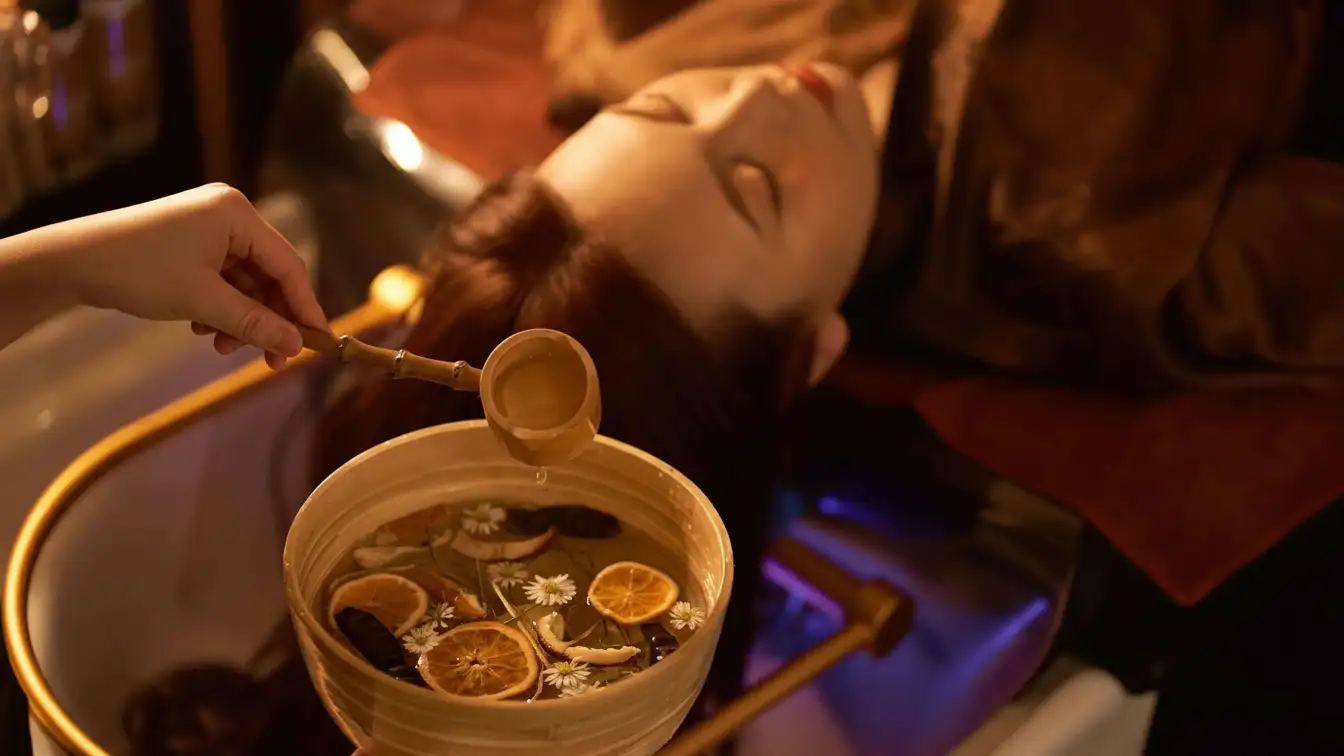
After long days of navigating the bustling streets, bargaining in vibrant markets, and exploring ancient temples, Vietnam offers the perfect antidote: world-class, affordable relaxation. The country’s spa and massage culture is a cornerstone of the travel experience, ranging from quick, budget-friendly street-side massages to lavish, full-service wellness retreats.
Embracing this tradition is key to a truly healing holiday. This guide breaks down the different levels of Vietnamese massage, offers tips on pricing, and clarifies the essential, often-confusing aspect of tipping etiquette.
1. The Spectrum of Relaxation: Budget vs. Luxury
The Vietnamese massage scene is broadly divided into two tiers, offering very different experiences at vastly different price points.
A. Budget-Friendly & Street-Side Massages (The Quick Fix)
The Experience: These are typically found in small, no-frills shops or even sometimes on small chairs near busy street corners. They often specialize in quick foot or shoulder massages, perfect for a break after intense sightseeing.
Pricing: Expect to pay between VND 80,000 to VND 150,000 ($3 – $6 USD) for a 30-minute foot or neck massage. This is the ultimate “value for money” self-care.
Focus: Speed and functional relief. Don’t expect privacy, robes, or aromatherapy—this is pure, practical therapy.
Where to Find Them: Look for signs saying “Massage” or “Foot Massage” near tourist areas in Hanoi’s Old Quarter or Ho Chi Minh City’s District 1.
B. Mid-Range to Luxury Spas (The Total Retreat)
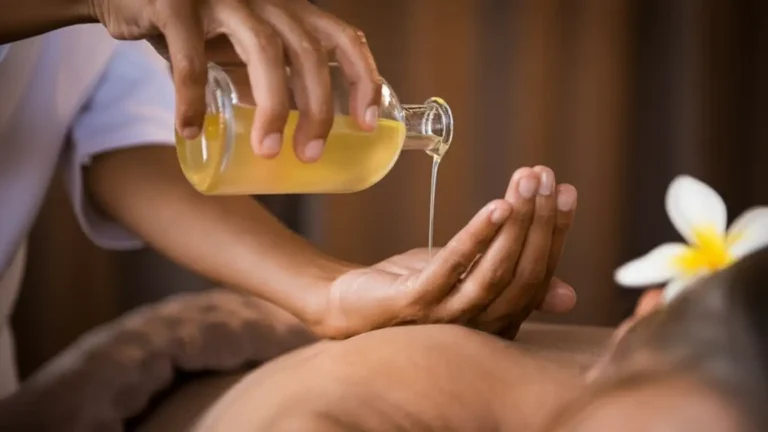
The Experience: Found in boutique hotels, standalone wellness centers, and high-end resorts. These establishments offer tranquil environments, private treatment rooms, aromatherapy, and often include access to steam rooms, saunas, and complimentary tea.
Pricing: Full body treatments (60–90 minutes) range from VND 400,000 to VND 1,500,000 ($16 – $60 USD), depending on the location and luxury level. Even at the top end, this remains cheaper than most standard spas in Western countries.
Focus: Deep relaxation, high-quality service, privacy, and specialized treatments like traditional Vietnamese deep tissue, hot stone massage, or facials.
2. Understanding the Vietnamese Massage Style
Vietnamese massage is distinct from Thai or Swedish styles. It typically blends elements of deep tissue work with acupressure and stretching, often incorporating techniques borrowed from China.
Key Characteristics:
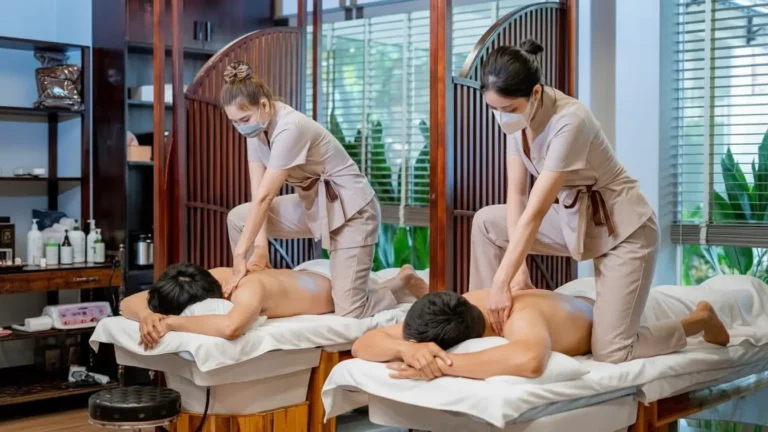
Targeted Pressure: Therapists use their hands, elbows, and knees to apply strong, targeted pressure to release tension in muscle knots.
Stretching: Expect gentle stretching of limbs and joints, especially in traditional full-body treatments, to improve circulation and flexibility.
Focus on Feet: Given the amount of walking involved in sightseeing, foot massages are a specialty and an absolute must-try.
3. The Tipping Dilemma: Clarifying the Etiquette
Tipping culture in Vietnam is not mandatory, but it is widely appreciated across many service industries. While you won’t be obligated to leave a tip, doing so is often seen as a thoughtful gesture that shows your satisfaction and respect for good service.
- Regarding price: You are free to tip any amount you feel comfortable with, depending on how pleased you are with the service or the effort of the person assisting you. Even a small tip can go a long way and is usually received with genuine gratitude, making it a simple yet meaningful way to leave a positive impression during your travels in Vietnam.
General Rule: Tipping is not automatically included in the price, and therapists often rely on tips as a substantial part of their income.
- How to Tip: Hand the tip directly to the therapist in cash (VND) after the treatment, usually in the privacy of the treatment room or upon checking out. Avoid leaving it unattended.
4. Booking and Preparation Tips
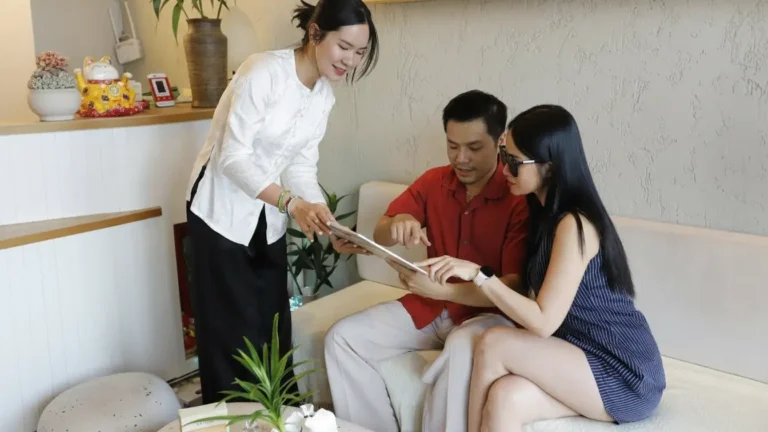
Booking is Essential (Especially for High-End): If you plan to visit a high-end spa, especially during peak travel season or on weekends, book at least a day in advance, either online or via your hotel concierge.
Be Specific About Pressure: If the massage is too soft or too hard, don’t hesitate to communicate this immediately. Phrases like “nhẹ hơn” (softer) or “mạnh hơn” (harder) are useful, but showing them with your hands is often more effective.
Check Reviews: Use apps like Google Maps or TripAdvisor to check recent reviews. A reputable spa will have consistent positive feedback regarding hygiene and therapist skill.
Hydrate: A good massage releases toxins. Be sure to drink plenty of water or the complimentary tea provided before and after your treatment to maximize the healing effect.
A massage or spa treatment offers not just physical relief but a quiet window into Vietnamese service and hospitality. By incorporating this into your travel rhythm, you ensure your body keeps up with your adventurous spirit.