
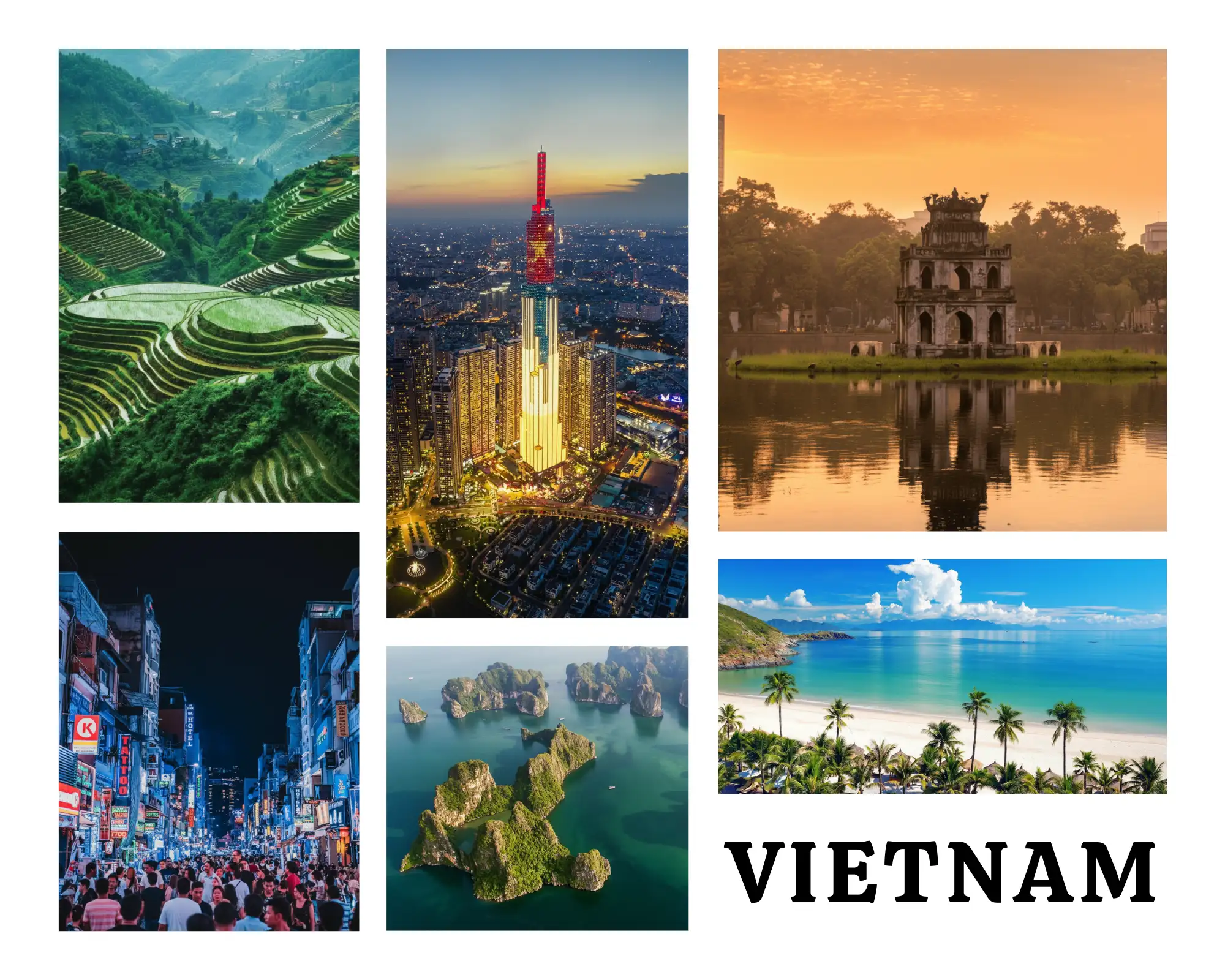
Vietnam, a land celebrated for its incredible resilience, mouth-watering cuisine, and stunning landscapes, presents a delightful dilemma for travelers: which region to explore? Stretching over 1,600 kilometers (nearly 1,000 miles), the country is neatly divided into three distinct zones—the North, the Central, and the South—each offering a unique cultural tapestry, climate, and array of attractions.
To truly decide where to spend your valuable vacation time, let’s dive deep into the distinct character of Vietnam’s three main travel hubs.
1. The North: The Cradle of Culture and Majestic Wilderness
The North is often considered the historical and cultural heart of Vietnam. It is a region of ancient traditions, dramatic natural wonders, and the nation’s political capital.
Hanoi & The Essence of the Capital
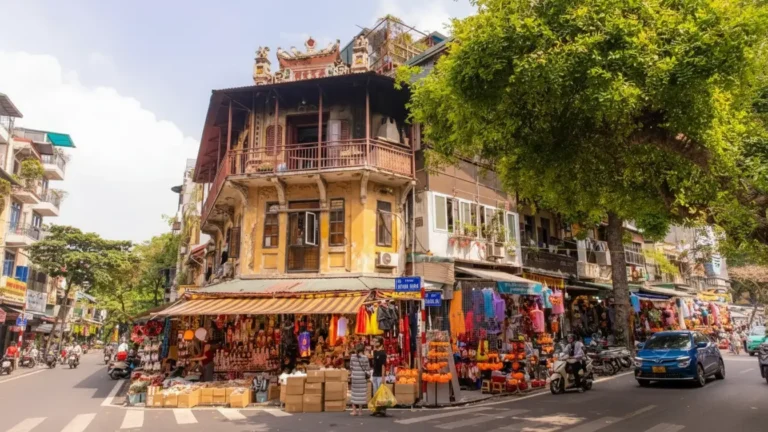
Hanoi, the bustling yet charming capital, is a city where history is palpable on every street corner. With over a thousand years of history, the Old Quarter is a must-see. Here, the ’36 Streets’ system, named after the traditional crafts sold in each lane, offers an immersive, chaotic, and beautiful experience. You’ll find yourself navigating a symphony of motorbikes, street vendors, and ancient architecture. Beyond the bustle, serene attractions like Hoan Kiem Lake and the Temple of Literature provide peaceful retreats and insights into Vietnamese scholarly traditions.
Beyond the Capital: Grand Natural Wonders
The North is also home to some of the world’s most spectacular scenery:
Ha Long Bay: A UNESCO World Heritage Site that needs little introduction. Picture thousands of towering limestone karsts and islets covered in lush greenery, emerging from the turquoise waters. Taking a multi-day cruise here allows you to kayak, explore hidden caves, and witness sunrises that feel truly otherworldly.
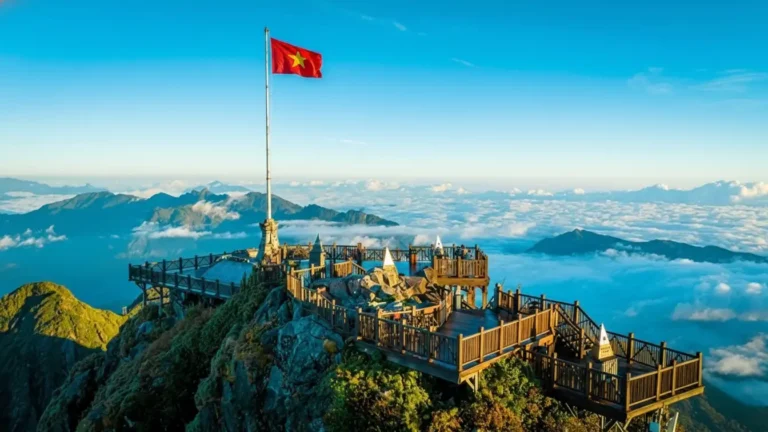
Sapa & The Northern Mountains: For adventurers, the rugged northwestern mountains around Sapa are the gateway to authentic cultural encounters. Sapa trekking offers breathtaking views of endless terraced rice fields and opportunities to meet and stay with ethnic minority groups like the H’mong and Dao. This region provides a stark and beautiful contrast to the urbanity of Hanoi.
The Northern Traveler Profile: You should choose the North if you are a history enthusiast, a culture seeker who enjoys exploring ancient cities on foot, or an adventure traveler drawn to mountain trekking and dramatic natural landscapes.
2. The Central Region: The Golden Triangle of Relaxation, Royalty, and Lanterns
The Central region acts as a perfect geographical and experiential bridge, blending resort-style relaxation with profound cultural monuments. The area is easily navigated, often referred to as the “Golden Triangle” for its three key destinations.
Da Nang: The Modern Beach Hub
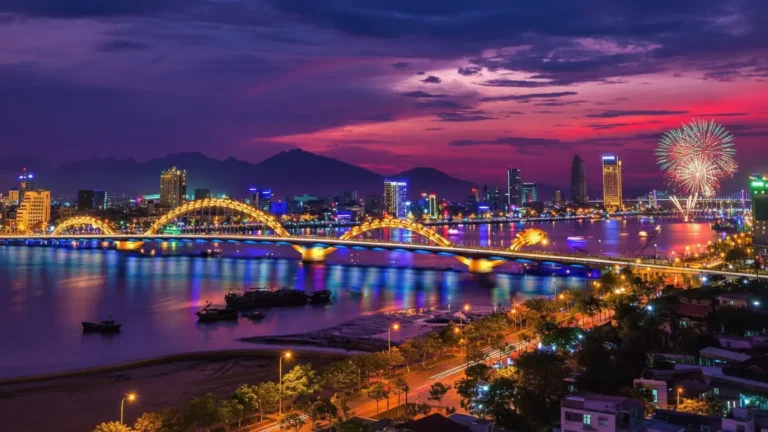
Da Nang is the region’s modern economic powerhouse and a major coastal destination. Famous for its long stretches of beautiful coastline, including the world-renowned My Khe Beach, it offers pristine sands and clear waters ideal for swimming and sunbathing. Da Nang is easily accessible and provides a sleek, modern base with high-end hotels and excellent infrastructure. The nearby Marble Mountains also offer fascinating cave temples and panoramic views.
Hoi An: Time Capsule Charm
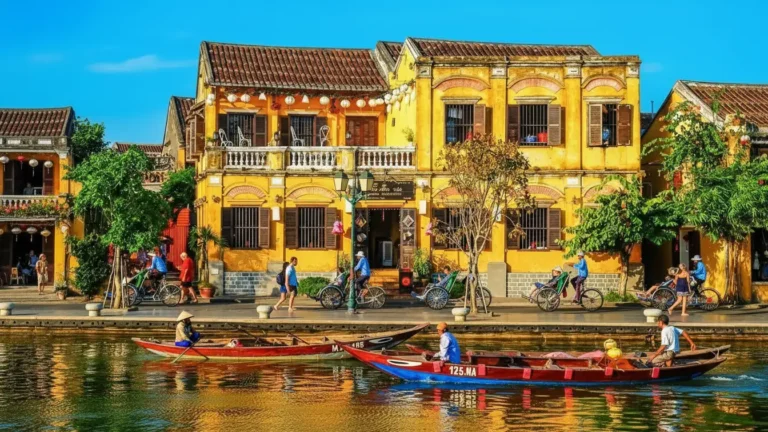
Just south of Da Nang lies Hoi An, arguably Vietnam’s most picturesque town. This UNESCO-recognized Old Town is an exceptionally well-preserved trading port dating from the 15th to 19th centuries. The signature attraction is the countless colorful silk lanterns that illuminate the streets every evening, creating a magical atmosphere. Hoi An is a relaxed haven where motorbikes are restricted, encouraging you to cycle through rice paddies or learn to cook traditional Vietnamese dishes. Don’t forget to visit a tailor—Hoi An is famous for its affordable, high-quality custom clothing.
Hue: Imperial Grandeur
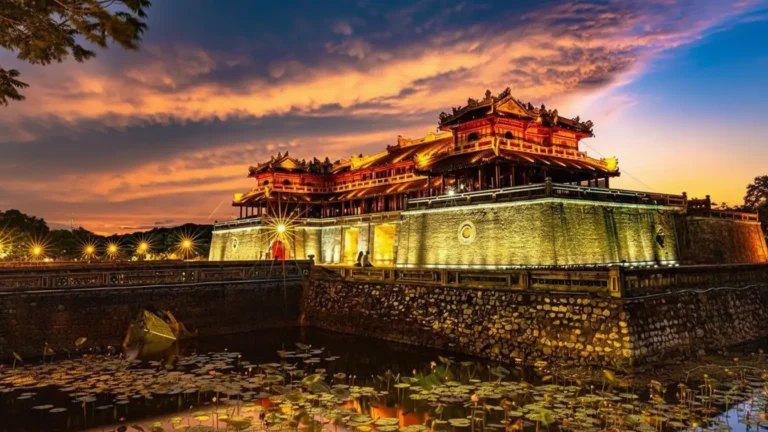
Traveling north from Da Nang, you reach Hue, the former capital of the Nguyen Dynasty (1802–1945). This city is the epicenter of Vietnamese historical royalty. The immense Imperial Citadel, a walled fortress and palace complex, offers a sobering yet fascinating look at the former court life. Beyond the Citadel, a boat trip on the Perfume River to explore the majestic royal tombs provides a glimpse into the lavish afterlives prepared for Vietnam’s emperors.
The Central Traveler Profile: This region is perfect for travelers seeking a balanced itinerary—someone who wants relaxing beach time, easily accessible world-class resorts, fascinating cultural immersion, and history without the intense pace of the North or the South.
3. The South: Economic Dynamo and Tropical Island Bliss
The South is characterized by its tropical climate, breakneck economic growth, and the welcoming allure of its island destinations.
Ho Chi Minh City (HCMC/Saigon): The Engine Room
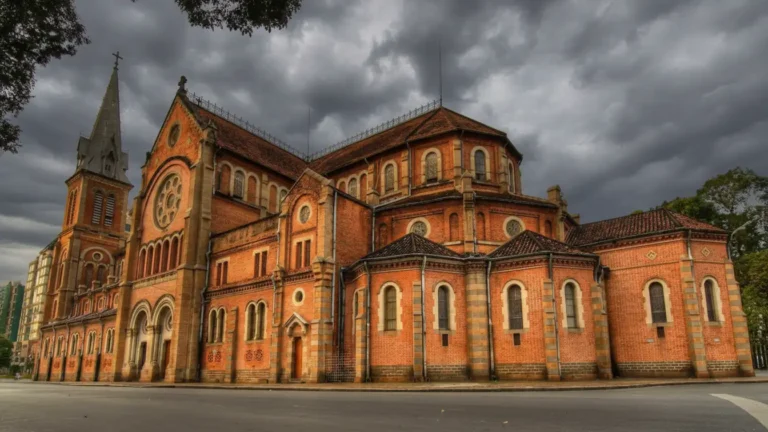
Ho Chi Minh City, still often referred to as Saigon, is the country’s dynamic commercial hub. It is a city defined by its incredible energy, a stark contrast to the historical grace of Hanoi. HCMC moves fast—it’s louder, more tropical, and exceptionally ambitious. Key sights include the impressive French colonial architecture, such as the Central Post Office and Notre Dame Cathedral, and historical sites like the Reunification Palace and the profound War Remnants Museum. For foodies, the street food scene is explosive and diverse.
The Mekong Delta: The Rice Bowl
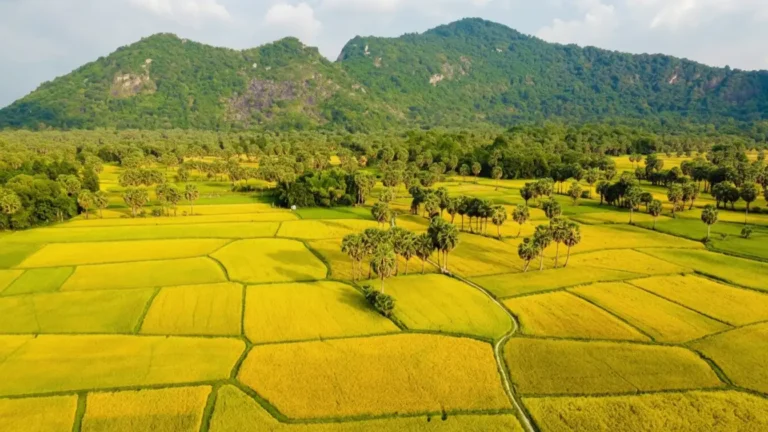
A crucial and popular excursion from HCMC is a trip into the Mekong Delta. Often called the “rice bowl” of Vietnam, this vast network of rivers, swamps, and islands is where life revolves around the water. Exploring the floating markets, visiting fruit orchards, and navigating the narrow canals by sampan boat offers an intimate look at the unique riverine lifestyle that sustains millions.
Phu Quoc Island: The Getaway
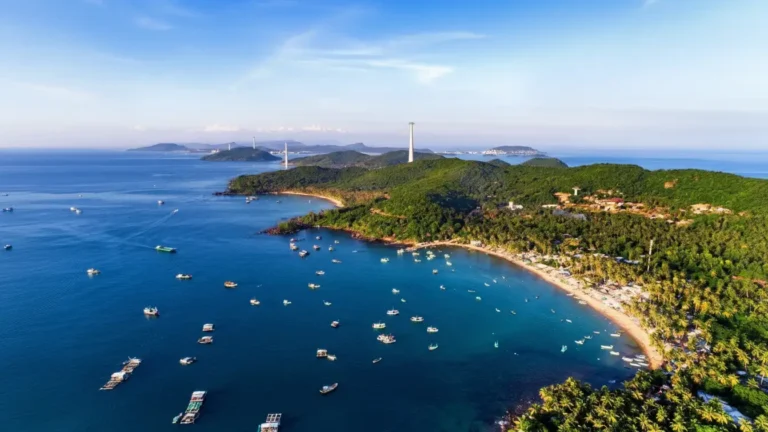
When the urban buzz becomes too much, the South offers the ultimate escape: Phu Quoc. This stunning island, located off the Cambodian coast, has emerged as Vietnam’s premier tropical resort destination. It boasts long, beautiful stretches of white-sand beaches, crystal-clear waters ideal for snorkeling and diving, and luxury resorts. It is the perfect place to wrap up a long trip with sun-drenched relaxation.
The Southern Traveler Profile: Choose the South if you thrive in dynamic, modern cities, want to experience the country’s economic engine, are primarily interested in beach and resort vacations, or want to explore the unique river life of the Mekong.
Final Verdict: Tailoring Your Trip
Vietnam truly caters to every type of traveler. By understanding the core identity of each region, you can confidently tailor your itinerary:
| Region | Primary Vibe | Key Attractions | Best For | Climate (Approx. Nov–Apr) |
|---|---|---|---|---|
| North | History, Culture, Majestic Nature | Ha Long Bay, Sapa, Hanoi Old Quarter | History buffs, Hikers, Culture Seekers | Cold/Dry Winters (Nov-Mar) |
| Central | Beach, Heritage, Relaxation | Hoi An, Da Nang Beaches, Hue Citadel | Families, Relaxation, Balanced Itineraries | Dry Season/Warm (Jan–Aug) |
| South | Urban Energy, Tropical Islands | Ho Chi Minh City, Mekong Delta, Phu Quoc | Foodies, Beach Lovers, Dynamic City Exploration | Dry Season/Hot (Dec–Apr) |
Whether you choose the misty mountains of Sapa, the lantern-lit streets of Hoi An, or the vibrant pulse of Ho Chi Minh City, Vietnam promises a journey rich in flavor, history, and incredible sights.