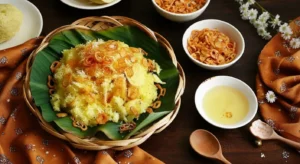
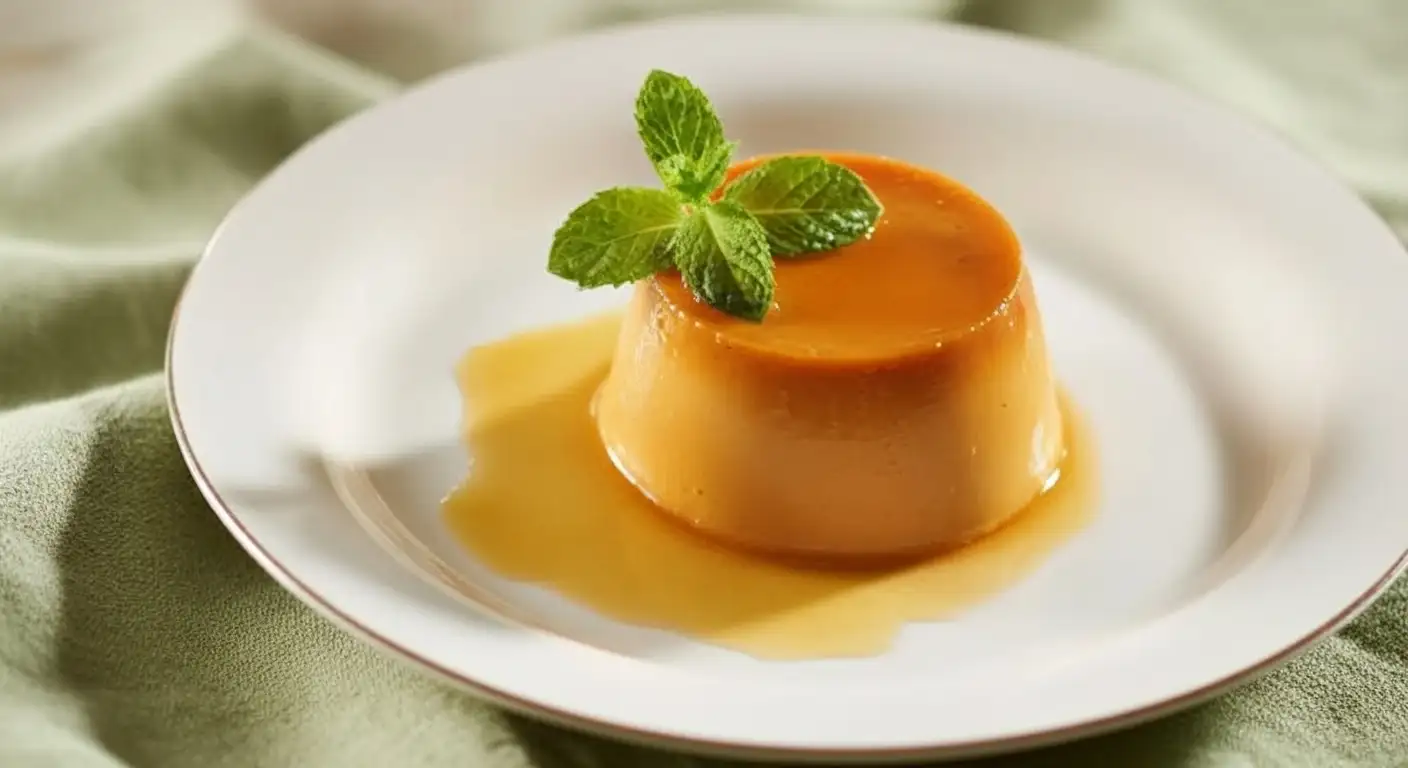
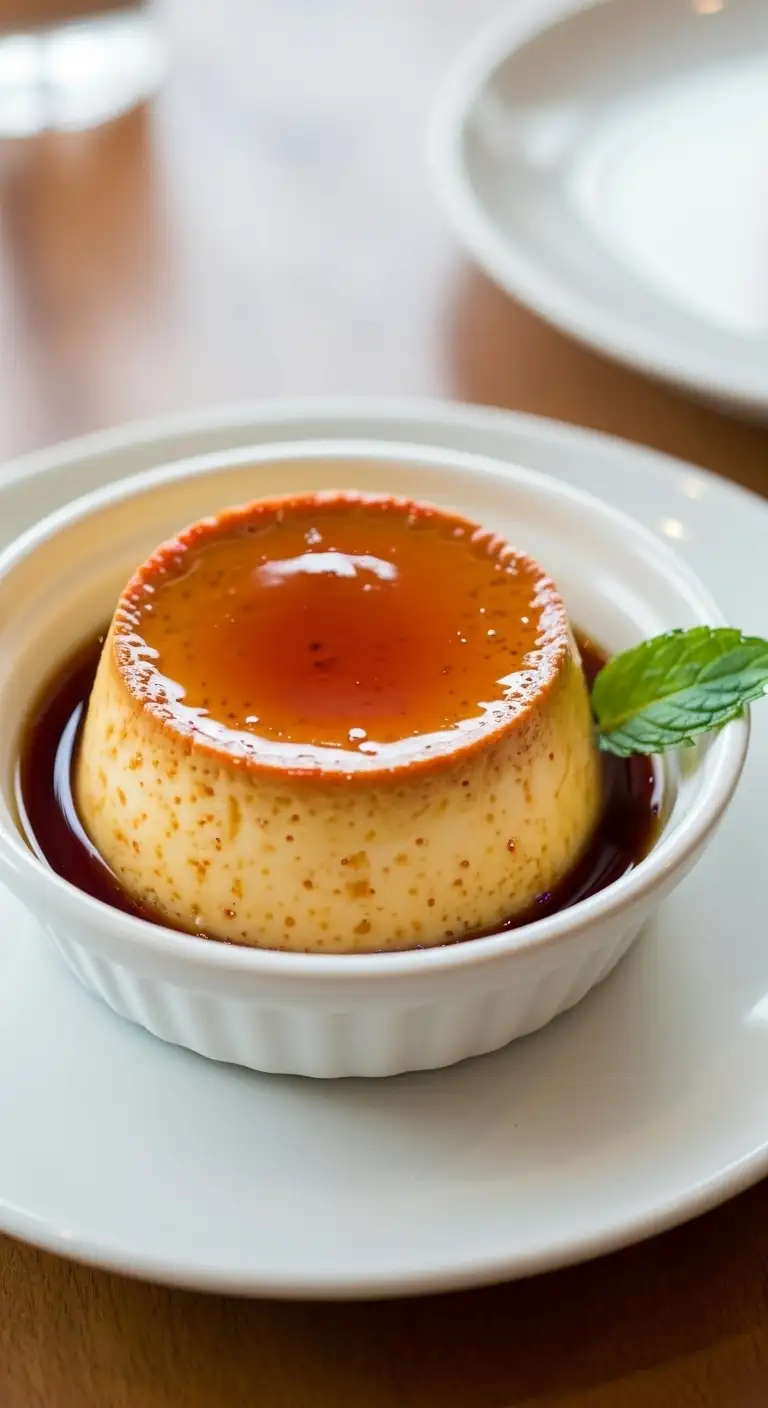
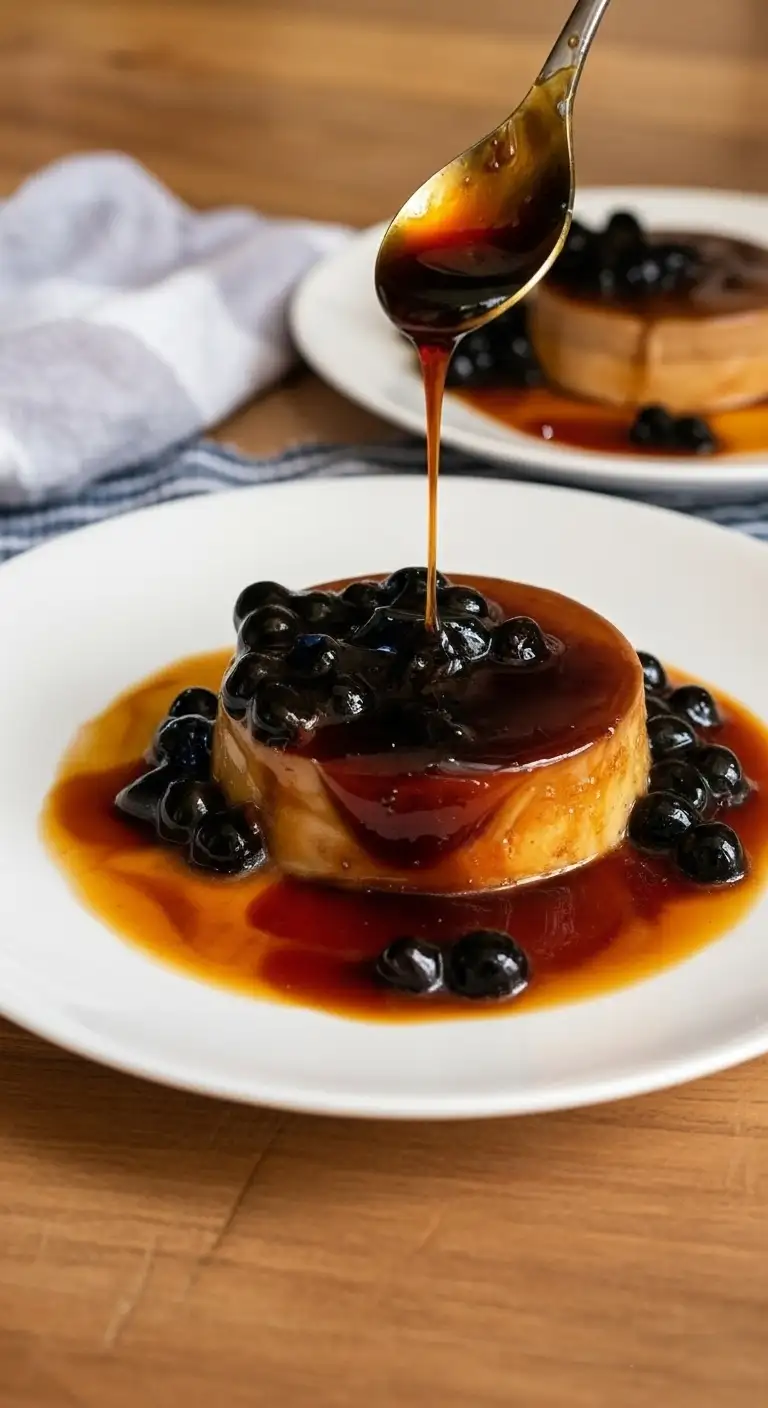
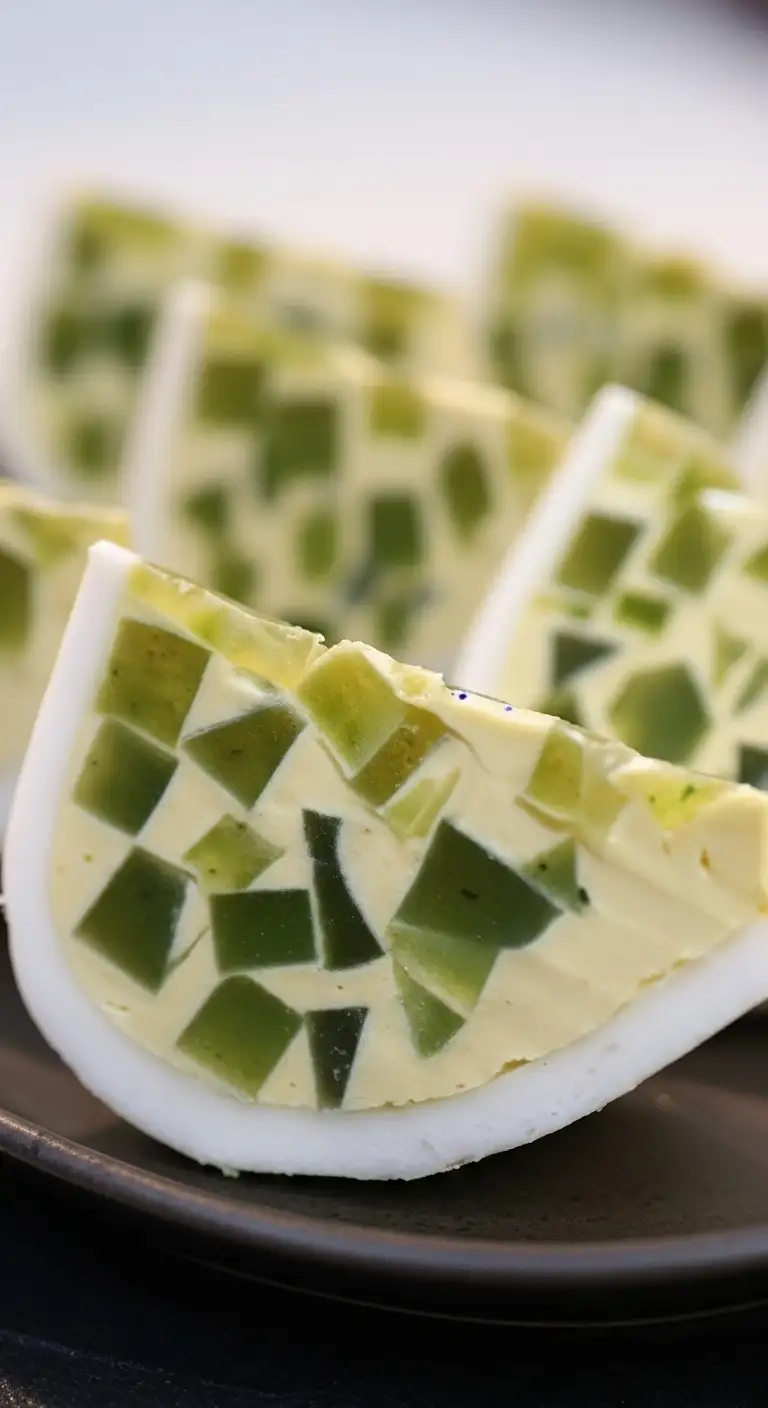
Bánh Flan (in the South) or Caramen (in the North) is the Vietnamese take on the classic French crème caramel or flan. Introduced during the French colonial era, this dessert has been fully adopted and adapted into Vietnamese cuisine, becoming a beloved, cool, and silky street food dessert enjoyed across the country.
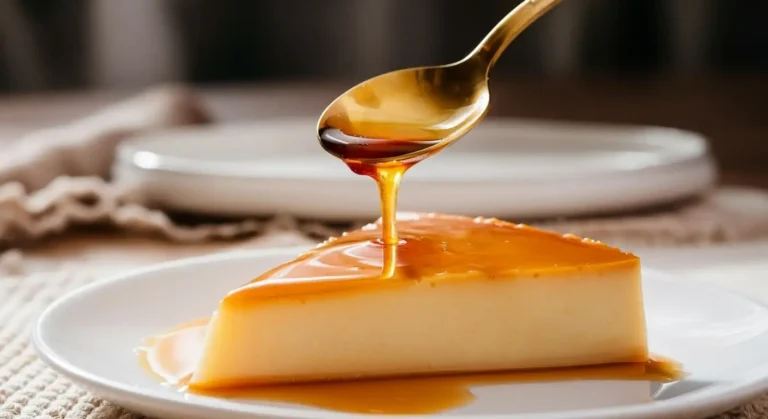
The Basics of Bánh Flan / Caramen
What is it?
It is a custard dessert consisting of a smooth, delicate, egg-based pudding topped with a thin layer of liquid caramel sauce.
In Vietnam, it is prized for its ultra-smooth, almost silken tofu-like texture, achieved through a precise steaming (rather than baking) process and the heavy use of sweetened condensed milk.
Key Ingredients:
The Custard: Eggs (often a mix of whole eggs and extra yolks), fresh milk (or evaporated milk), and a crucial ingredient that lends richness and sweetness: sweetened condensed milk (Sữa Đặc).
The Caramel: Simple caramelized sugar and water. Vietnamese caramel is often cooked to a darker, more amber color, which gives it a slightly bitter edge to perfectly balance the sweet custard.
Cooking Method: The traditional Vietnamese method often involves steaming the individual custard molds in a water bath, ensuring a gentle, even heat that results in a custard that is famously smooth and free of air bubbles or a porous texture.
Flavor Profile: Rich, creamy, and sweet from the custard, beautifully contrasted by the slightly sharp or bitter notes of the dark caramel topping.
Popular Types and Flavor Variations
While the classic egg and milk custard is the standard, Vietnamese flan has developed several popular variations, often incorporating other beloved local ingredients:
| Variation Name | Key Ingredient Added | Flavor & Appearance |
|---|---|---|
| Bánh Flan Cà Phê | Black Coffee (Espresso) | The caramel or the custard itself is infused with strong Vietnamese black coffee, creating a bold, bitter, and highly aromatic counterpoint to the sweet milk. This is extremely popular, especially in the South. |
| Bánh Flan Dừa | Coconut Cream/Milk | Coconut cream or coconut milk replaces some of the regular milk, adding a pronounced tropical aroma and a richer, denser texture to the custard. |
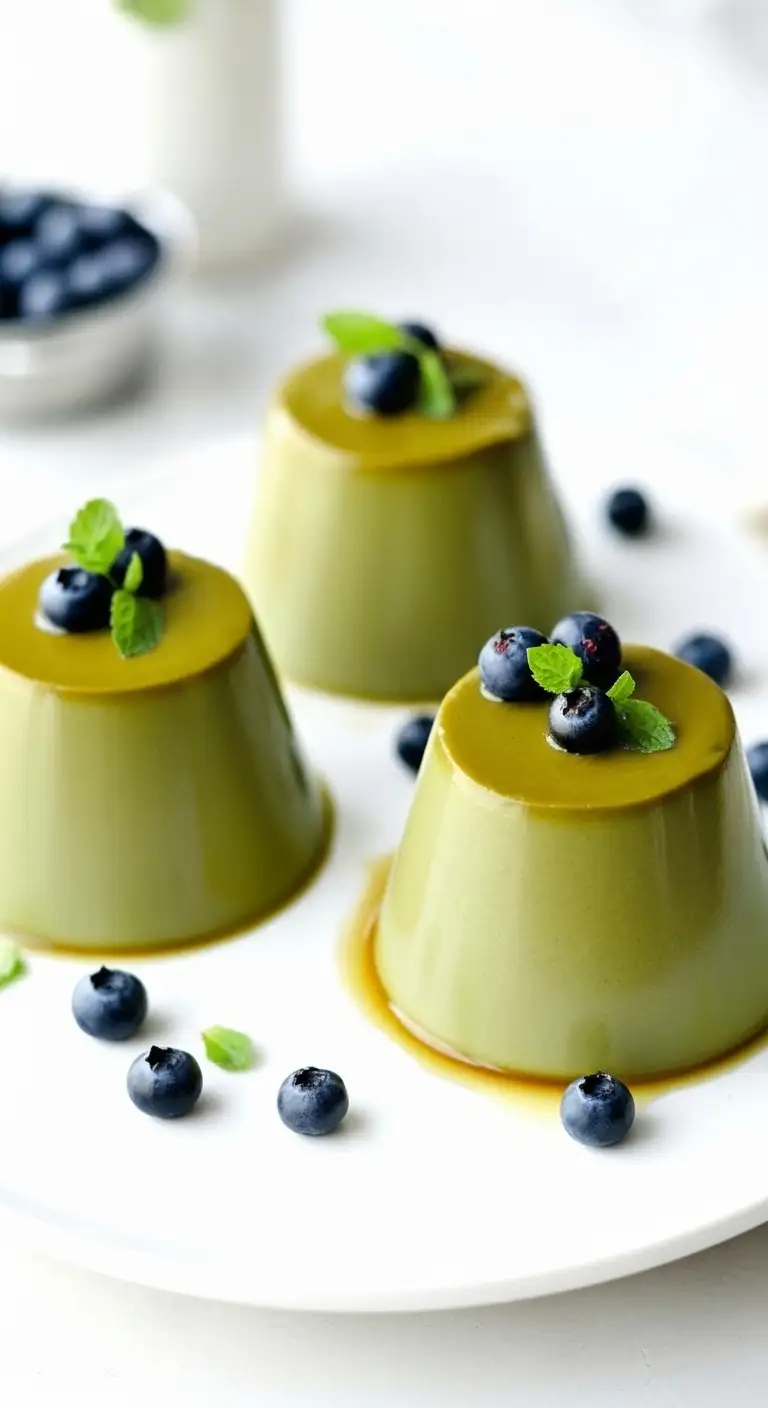
| Bánh Flan Trà Xanh | Green Tea / Matcha | Matcha or green tea powder is added to the custard mix, giving the flan a distinct green color and a slightly earthy, grassy flavor. |
| Bánh Flan Phô Mai | Cream Cheese | Cream cheese is mixed into the custard base, resulting in a denser, creamier texture and a mild, tangy flavor, similar to a light cheesecake. |
| Bánh Flan Bông Lan | Sponge Cake | A multi-layered dessert where the flan custard is baked (or steamed) on top of a light sponge cake base, making it a more substantial "cake." |
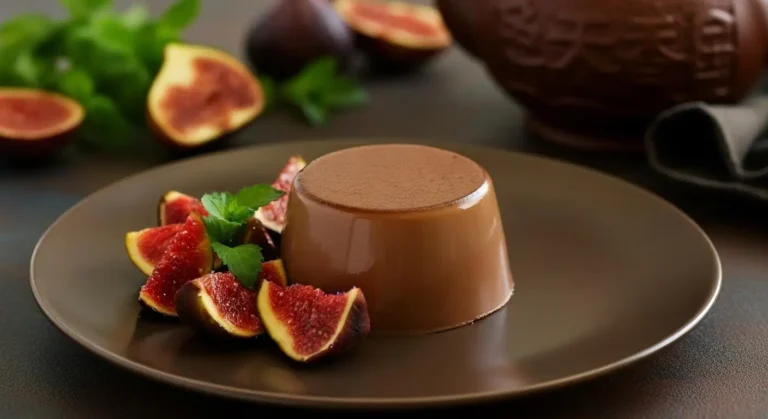
How to Enjoy Bánh Flan / Caramen
Served Cold and Iced: Bánh Flan is almost always served chilled, especially in the hot climate of Vietnam. Vendors will typically invert the flan onto a plate, letting the caramel pool around the custard, and then add a generous helping of crushed or shaved ice (đá) on top to make it an ultra-refreshing treat.
Toppings and Accompaniments:
Coffee Drizzle: The most common accompaniment, especially in Southern Vietnam, is a drizzle or a shot of strong, unsweetened black coffee (cà phê) poured directly over the flan and ice.
Yogurt (Sữa Chua): Sometimes, especially at dessert stalls (Quán Chè), the flan is served as part of a mixed dessert with other items like chè (sweet soups), tapioca pearls, or a dollop of creamy yogurt.
A Street Dessert: You will find Bánh Flan at specialty dessert shops, general street food stalls, and open-air cafés, where it is often enjoyed as a standalone afternoon snack or a sweet finish to a meal.
Regional Differences: Name, Style, and Sweetness
The difference in name is the most noticeable variation, but the dessert also subtly changes from North to South, reflecting the general culinary tastes of each region.
| Region | Local Name(s) | Key Differences in Style |
|---|---|---|
| The South (Ho Chi Minh City, Mekong Delta) | Bánh Flan or Kem Flan | More Exotic/Aromatic. This region is more generous with coconut milk and has a palate that favors sweetness. The flan is most frequently served with a shot of strong black coffee poured over the top and crushed ice, creating a bold, dual-flavored dessert. |
| The North (Hanoi) | Caramen or Kem Caramen | Lighter and Simpler. Northerners tend to prefer a more subtle, balanced flavor profile. The Northern version is generally lighter and sweeter than its Southern counterpart and is more likely to be served simply over ice, often without the addition of coffee. |
| The Central (Hue, Da Nang) | Bánh Flan or Kem Flan | Transitional/Balanced. The cuisine here is a mix of both North and South. The Bánh Flan is available and popular, though the dessert scene in Central Vietnam is heavily influenced by the tradition of rich, royal-inspired sweets and soups (chè), meaning flan often incorporates other fruit and jelly toppings. |